
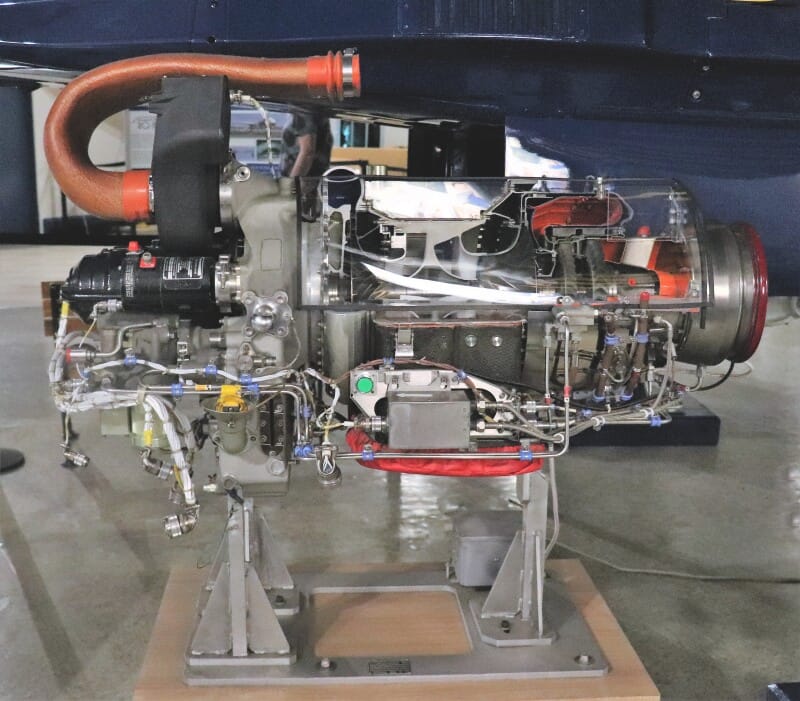
You step onto a parked airliner and everything just works. The cabin lights are on, the air is cool, screens are glowing — and yet the two great engines on the wings are stone-cold silent. Somewhere behind you, a faint high-pitched whine is the only clue to what is actually keeping the aircraft alive. It is a third jet engine, one you almost never see, tucked right in the tip of the tail.
It is called the Auxiliary Power Unit, and it is one of the unsung heroes of modern flight.
Quick Facts
- What: the Auxiliary Power Unit (APU) — a small gas-turbine engine, usually in the tailcone
- On the ground: it supplies electricity and air conditioning while the main engines are off
- Its key job: providing the high-pressure air that spins up (“cranks”) the main engines for starting
- Runs on: the same jet fuel as the engines, drawn from the aircraft’s tanks
- In the air: it acts as backup electrical power and can help restart an engine if needed
A Jet Engine for the Jet Engines
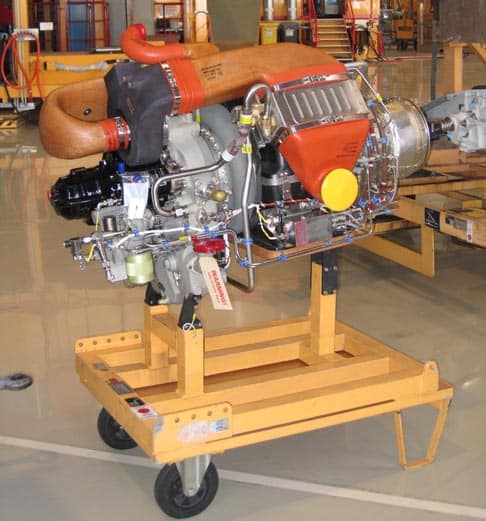
The APU is a small gas-turbine engine — essentially a miniature jet — usually housed in the very back of the fuselage, behind a small exhaust opening at the tailcone. Unlike the main engines, it isn’t there to produce thrust. Started by the aircraft’s battery and burning the same jet fuel from the wing tanks, it spins up a generator to make electricity and a compressor to make pressurised air.
What It Actually Does
On the ground, the APU makes the aircraft self-sufficient. It runs the lights, the avionics and the air conditioning at the gate without the plane having to be plugged into ground power carts. But its single most important trick comes at start-up: those huge main engines cannot spin themselves up to ignition speed on their own. The APU supplies the blast of high-pressure air that turns the engine cores until they are spinning fast enough to light. Without an APU (or a ground air-start cart standing in for it), a big jet simply cannot start its engines.
And in the Air
Once the main engines are running and generating their own power, the APU has done its job and is usually switched off to save fuel. But it is far from forgotten. It is a critical backup: if a main generator fails in flight, the APU can take over the electrical load, and on long over-water flights it is part of the safety case that lets a twin-engine jet keep flying — ready to restart an engine and keep the cabin powered if something goes wrong.
So next time you board and hear that whine from the back, give a small nod to the little engine doing all the work while the big ones rest.
Sources: aircraft manufacturer and operator technical material; aviation engineering references.
Related Questions
What is an APU on an aircraft?
An APU, or auxiliary power unit, is a small gas-turbine engine usually housed in the tailcone of an aircraft. It is effectively a jet engine for the jet engines: it supplies electrical power and air without needing the main engines running, making the aircraft self-sufficient on the ground.
What does an aircraft APU do?
On the ground the APU provides electricity and air conditioning while the main engines are off, and crucially it supplies the high-pressure air that spins up — or cranks — the main engines for starting. In flight it serves as backup electrical power and can help restart an engine if needed.
Where is the APU located on a plane?
On most airliners the APU sits in the tailcone, at the very rear of the fuselage, which is why many jets have a small exhaust outlet at the tail. Placing it there keeps it clear of the cabin and main engines while feeding power throughout the aircraft.
What fuel does an APU use?
The APU runs on the same jet fuel as the main engines, drawn from the aircraft's own tanks. This means crews don't need a separate fuel supply, and the unit can operate whenever there is fuel aboard, on the ground or in the air.
How does a jet engine get started?
A jet engine needs something to spin its compressor before it can run. The APU provides the high-pressure bleed air that cranks the main engines up to starting speed. The same logic of redundancy matters when things go wrong — see what happens when a jet engine fails.
Does the APU work during flight?
Yes. Although its main job is on the ground, the APU can run in flight as a backup source of electrical power and bleed air. If a main engine fails or generators are lost, the APU can supply power and help restart an engine, adding an important layer of safety.
Why do all modern airliners carry an APU?
Nearly every modern airliner uses an APU because it makes the aircraft independent of ground equipment: it powers cabin systems at the gate, starts the engines, and provides emergency backup aloft. That versatility is why the tailcone turbine has become standard across the industry.


0 Comments