
Ask anyone to name a First World War fighter ace and you’ll hear the same handful of names: the Red Baron, perhaps Billy Bishop, maybe Albert Ball. You will almost never hear the name of the deadliest pilot the Southern Hemisphere ever produced — a Melbourne boy who shot down forty-seven aircraft before his twenty-third birthday and was dead before the war he dominated had ended.
His name was Robert Little, and he is, by the official count, the greatest fighter ace Australia has ever produced. Hardly anyone has heard of him. That is worth fixing.
QUICK FACTS
Pilot: Captain Robert Alexander Little, DSO & Bar, DSC & Bar
Born: Melbourne, 1895
Service: Royal Naval Air Service
Victories: 47 — Australia’s highest-scoring ace
Aircraft: Sopwith Pup (4), Triplane (24), Camel (19)
Killed: Night of 27 May 1918, aged 22
He paid his own way into the war
Little wanted to fly, and in 1914 there was no easy path for an Australian to do it. So he simply went. He sailed to England, paid for his own flying lessons out of his own pocket, earned his certificate, and presented himself to the Royal Naval Air Service. It is hard to overstate how unusual that was — a young man buying his way to the front line of a brand-new kind of warfare because no one would send him.
By June 1916 he was in France. Before long he was the terror of his squadron — not a stylist, not a showman, but a relentless, aggressive hunter who closed to point-blank range and rarely missed.
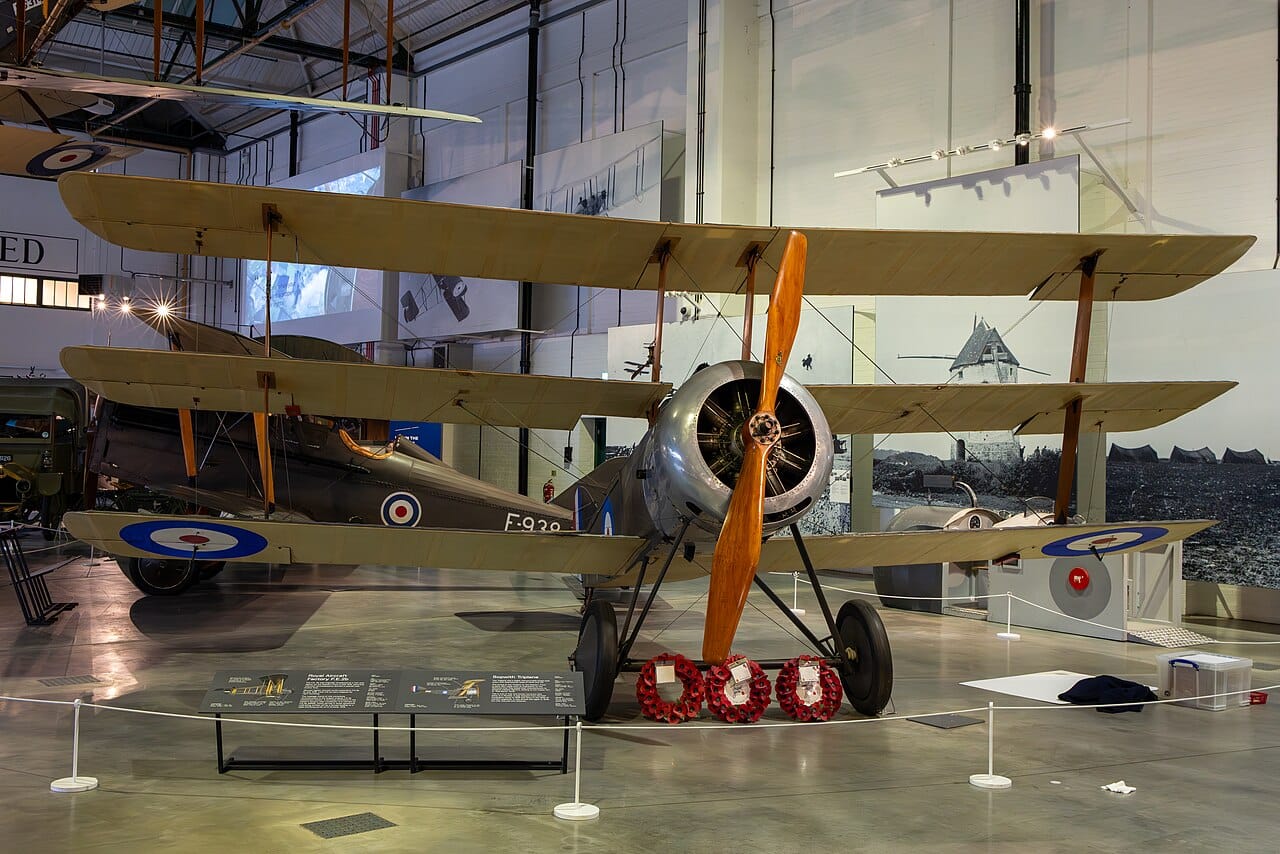
The Sopwith Triplane in the video above is an airworthy survivor of the type that made Little famous — three wings, astonishing climb, and a turn that left German pilots bewildered.
“Blymp” and the triplane summer
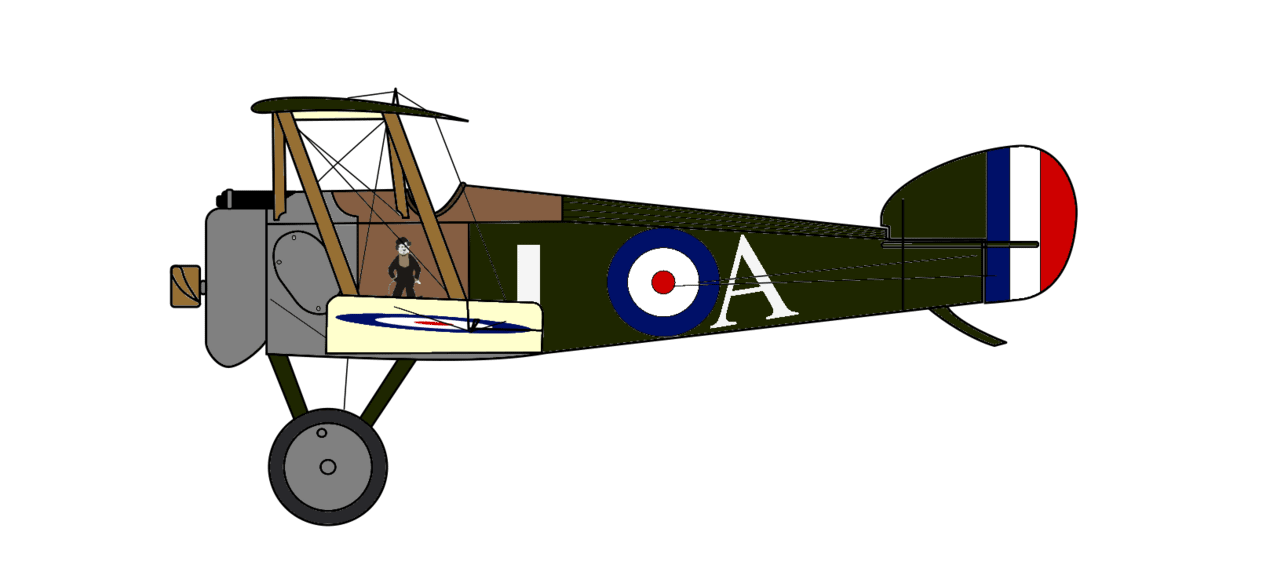
When his squadron converted to the Sopwith Triplane in 1917, Little began to score in bursts. He claimed twenty-four victories in the type — most of them in a single aircraft, serial N5493, which he affectionately christened “Blymp.” He twice scored two kills in a day. The Triplane’s extraordinary rate of climb suited his style perfectly: get above, dive, strike, climb away.

When the Triplane gave way to the Sopwith Camel — the war’s most famous and most lethal British fighter, in equal measure — Little simply carried on, adding nineteen more. He flew with a ferocity that bordered on the reckless, and the victories kept mounting: forty-seven in all, a total that placed him at the very top of the Australian list and among the finest aces of any nation.
A night, a searchlight, and a Gotha
On the night of 27 May 1918, German Gotha bombers droned over France, and Little went up alone to find one in the dark — a genuinely dangerous business in an era before reliable night fighting. He was caught by enemy fire, wounded, and brought his aircraft down. He died of his wounds before help reached him. He was twenty-two years old.
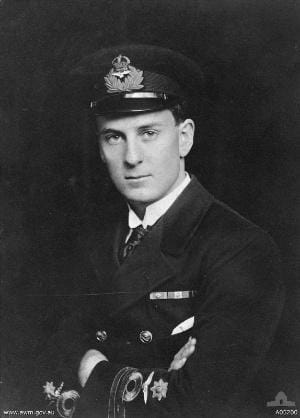
Little is a reminder that the air war of 1914–18 was not won only by the famous names painted onto the side of history. It was fought, and often won, by young men who paid their own way into the sky, flew themselves to exhaustion, and vanished before the world had time to learn who they were. Forty-seven victories. Twenty-two years. It deserves to be remembered.
Sources: Vintage Aviation News; The Western Front Association; Australian War Memorial; History of War; Wikipedia
Related Questions
Who was Australia's greatest fighter ace?
Captain Robert Alexander Little was Australia's highest-scoring fighter ace, credited with 47 aerial victories in World War I. Flying with Britain's Royal Naval Air Service, he became one of the deadliest pilots of the war before being killed in action in 1918 at just 22.
How many kills did Robert Little have?
Robert Little was credited with 47 victories, making him Australia's top-scoring ace of World War I. He scored them flying three Sopwith types: 4 in the Pup, 24 in the Triplane and 19 in the Camel.
What aircraft did Robert Little fly?
He flew Sopwith fighters with the Royal Naval Air Service — claiming 4 victories in the Sopwith Pup, 24 in the Sopwith Triplane and 19 in the Sopwith Camel, for a total of 47.
How did Robert Little become a pilot?
With no easy path for an Australian to fly in 1914, Little sailed to England and paid for his own flying lessons out of his own pocket, then joined the Royal Naval Air Service. His determination launched one of WWI's most successful combat careers.
How did Robert Little die?
He was killed on the night of 27 May 1918, aged 22, during a night interception over the Western Front — Australia's greatest ace lost after fewer than four years of flying that began with lessons he paid for himself.
Related Posts
The Falcon of Malta: 27 Kills in Two Weeks
Ilmari Juutilainen: Finland’s 94-Victory Ace Who Was Never Shot Down
0 Comments