
Just after midnight on 18 June 2026, residents of Moscow filmed something the Russian capital was not built to see: black smoke boiling over the Kapotnya district, where the Moscow Oil Refinery sits. It was the second strike on that single plant in a week. Ukrainian President Volodymyr Zelensky called it, in a public post, a “long-range sanction.” Russian air defenses claimed to have shot down roughly 180 drones over the city — and yet the refinery still burned.
That tension — huge numbers of interceptions claimed, but targets hit anyway — is the story of Ukraine’s deep-strike campaign in 2026. Over the past year Kyiv has gone from occasional, symbolic pinpricks to a sustained industrial bombardment of refineries, oil terminals, airfields and weapons plants more than a thousand kilometres inside Russia. And Moscow’s vaunted, layered air-defense network is increasingly failing to stop it.
None of the numbers below are settled fact. Strike claims come from Ukraine’s intelligence services; downing claims come from the Russian Defense Ministry; and analysts and satellite imagery sit somewhere in between. But the broad picture — that Ukraine’s drones are getting through more often — is one that Western analysts, Ukrainian officials and Russian war bloggers all now broadly agree on. Here is why.
Quick Facts
- Workhorse drone: the An-196 “Liutyi” (Ukrainian for “fierce”), a prop-driven one-way attack drone with a declared range up to ~2,000 km
- Reach claimed: Ukraine’s GUR military intelligence says some systems can now fly up to ~3,500 km, putting parts of Siberia in range
- Scale: Ukraine’s defence ministry reported mid-strike drone output up ~312% in early 2026 vs all of 2025
- Refinery impact: Reuters estimated strikes had cut Russian refining capacity by roughly 17% (~1.1m barrels/day) in spring 2026; figures are disputed
- Defenders strained: CBS News reported Russia is burning through interceptor missiles at a possibly “unsustainable” rate
1. The Drone Is Cheaper Than the Missile That Stops It
The most important reason is arithmetic. A long-range Ukrainian strike drone in the FP-1 family reportedly costs around $55,000; the Liutyi runs closer to $200,000. A modern Russian interceptor — a Tor or Pantsir missile, never mind an S-400 round — can cost many times that. When a defender spends a million-dollar missile to down a cheap drone, the defender loses even when it “wins.”
Multiply that across hundreds of drones per night and the math becomes brutal. CBS News, citing Western officials, reported in 2026 that Ukraine can build deep-strike drones faster than Russia can manufacture air-defense missiles — depleting Russian stocks at what one assessment called a possibly “unsustainable rate.” Ukraine’s own defence ministry claimed mid-strike drone production jumped roughly 312% in the first four months of 2026 compared with all of 2025.
Lippert’s point cuts both ways: the slow, low-flying drones should be easy targets — which is exactly why their growing success embarrasses Moscow. The problem is that Russia’s air-defense arsenal was optimised for a different war.
2. Russia’s Air Defenses Were Built for the Wrong Threat
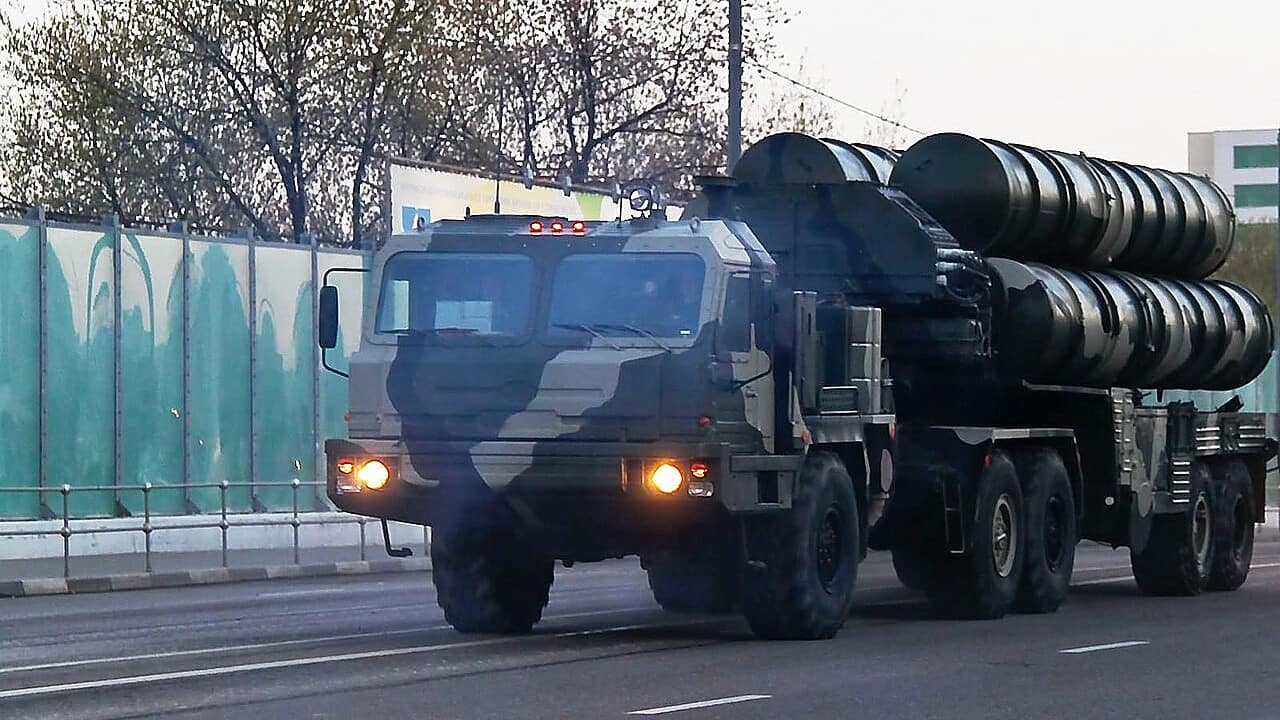
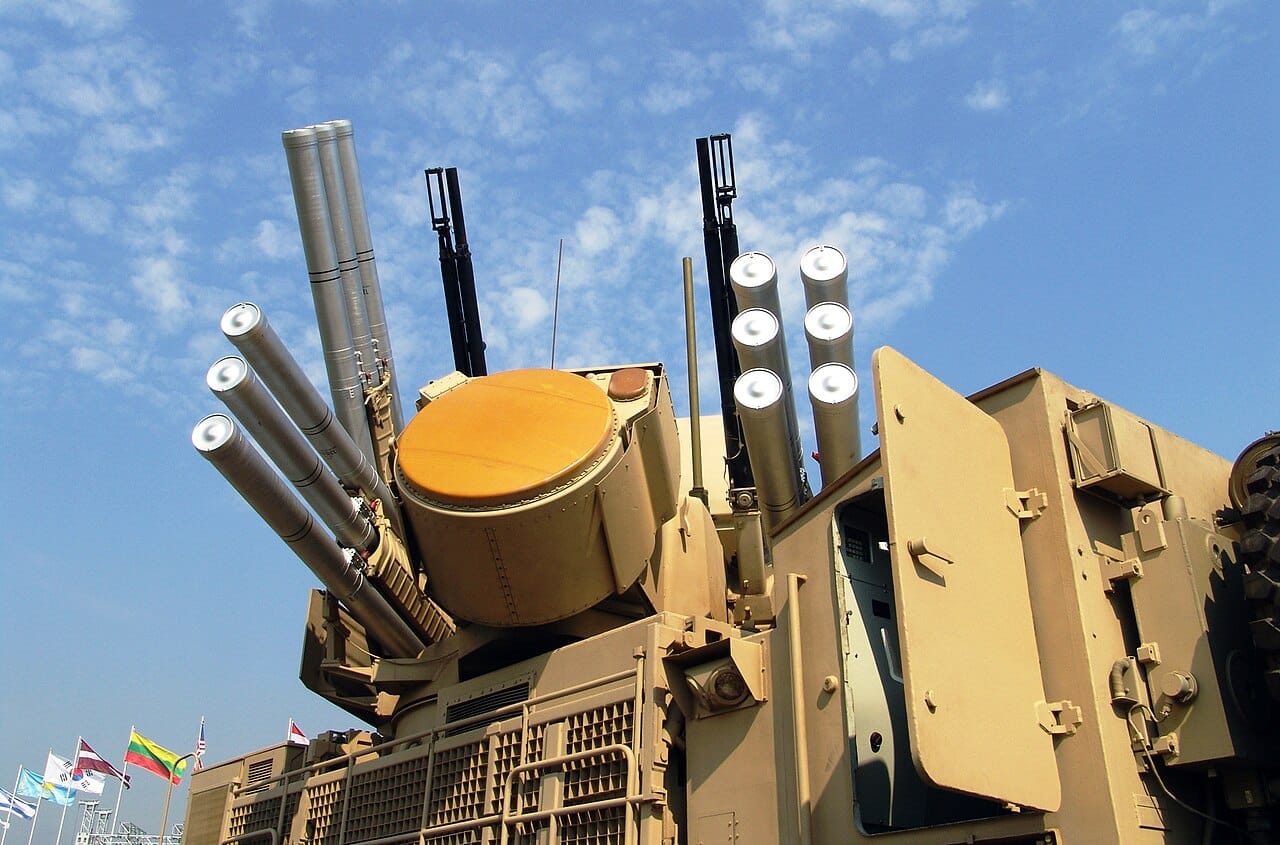
Russia’s flagship systems — the S-300, S-400 and the newer S-500 — were designed to kill fast, high-flying targets: jets, ballistic missiles, cruise missiles. A propeller drone crawling along at 150–200 km/h, fifty metres above the treetops, sits in an awkward seam between those systems and short-range guns.
Speaking to CNN in June 2026, analysts were blunt. Russia’s air defenses, one said, are “simply not fit for purpose” against this kind of attack — “not equipped to detect, track and engage” swarms of small, slow drones. CNN noted that Western sanctions have also hampered Moscow’s ability to source the electronics needed to build new systems tuned to the drone threat.
The Washington-based think tank Institute for the Study of War (ISW), in its daily assessments through spring 2026, has repeatedly tracked Ukrainian strikes degrading Russian air-defense and early-warning assets — part of a deliberate Ukrainian effort to blind the very network meant to stop the drones.
Ukrainian officials have leaned into the messaging. After the June refinery strikes, Zelensky posted directly about the campaign:
3. Russia Is Simply Too Big to Defend
Russia’s sheer size has always been its shield. Ukraine is trying to turn it into a liability. As Peter Dickinson of the Atlantic Council put it, Kyiv’s bombing campaign aims to “exploit Russia’s immensity and transform it from a key strength into a weakness.” There are simply not enough high-end launchers to cover every refinery, depot and airfield across eleven time zones.
So Russia has been forced to choose. Reporting in 2026 described air-defense batteries being pulled off the front line to guard Moscow and strategic industrial sites — a redistribution that thins coverage elsewhere. CNN described the result as a “more threadbare tapestry” of defenses, with gaps that Ukrainian planners hunt for and aim through.

Nowhere is that strain felt more sharply than inside Russia’s own pro-war commentariat. Some of the country’s most-followed military bloggers — men with hundreds of thousands of subscribers and ties to the defence establishment — have spent 2026 openly admitting that the air-defence math no longer works.
The frustration sharpened after Ukraine set a Moscow refinery ablaze in June. With the capital ringed by more air-defence batteries than anywhere else in Russia, the fact that drones still got through drove pro-war bloggers to fury at the military’s procurement system.
4. Smart Routing, Swarms and Decoys
Ukraine no longer fires drones in a straight line and hopes. According to multiple defence outlets, Ukrainian intelligence teams map the known positions of Pantsir and Tor batteries and chart the corridors degraded by electronic warfare, then program flight paths that thread the gaps — hugging terrain to stay under radar horizons.
On top of that comes saturation. The Kyiv Post and others have described Ukraine launching large numbers of unarmed decoy drones — some engineered to mimic the radar signature of missiles — alongside the real strikers. When dozens of contacts converge on a target from several directions at once, a battery’s radar and its small magazine of ready missiles are overwhelmed. The armed drones slip through in the confusion.
Ukrainian firms have industrialised the trick: one company, per United24, unveiled a “smart” decoy called SPECTR that generates an adjustable, missile-like radar return specifically to bait defenders into firing.
5. Drones That Don’t Need GPS
Russia’s most effective counter has long been electronic warfare — jamming the satellite-navigation signals drones rely on. Ukraine’s answer has been to stop relying on them. Newer strike drones increasingly carry machine-vision navigation: systems such as the Swiss-developed Skynode S let a drone match the ground beneath it against stored satellite maps and fly on, jamming or no jamming.
A CNN report from 2024 confirmed Ukrainian Liutyi drones using onboard AI for terminal guidance — a major step for an indigenous programme that began, in late 2022, as a hurried answer to Iranian-designed Shahed attacks. The result is a weapon that is harder to spoof, harder to jam, and increasingly accurate at the end of a 1,000-kilometre flight.
The analyst channel Cappy Army walks through how this draining campaign actually works — the targets, the economics, and why each intercepted drone still costs Moscow:
6. Hitting What Actually Hurts
Finally, Ukraine has chosen its targets with cold precision. Rather than spreading strikes thinly, the 2026 campaign has concentrated on refineries, export terminals and fuel logistics — the machinery behind oil revenues that fund roughly a quarter of the Russian state budget, by widely cited estimates.
The cumulative effect is contested but real. Reuters estimated that by spring 2026 strikes had knocked out something like 17% of Russian refining capacity — around 1.1 million barrels per day — while The Moscow Times, citing Reuters, reported central-Russian refineries halting or cutting output and Moscow banning gasoline exports. Russia disputes the scale of the damage and touts record monthly drone-shootdown tallies. Both things can be true: Russia can intercept thousands of drones and still see its refineries burn.
A Ukrainian strike drone bears down on a Russian vehicle. (Instagram / aviationmafia)
That is the uncomfortable lesson of this campaign for any air force. A defense built to stop the expensive, exquisite threat can still be beaten by the cheap, patient, numerous one — if the attacker is willing to lose drones by the hundred to land the few that matter. Moscow’s air defenses are not collapsing. They are simply being out-mathed.
Sources: CNN; Reuters / The Moscow Times; CBS News; Atlantic Council; CEPA; Institute for the Study of War; Kyiv Post; United24 Media; Euromaidan Press; Wikipedia. Strike and damage figures are claims by the respective parties (Ukrainian intelligence, Russian Defense Ministry, independent analysts) and are noted as such.
Related Questions
Why can't Russia stop Ukraine's long-range drones?
The core problem is cost asymmetry. A long-range Ukrainian strike drone in the FP-1 family reportedly costs around $55,000, while a modern interceptor missile such as an S-400, Tor or Pantsir round costs many times more. When hundreds of cheap drones attack in a single night, defenders run out of expensive missiles first. Ukraine also builds drones faster than Russia can replace its interceptor stocks.
What is the An-196 Liutyi drone?
The An-196 Liutyi (Ukrainian for 'fierce') is a propeller-driven, one-way attack drone that has become the workhorse of Ukraine's deep-strike campaign. It has a declared range of up to roughly 2,000 km, letting it reach oil refineries, airfields and weapons plants deep inside Russia, often more than a thousand kilometres beyond the front line.
How far can Ukrainian long-range attack drones fly?
Ukraine's main long-range drones have declared ranges of up to about 2,000 km, but its GUR military intelligence says some systems can now fly up to roughly 3,500 km, putting parts of Siberia within reach. These ranges let Kyiv strike oil and military infrastructure deep inside Russian territory rather than only near the front.
How much does an attack drone cost compared to an interceptor missile?
A long-range Ukrainian strike drone in the FP-1 family reportedly costs around $55,000, and the larger An-196 Liutyi closer to $200,000. A modern air-defence round - a Tor or Pantsir missile, let alone an S-400 - can cost far more, so interception is a losing trade even when it works. The same math is driving cheap autonomous interceptor drones.
How much have drone strikes cut Russia's oil refining capacity?
Reuters estimated that Ukrainian strikes had cut Russian refining capacity by roughly 17%, about 1.1 million barrels per day, in spring 2026, though the figures are disputed. The campaign has repeatedly hit major refineries, including the Moscow Oil Refinery, which was struck twice in a single week in June 2026.
What air defences does Russia use against drones?
Russia relies on layered air defences including short-range Tor and Pantsir systems and the long-range S-400. These were designed mainly to stop aircraft and cruise missiles, not swarms of slow, cheap drones. In one June 2026 raid Russian forces claimed to shoot down around 180 drones over Moscow, yet the targeted refinery still burned.
How fast is Ukraine increasing drone production?
Ukraine's defence ministry reported that mid-strike drone production jumped roughly 312% in the first four months of 2026 compared with all of 2025. Western officials cited by CBS News said Kyiv can build deep-strike drones faster than Russia can manufacture air-defence missiles, depleting Russian stocks at what one assessment called a 'possibly unsustainable rate.'
What is a one-way attack drone?
A one-way attack drone, also called a loitering munition or kamikaze drone, flies to its target and destroys itself on impact rather than returning. Ukraine's propeller-driven An-196 Liutyi is a long-range example. Their low cost lets attackers launch them in large numbers, and both sides now also field dedicated counter-drone weapons to stop them.
0 Comments