
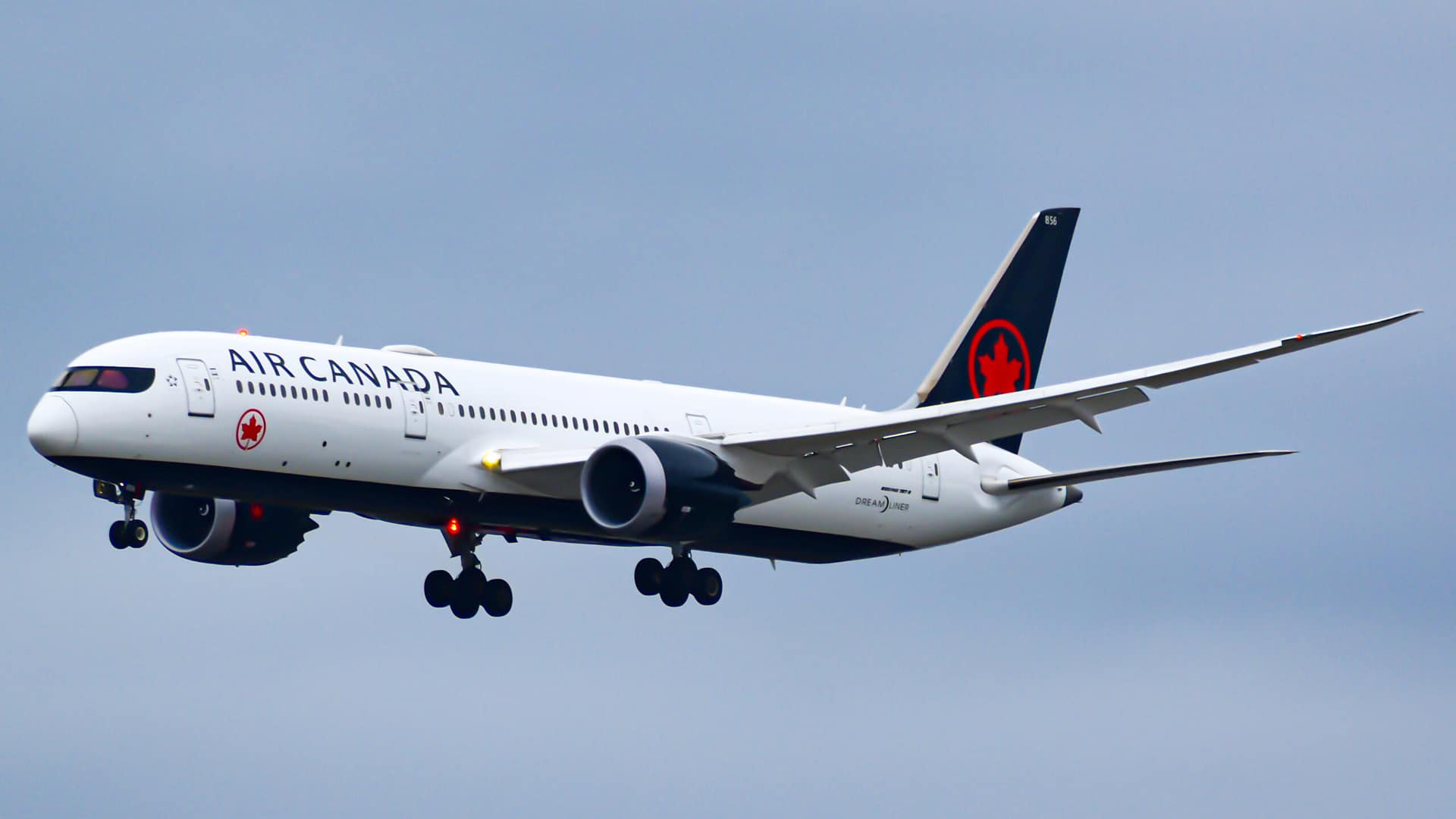
There was applause at the gate. On 3 June 2026, as Air Canada flight AC27 pushed back from Toronto Pearson bound for Shanghai, staff and travellers marked the moment with the kind of small ceremony airlines reserve for something that actually matters. A flight had come back from the dead.
For years, the Toronto–Shanghai corridor — once a busy artery between Canada and China — simply did not exist. Now it does again: a nonstop Boeing 787-9 service, four times a week, every week of the year.
It is easy to shrug at an airline adding a route. But the return of Toronto–Shanghai is a small barometer of something larger: the slow, uneven thaw of the long-haul links that the early 2020s froze solid.
- Route: Toronto (YYZ) – Shanghai Pudong (PVG), relaunched 3 June 2026
- Frequency: four times a week (Mon, Wed, Fri, Sun), year-round and permanent — not seasonal
- Aircraft: Boeing 787-9 Dreamliner
- Distance: 11,440 km; westbound block time up to 16 hours (the inaugural flight took about 14.5)
- Flights: AC27 leaves Toronto at 13:00 and lands in Shanghai at 16:25 the next day; AC28 returns
- Context: part of a broader Air Canada push to rebuild Canada–China capacity for summer 2026
The numbers behind the milestone
The route is no gentle hop. At 11,440 kilometres, the westbound run to Shanghai is scheduled for up to 16 hours of block time, though the inaugural flight slipped through in about 14.5. Flight AC27 leaves Toronto at 13:00 and touches down at Shanghai Pudong at 16:25 the following afternoon; AC28 makes the return, riding the jet stream home to Canada’s busiest airport.
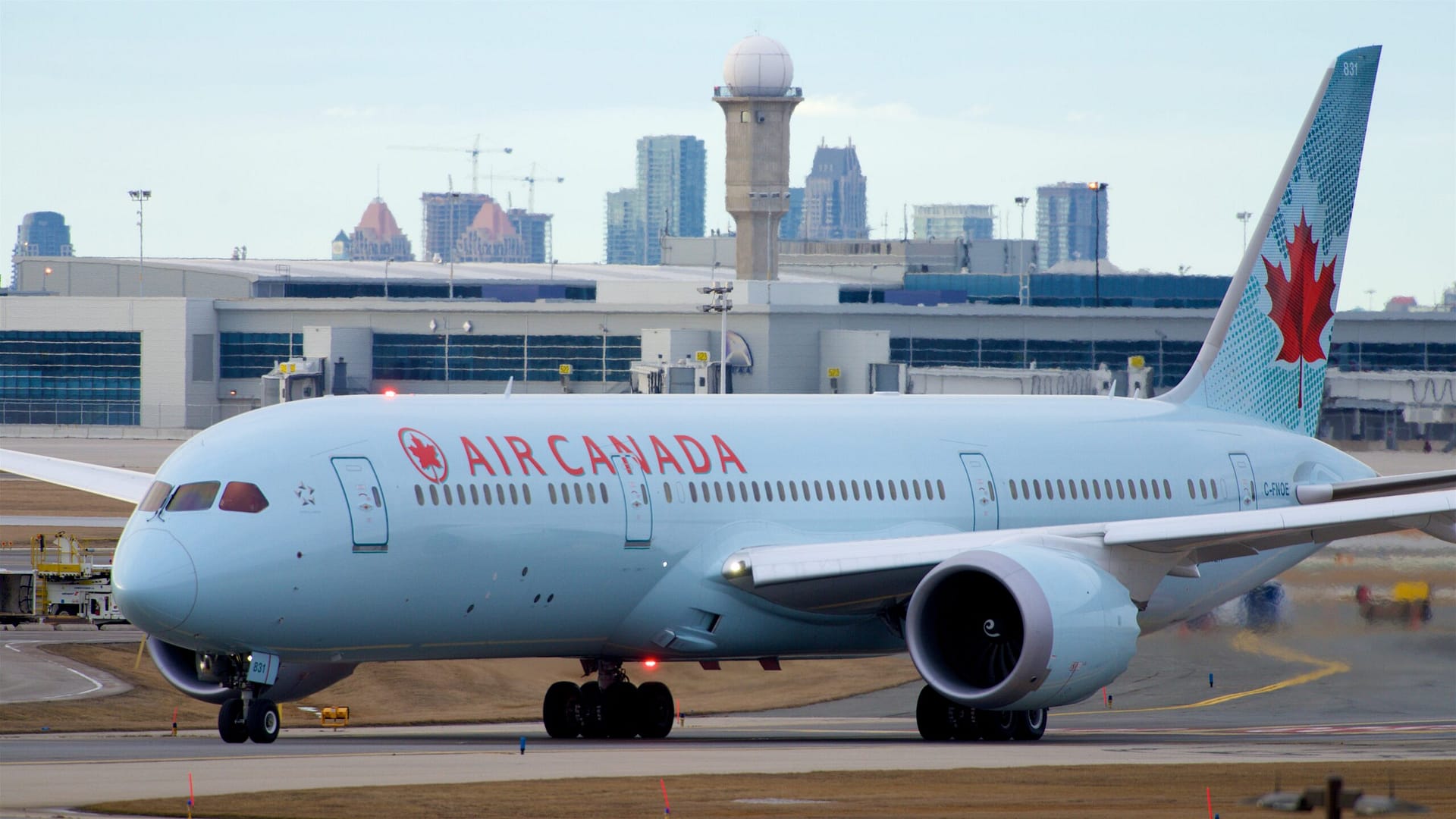
The choice of the 787-9 is the quiet tell. The Dreamliner is the aircraft that made thin, ultra-long routes viable in the first place — efficient enough to fill with a sensible number of premium and economy seats rather than needing a jumbo’s worth of passengers to break even. It is the right tool for a market that is real, but not yet enormous.
Why a route relaunch is a big deal
Canada–China flying cratered during the pandemic and was painfully slow to come back. Demand stayed soft, diplomatic relations ran cool, and airspace and routing constraints made the economics harder still. Rebuilding these connections has taken years of patience, which is exactly why the industry treats a relaunch as an event rather than a footnote.
Crucially, Air Canada is flying Toronto–Shanghai year-round, not as a summer-only experiment. That is a vote of confidence — a bet that the demand will hold up through the dark, thin winter months too. Paired with a broader push to rebuild Canada–China capacity this summer, it suggests the carrier thinks the long freeze on this market is finally over.
For passengers, the takeaway is simpler still: the most populous city in China and the largest city in Canada are, once again, a single flight apart.
Sources: Simple Flying; Air Service One; Open Jaw; Cirium.
Related Questions
Has Air Canada restarted Toronto to Shanghai?
Yes. Air Canada relaunched nonstop service between Toronto Pearson (YYZ) and Shanghai Pudong (PVG) on 3 June 2026, after the route had gone dark. It now runs four times a week, year-round, on the Boeing 787-9.
How long is the Toronto–Shanghai flight?
The route covers 11,440 km. Westbound to Shanghai the scheduled block time runs up to about 16 hours depending on winds, though the inaugural flight was airborne for roughly 14.5 hours. The eastbound return to Toronto is typically shorter thanks to favourable jet-stream tailwinds.
Which aircraft does Air Canada use on the route?
All rotations are flown by the Boeing 787-9 Dreamliner, a mid-sized, fuel-efficient widebody well suited to long, relatively thin long-haul markets like Toronto–Shanghai.
Why did the route disappear in the first place?
Canada–China flying collapsed during the pandemic and was slow to recover amid weak demand, limited airspace options and cool diplomatic relations. Rebuilding these routes has taken years, which is why a relaunch is treated as a genuine milestone rather than a routine schedule change.
Is the Toronto–Shanghai service permanent?
Air Canada is operating it year-round rather than as a seasonal summer route, signalling confidence that demand between Canada and China has recovered enough to sustain it through the winter as well.

0 Comments