
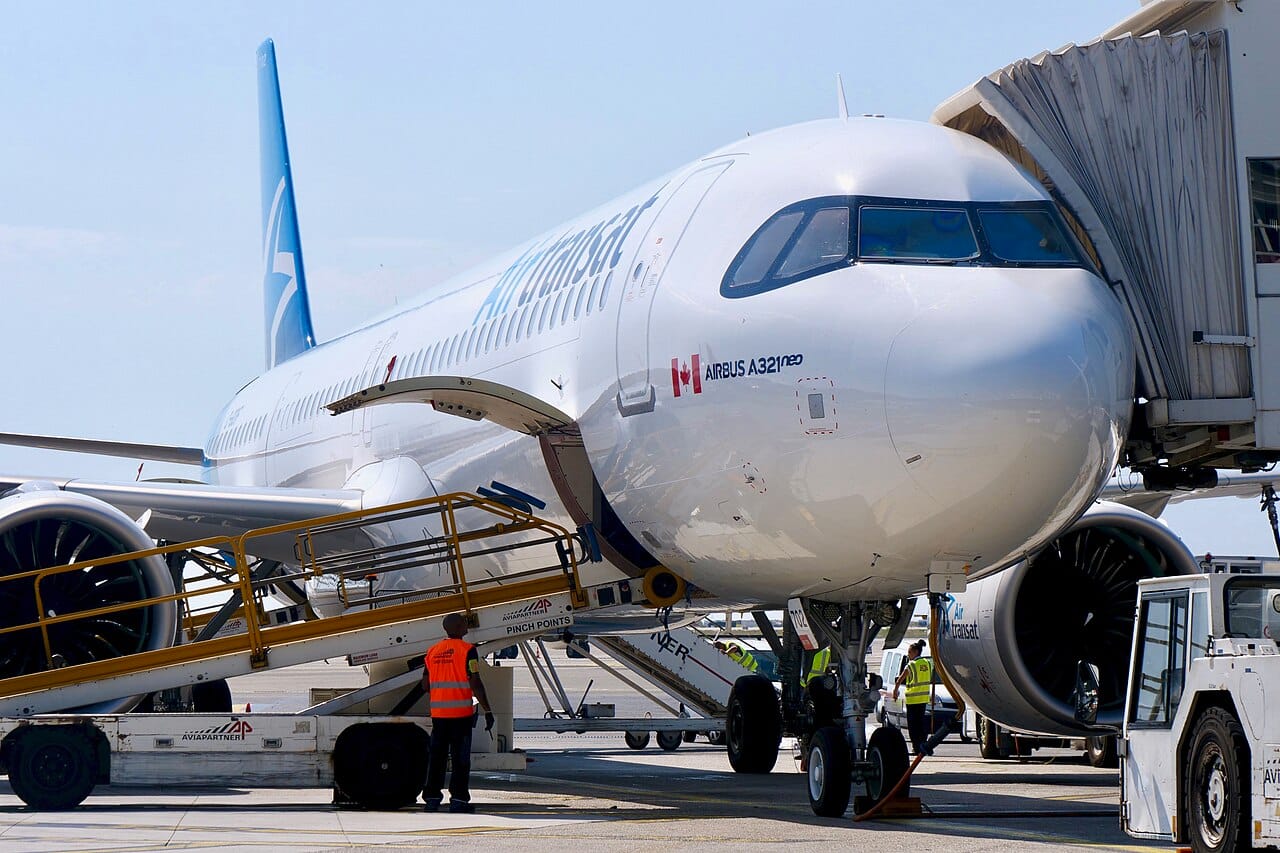
For as long as anyone could remember, getting from Montreal to Dakar meant flying the wrong way first. North-east to Paris or Brussels, a layover, then back south to Senegal — a journey of twelve hours or more to reach a city that sits almost due east across the Atlantic.
On 17 June, that detour quietly ended. An Air Transat A321 — a narrow, single-aisle jet, the kind most people associate with a hop to Florida — lifted off from Montreal and flew straight to Dakar. It was the first nonstop flight ever operated between Canada and sub-Saharan Africa.
Not the first from Montreal. The first from anywhere in Canada. Ever.
QUICK FACTS
| Route | Montreal (YUL) – Dakar (DSS), nonstop |
| Launched | 17 June 2026 |
| Aircraft | Airbus A321LR |
| Frequency | Twice weekly (Mon & Thu), through 21 October |
| Distance | 6,266 km — inside the A321LR’s 7,400 km range |
| The first | Only nonstop link ever between Canada and sub-Saharan Africa |
A first that was a long time coming
No Canadian city — not Montreal, not Toronto, not Vancouver — had ever had a scheduled nonstop service to sub-Saharan Africa. The distance, 6,266 kilometres, sits comfortably inside the A321LR’s 7,400-kilometre reach, so the barrier was never really the geography. It was the economics of filling a widebody on a route that, until now, no one was sure existed.
Air Transat is testing that quietly: twice a week, Mondays and Thursdays, through to 21 October. A toe in the water rather than a daily commitment. But for the people who will fill those seats, it is the difference between a long day and a short one.
A route built for a community
This flight is not really about tourism. Quebec is home to one of the largest West African diaspora communities in Canada, and the Senegalese community in particular is concentrated in and around Montreal. An estimated 346,000 passengers a year travel between Canada and West Africa — every one of them, until now, routed through Europe and a minimum of twelve hours in transit.
Behind that statistic are grandparents meeting grandchildren, students flying home, families moving between two worlds. A nonstop flight does not just save hours; it changes how often those trips feel possible. That is the quiet power of a new dot on the route map.
The little jet rewriting the long-haul map
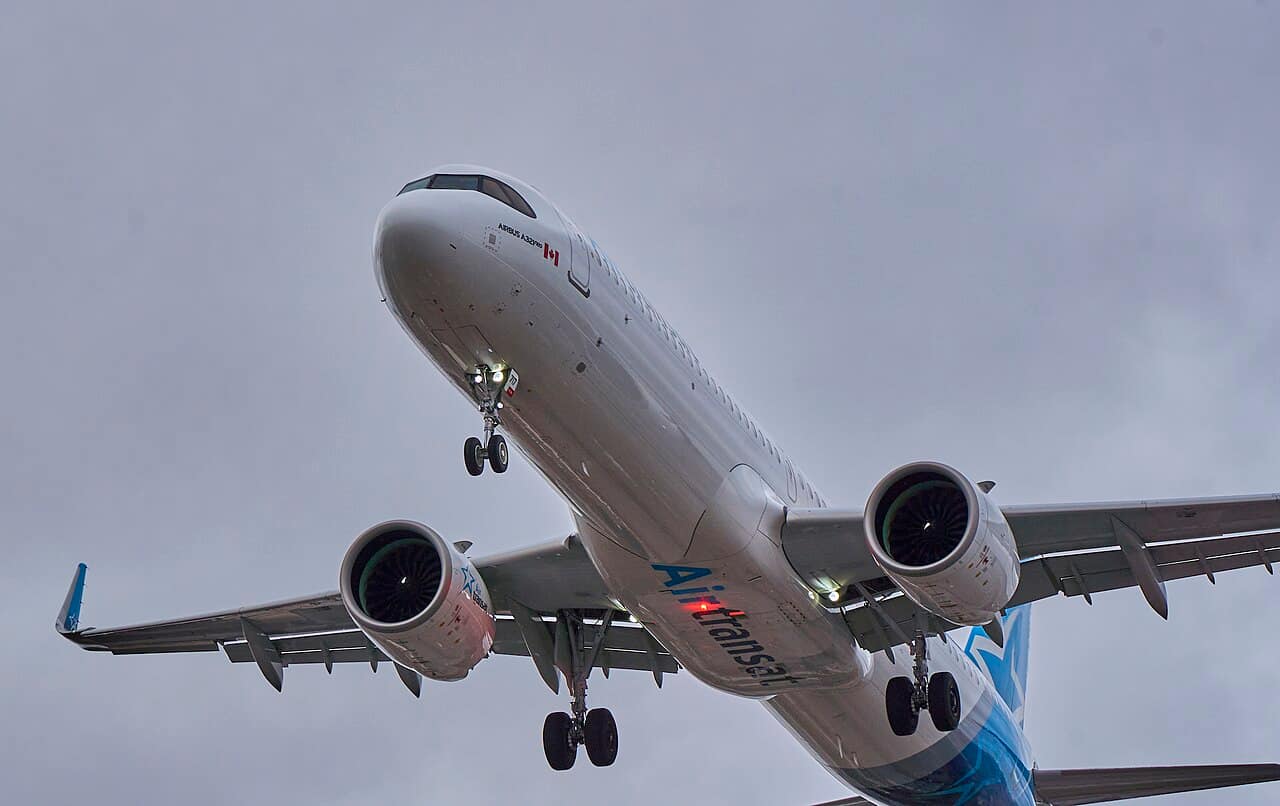
None of this would happen without the aircraft. The A321LR — a stretched, long-range single-aisle — is letting airlines open “long, thin” routes that never had enough demand to justify a big twin-aisle jet. Dakar is just one of eight new transatlantic routes Air Transat is launching this summer, alongside the likes of Montreal–Agadir and Montreal–Reykjavik.
It is a small plane doing a big-plane job, and in the process it is stitching together places the airline map had simply never bothered to connect. For the families boarding in Montreal this summer, the map just got a great deal kinder.
Sources: Aviation Week; Simple Flying; PAX News; Travel And Tour World.
Related Questions
Is there a nonstop flight from Canada to West Africa?
Yes. On 17 June 2026 a nonstop service launched between Montreal (YUL) and Dakar (DSS), Senegal — the first-ever nonstop link between Canada and sub-Saharan Africa. It flies twice weekly using an Airbus A321LR narrowbody.
What aircraft flies Montreal to Dakar?
The Airbus A321LR, a long-range single-aisle jet. The 6,266 km route sits comfortably inside the A321LR's 7,400 km range, showing how modern narrowbodies can open long, thin intercontinental routes once reserved for widebody aircraft.
When did the Montreal–Dakar nonstop start?
The route launched on 17 June 2026, operating twice weekly (Mondays and Thursdays) through 21 October. It is the first scheduled nonstop service ever between Canada and sub-Saharan Africa.
How long is the Montreal to Dakar flight?
The route covers about 6,266 km. That distance is within the range of the Airbus A321LR used to fly it, making a single-aisle aircraft a practical and economical choice for the long crossing.
Why is the Montreal–Dakar route a milestone?
Because no Canadian city had ever had a scheduled nonstop flight to sub-Saharan Africa before. The route finally connects Canada directly to the region, opening a link that previously required connections through Europe or elsewhere.
0 Comments