
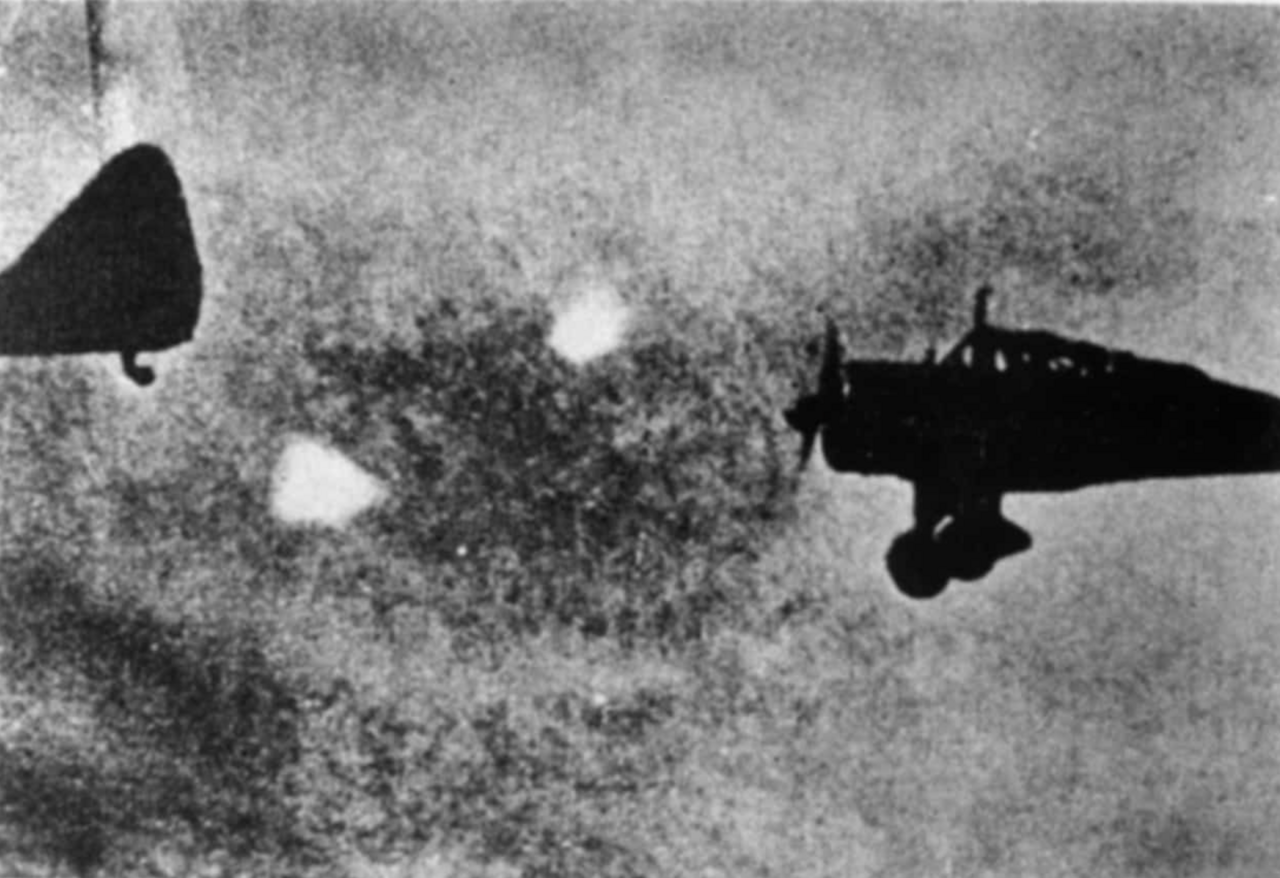
In the last winter of World War II, Allied airmen flying night missions over Europe began to see something they could not explain. Glowing balls of light, orange and red, would appear beside their aircraft and pace them through the dark, matching their turns, hanging off a wingtip, then vanishing.
The pilots called them foo fighters. Radar could not see them. Gunners could not hit them. And more than eighty years later, no one has ever fully explained what they were.
Quick Facts
- What: Mysterious glowing lights reported by WWII aircrews
- When: Mainly the winter of 1944 to 1945
- Where: The night skies over Europe
- First reports: The U.S. 415th Night Fighter Squadron
- The name: Coined from the Smokey Stover comic strip
- On radar: Nothing
- Explanation: Never conclusively determined
Lights in the night sky
The most famous early sightings came from crews of the American 415th Night Fighter Squadron, hunting in the darkness near the Rhine in November 1944. Time and again, aircrews described the same thing: coloured lights that appeared from nowhere, followed the aircraft closely, and behaved as though they were under intelligent control.
These were not nervous rookies. They were trained night-fighter crews who lived by their ability to tell friend from foe from flak in the dark. And what they saw did not fit anything they knew.
A name from the funny pages
Airmen have always coped with the terrifying by naming it something silly. The crews borrowed a nonsense word from a popular American comic strip, Smokey Stover, whose firefighter hero liked to say that where there is foo, there is fire. The glowing lights became foo fighters, and the name stuck.
It was gallows humour for a genuinely unsettling phenomenon, and it gave the mystery a label decades before the word UFO was even invented.
Not on any radar
What made the foo fighters so disturbing was how solid the sightings seemed and how empty the instruments stayed. The lights would keep pace with a fast aircraft, sometimes appearing to dart and manoeuvre, yet ground and airborne radar registered nothing at all.
Both sides were baffled, and both jumped to the same fearful conclusion: that the lights must be some terrifying secret weapon of the enemy. Allied crews suspected a new German device. German crews, it turned out, suspected an Allied one. Neither was ever found.
Hunting an explanation
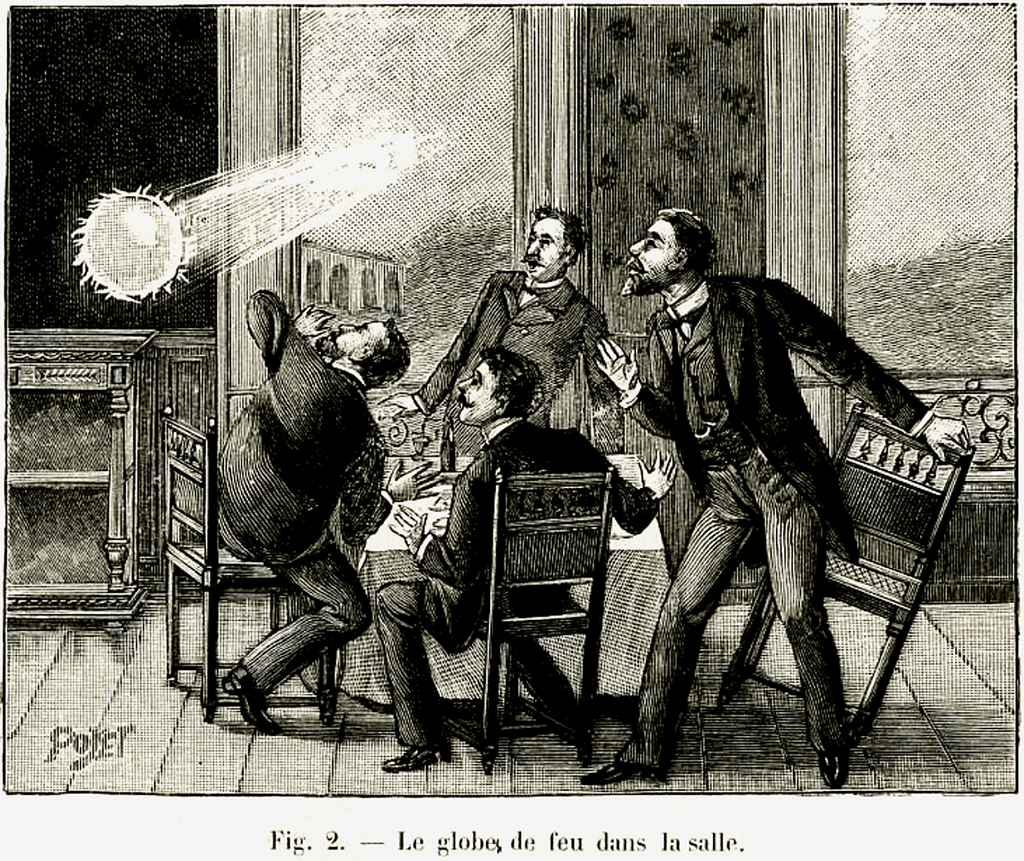
In the years since, sober minds have offered sober answers. St. Elmo's fire, the eerie electrical glow that can dance on an aircraft in charged air. Ball lightning, itself only half-understood. Reflections, static discharge, and the tricks a exhausted brain plays when it is cold, frightened and starved of sleep at altitude.
Any one of these can explain some of the sightings. None of them cleanly explains all of them, and that gap is where the legend lives.
Still unexplained
The foo fighters were investigated during the war and puzzled over long after it, and the honest verdict has never really changed: we do not fully know. They remain one of aviation's genuine unsolved mysteries, reported by credible people who had every reason to describe exactly what they saw.
Whatever they were, the foo fighters are a reminder that the sky is stranger than we like to admit, and that even in the most documented war in history, some things simply flew away unexplained.
Sources: Smithsonian Magazine, HISTORY, Wikipedia
0 Comments