
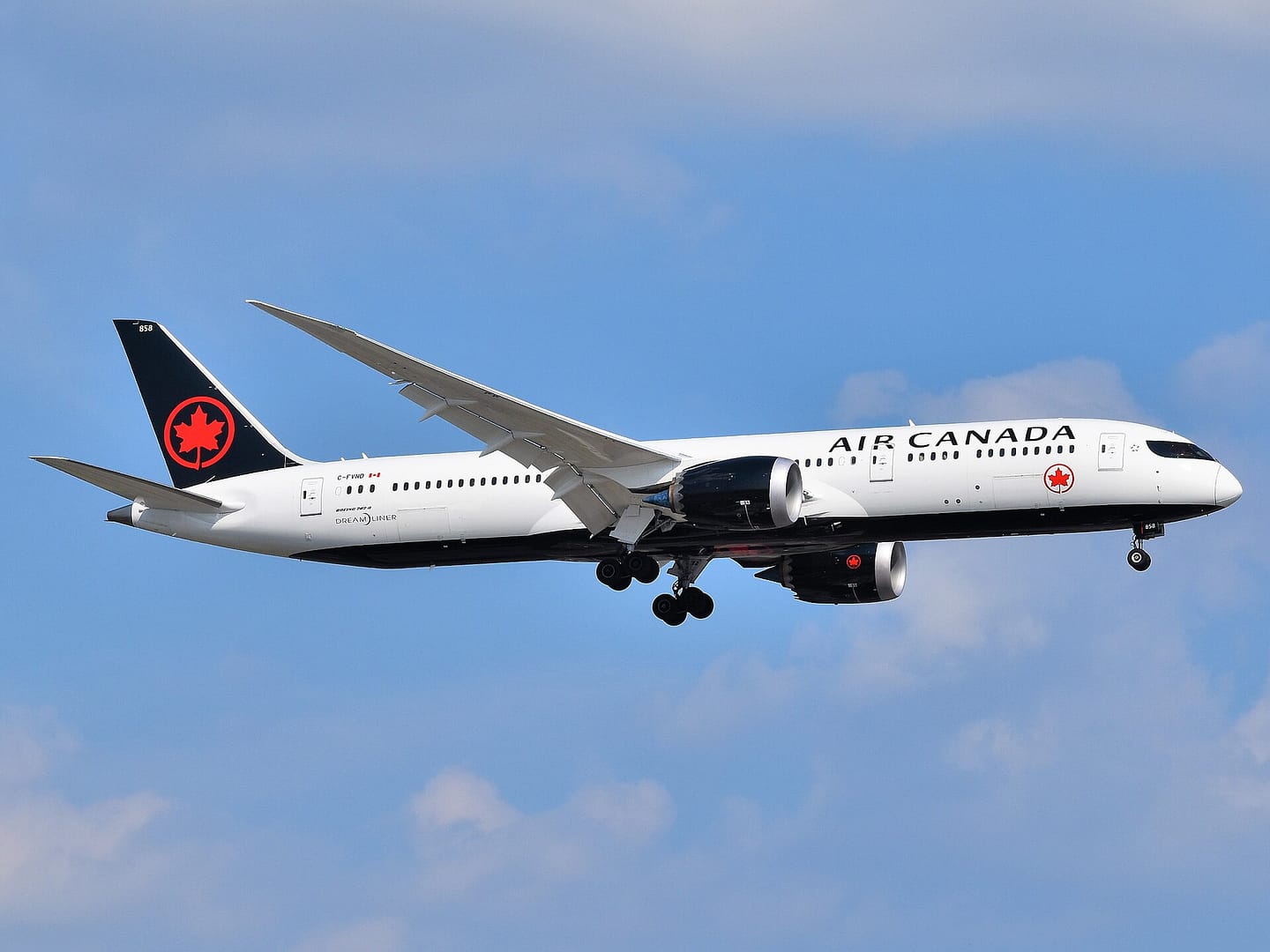
On the first morning of June, an Air Canada jet pushed back at Montreal and pointed its nose at Nantes, a tidy French city on the Loire that no Canadian airline had ever served nonstop. Two days later, a widebody lifted off from Toronto bound for Shanghai for the first time since 2020. By June 18, the flag carrier had switched on seven new long-haul routes in eighteen days — the kind of expansion most airlines spread across a whole year.
It is the biggest single-month international build-out Air Canada has attempted in years, and it touches three hubs: Toronto, Montreal, and, improbably, Halifax. But the more revealing story is hiding in the aircraft column. Which cities earned a nonstop flight was decided less by raw demand than by which jet the airline could fill at a profit — and a brand-new narrowbody quietly rewrote the map.
Quick Facts
- What: Seven new or resumed Air Canada long-haul routes launching across June 2026
- Hubs: Toronto (3), Montreal (3), Halifax (1)
- New destinations: Nantes, Catania (Sicily), Ponta Delgada (Azores), Palma de Mallorca, Brussels
- Returning: Toronto–Shanghai (year-round) and Toronto–Budapest (mainline)
- Aircraft: Boeing 787-8, 787-9, 737 MAX 8, and the new Airbus A321XLR
- Seasonality: Five of the seven are summer-only and lapse in late October 2026; Shanghai runs all year
Seven routes, three hubs, eighteen days
Start with Toronto Pearson, which carries three of the seven. Air Canada resumed nonstop service to Shanghai on June 3, a route it flew continuously from 2006 until the pandemic ended it in 2020. It is back four times a week, year-round, on the 298-seat Boeing 787-9 — the only one of the seven new routes that is not summer-only. Toronto–Budapest followed on June 5, the first mainline service to the Hungarian capital after the low-cost Rouge unit flew it from 2016 to 2019. And on June 11, Toronto added Ponta Delgada in the Azores, the shortest hop of the group.
Montreal-Trudeau, Air Canada’s second-busiest long-haul hub, launched another three. Montreal–Nantes opened the whole run on June 1, the first time Air Canada has flown to the French city. Montreal–Catania in Sicily started June 4, and Montreal–Palma de Mallorca on June 17. Both Mediterranean routes are new not just to Air Canada but to Canada — no carrier had offered either before. Halifax supplied the seventh: Halifax–Brussels began June 18, a peak-summer service that, at roughly 2,670 nautical miles, becomes the airline’s longest route from Nova Scotia.
Why a 182-seat jet changed the math
Here is the part network nerds will love. Air Canada took delivery of its first Airbus A321XLR on April 24 in Hamburg and put the type into commercial service in June 2026. It is the first narrowbody in the fleet to carry lie-flat Signature Class business seats: the cabin holds 182 seats — 14 lie-flat pods up front and 168 in economy. The jet reaches about 4,700 nautical miles, and Airbus credits its geared turbofan engines with roughly 30 percent lower fuel burn per seat than the previous generation.
Now compare the seat counts. Air Canada’s 787-8 seats 255 and the 787-9 seats 298. A widebody on a thin leisure route has to sell close to three hundred seats a flight to cover its costs — hard to do outside the peak summer weeks. The 182-seat A321XLR turns a profit on far lower volume. That gap is the whole strategy: a smaller jet lowers the break-even passenger count, and a lower break-even is what puts a small city like Nantes on the map. It is also why a 737 MAX 8 can run to Ponta Delgada and to Brussels — markets a full-size widebody would leave half empty.
The math has a catch for premium travellers. An A321XLR offers only 14 lie-flat seats, against roughly three dozen on a widebody, so business class on a route like Montreal–Nantes will sell out far earlier than on a 787. And the aircraft itself is not the final word: Air Canada had originally slated Palma de Mallorca for the A321XLR before shifting it to the 787-8 — a reminder that a long sector in summer heat can push a narrowbody past its weight limits.
Shanghai is the widebody exception
One route on the list still earns the big jet. Toronto–Shanghai is back on the 298-seat 787-9, four times a week and year-round — a demand call rather than an aircraft experiment. China traffic, both passengers and cargo, supports a widebody in a way a French regional city or a Spanish island simply cannot. Budapest tells a quieter version of the same story: Air Canada’s mainline return gives Hungary its first nonstop link to North America since LOT Polish Airlines pulled out of New York in 2022.
For Sicily, the milestone is competitive. With Catania, Air Canada becomes the only airline with scheduled service between Canada and Sicily, and the fourth carrier flying between North America and the island, joining Delta, Neos, and United. For travellers in the United States, all seven cities feed Star Alliance connections through Toronto and Montreal — so the reach of this expansion stretches well past the Canadian passport.
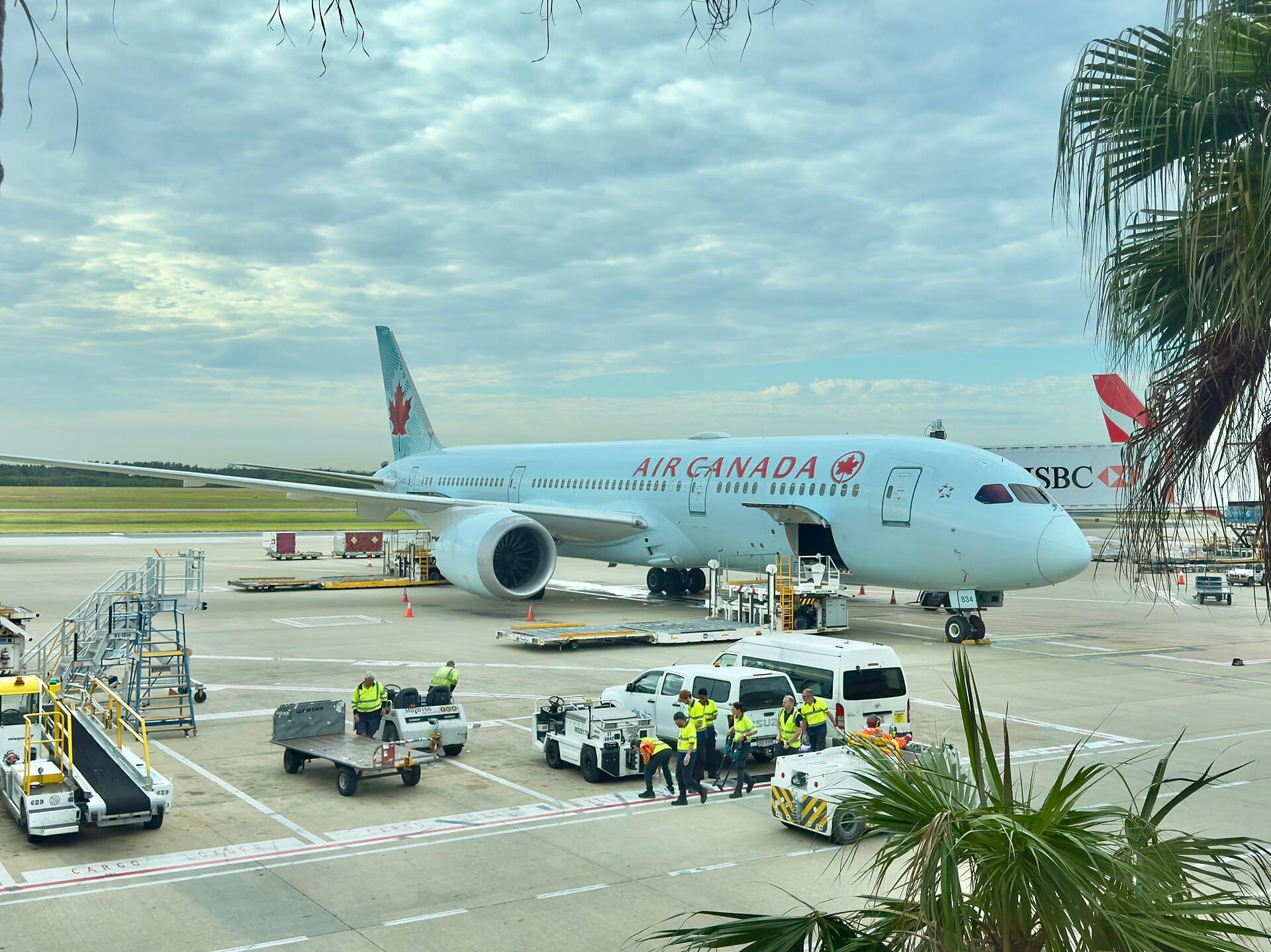
A look aboard Air Canada’s inaugural A321XLR — the narrowbody whose economics quietly redrew the airline’s 2026 route map.
What it means for travellers
The headline for passengers is less about any single city than the pattern. More nonstop options than before — but increasingly on smaller planes that live or die by the season. Five of the seven routes are summer-only and most lapse in late October 2026, so anyone eyeing Catania, Palma, Nantes, Ponta Delgada, or Brussels should book inside that window. Shanghai is the durable one; it runs all year.
With 30 A321XLRs on order, Air Canada now has the tool to keep testing marginal European cities that a widebody could never justify. The cities worth watching are the small ones — the Nantes and the Ponta Delgadas — whose place on the schedule depends on a jet finally small enough to make them pay. The flag carrier is letting the aircraft choose the map, and the map is getting more interesting for it.
Sources: Air Canada newsroom; Airbus; Simple Flying; Deep Arrival; FlightGlobal; AeroRoutes.
Related Questions
How many new routes did Air Canada launch in June 2026?
Air Canada opened or resumed seven long-haul routes across June 2026, split among its Toronto, Montreal, and Halifax hubs, with launch dates running from June 1 to June 18. Five are brand-new destinations and two (Shanghai and Budapest) are returns.
Which new Air Canada route uses the Airbus A321XLR?
Montreal–Nantes is the new long-haul route flown with the Airbus A321XLR (alongside the 737 MAX 8). Air Canada had planned to use the A321XLR on Montreal–Palma de Mallorca but moved that route to the larger Boeing 787-8.
Is Toronto to Shanghai a brand-new Air Canada route?
No. Air Canada flew Toronto–Shanghai continuously from 2006 until 2020, when the pandemic suspended it. The June 3, 2026 flight is a resumption, operated four times a week year-round on the 298-seat Boeing 787-9.
Are the new Air Canada routes seasonal or year-round?
Five of the seven are summer-only and end in late October 2026: Nantes, Catania, Ponta Delgada, Palma de Mallorca, and Brussels. Toronto–Shanghai is the exception and runs year-round.
Why is Air Canada using narrowbody jets on long-haul routes?
A 182-seat Airbus A321XLR or a 737 MAX 8 turns a profit on far lower passenger volume than a 255- or 298-seat Boeing 787. The lower break-even lets Air Canada serve thin leisure markets, such as Nantes or Ponta Delgada, that a widebody would leave half empty.
Can travellers in the United States book these Air Canada routes?
Yes. All seven routes connect through Air Canada’s Toronto and Montreal hubs, so US travellers can reach Nantes, Shanghai, Catania, Budapest, Ponta Delgada, Palma de Mallorca, and Brussels on Star Alliance itineraries.
Related Posts



0 Comments