
For more than six decades, every fighter jet in the Algerian Air Force has come from one country: Russia. MiG-21s, MiG-25s, Su-30MKAs, MiG-29s — the entire combat fleet reads like a catalogue of Soviet and Russian design bureaux. That era is about to end.
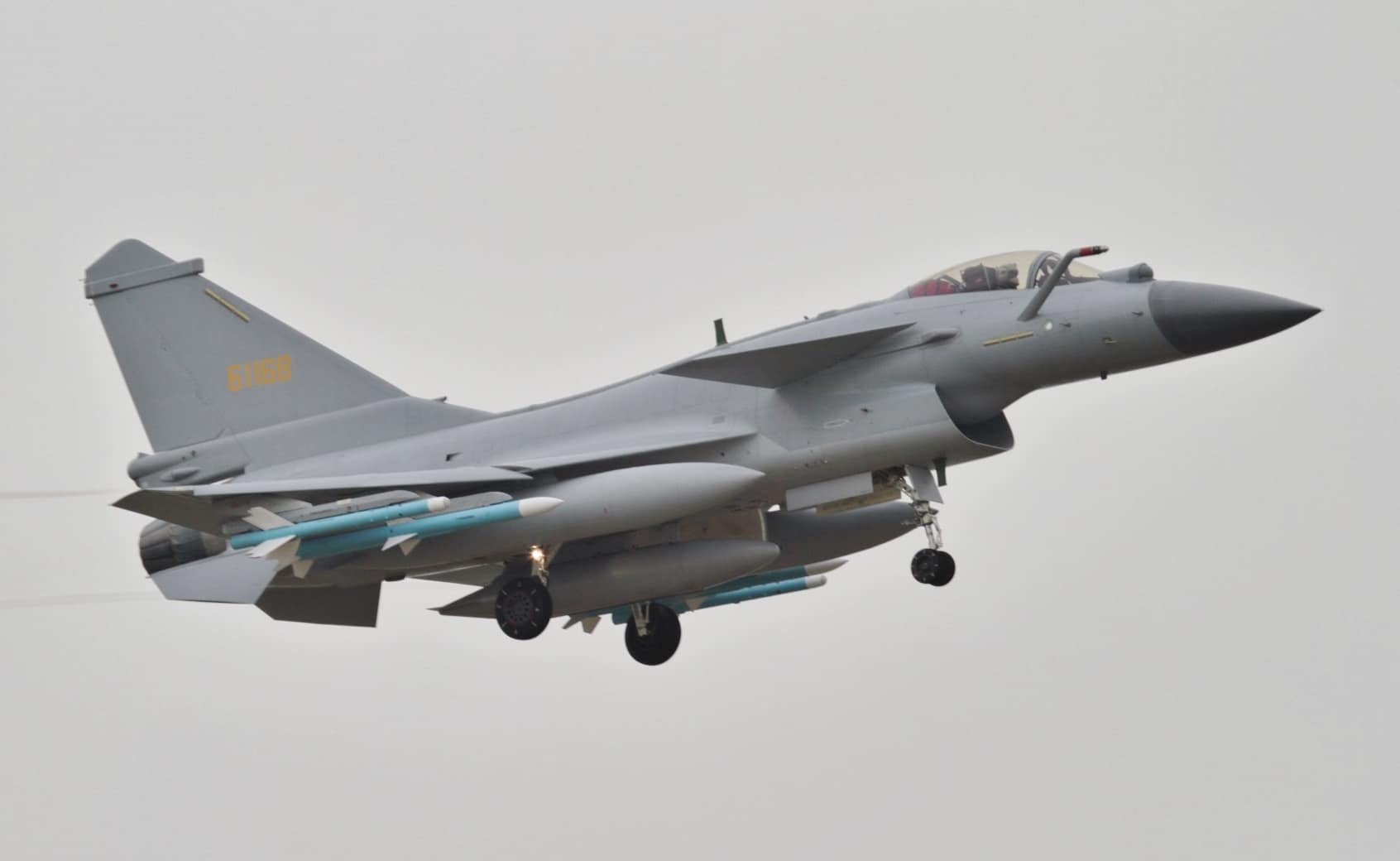
According to multiple defence sources, Algeria is preparing to take delivery of Chengdu J-10C multirole fighters and KJ-500 airborne early warning aircraft from China, with first deliveries expected as early as 2027. If confirmed, the deal would mark Algeria's first-ever acquisition of combat aircraft from a supplier other than Moscow — a strategic pivot with implications that ripple far beyond North Africa.
Why Algeria Is Looking East — But Not Toward Moscow
The timing is not coincidental. Russia's war in Ukraine has stretched its defence-industrial base to breaking point. Delivery timelines for new-build Su-35s and spare parts for Algeria's existing Su-30MKA fleet have reportedly slipped by years. Meanwhile, American sanctions on Russian defence exports under CAATSA have complicated third-party maintenance and upgrade contracts.
Algeria, which operates one of Africa's most powerful air forces, cannot afford to let its combat readiness degrade while waiting for Moscow to sort out its production bottlenecks. China, which has invested heavily in courting North African and Middle Eastern customers, has offered a compelling alternative.
The J-10C: China's 4.5-Generation Contender
The Chengdu J-10C — known as the "Vigorous Dragon" — is a single-engine, delta-canard multirole fighter that represents the most advanced variant of a platform first flown in 1998. The C model, which entered PLAAF service in 2018, is a substantial leap over its predecessors.
At its heart sits an AESA (Active Electronically Scanned Array) radar, a technology that puts it in the same generation as the F-16 Block 70/72, the Rafale F3-R, and the Eurofighter Typhoon Tranche 3. The radar enables simultaneous tracking and engagement of multiple targets, advanced electronic warfare modes, and synthetic aperture ground mapping — capabilities that Algeria's ageing MiG-29 fleet simply cannot match.
The J-10C is powered by either the Russian AL-31FN or the indigenous WS-10B turbofan, both producing roughly 130 kN of thrust with afterburner. Maximum speed sits around Mach 2.0, with a combat radius of approximately 550 kilometres on internal fuel. It carries the PL-15 beyond-visual-range missile — a weapon widely regarded as one of the most capable in its class — as well as the PL-10 infrared-guided dogfight missile.
The KJ-500: Eyes in the Sky
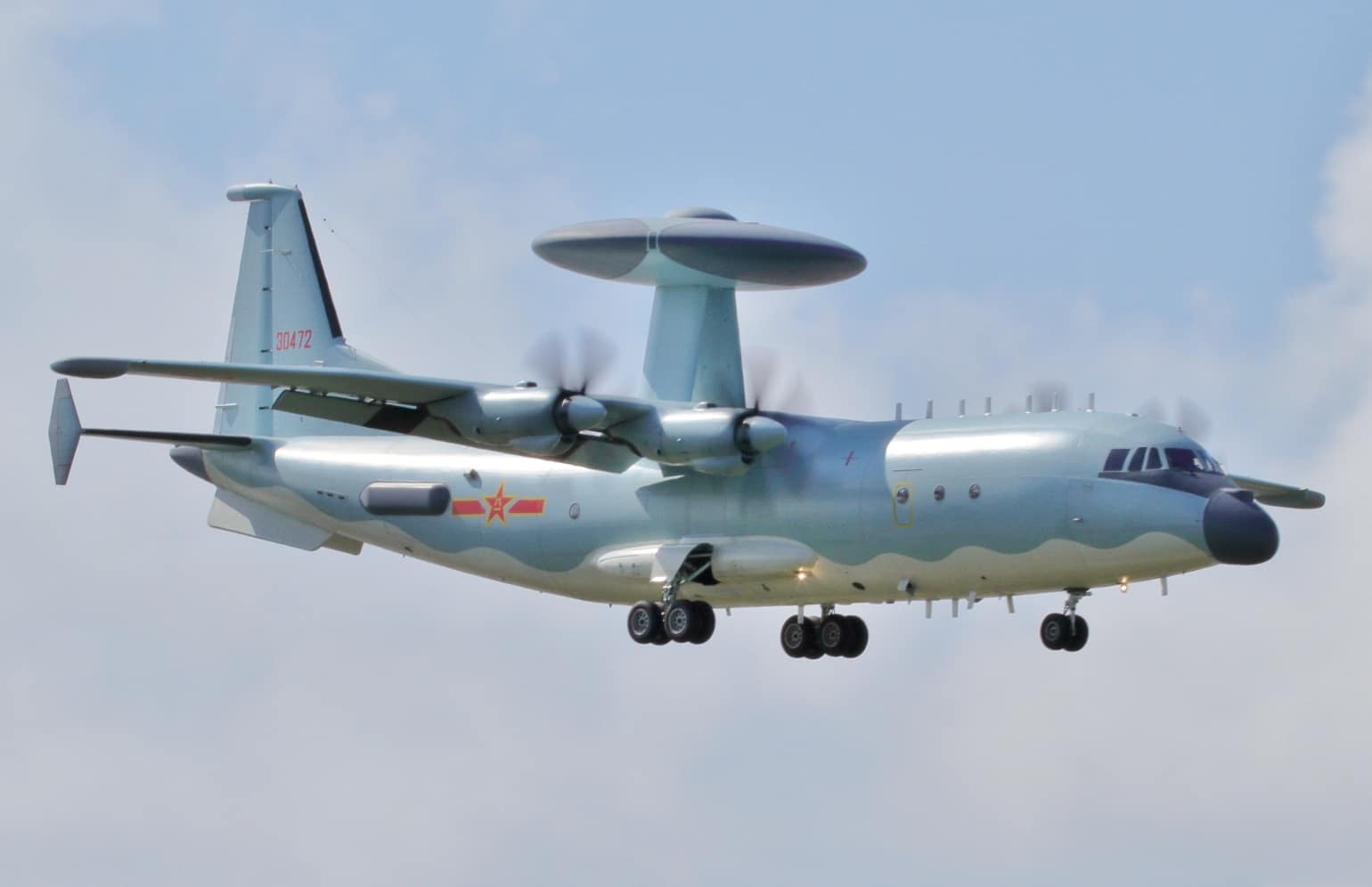
Perhaps even more significant than the J-10C is the reported inclusion of the KJ-500 in the deal. The KJ-500 is China's most advanced airborne early warning and control (AEW&C) platform, built on the Shaanxi Y-9 turboprop airframe.
Equipped with a fixed three-panel AESA radar array mounted atop its fuselage, the KJ-500 can track hundreds of air, sea, and ground targets simultaneously across a detection range estimated at 450 kilometres or more. With a patrol endurance of 8 to 12 hours and a range of 5,700 kilometres, it can loiter over Algeria's vast Saharan territory or patrol the Mediterranean approaches for an entire shift.
No North African nation currently operates a modern AEW&C aircraft. If Algeria fields the KJ-500, it would gain a capability that fundamentally transforms how its air force fights — enabling networked, sensor-fused operations where the J-10Cs, Su-30MKAs, and ground-based air defences all share a common tactical picture in real time.
Strategic Implications: A New Arms Market in North Africa
The deal, if it proceeds, sends three unmistakable signals.
First, Russia's grip on the North African arms market is weakening. Algeria has been Moscow's largest African customer for decades, accounting for billions of dollars in contracts. A Chinese fighter purchase does not replace the Russian relationship overnight, but it establishes a second supply line that reduces dependency — and leverage.
Second, China's defence exports are entering a new tier. Beijing has sold JF-17s to Pakistan and Myanmar, and has marketed the J-10C to several Middle Eastern states, but a confirmed sale to Algeria — a nation with genuine purchasing power and operational standards — would represent the J-10C's most prestigious export success to date.
Third, the inclusion of AEW&C aircraft signals that China is not just selling individual platforms but integrated combat systems. A J-10C without the KJ-500 is a capable fighter. A J-10C networked with KJ-500 coverage is a force multiplier — and that is what serious air forces want to buy.
What It Means for the Region
Algeria's neighbour Morocco has been deepening its own military relationship with the United States, receiving F-16 Block 72s and expanding its drone fleet. The two nations maintain a tense rivalry, particularly over the Western Sahara dispute. An Algerian J-10C/KJ-500 acquisition would add a new dimension to the regional balance — and likely accelerate Moroccan efforts to secure additional Western hardware in response.
For European NATO members across the Mediterranean, the development is worth watching. Chinese combat aircraft operating from bases just a few hundred kilometres south of Spain, Italy, and France would represent an intelligence and interoperability concern — even if Algeria remains a partner rather than an adversary.
Sources: Military Watch Magazine, The War Zone, Global Defense Corp, Janes, Defense News
0 Comments