
Quick Facts
737 MAX production rate: 42 aircraft/month
737-7 (MAX 7): Certification expected 2026; deliveries from 2027
737-10 (MAX 10): Certification expected 2026; deliveries from 2027
Key customer (MAX 7): Southwest Airlines (outstanding order)
Key customer (MAX 10): United Airlines (outstanding order)
Certification challenge: New cockpit alerting requirements imposed post-crash
Two Variants, One Deadline
The 737-7 is the smallest member of the MAX family — a replacement for the 737-700 that seats roughly 138 to 153 passengers. Southwest Airlines, the 737-700’s largest operator, has been waiting years for the -7 to replace its aging fleet. Every month of delay forces Southwest to fly older, less fuel-efficient aircraft. The 737-10 is the largest MAX — a stretched fuselage seating up to 230 passengers that competes directly with the Airbus A321neo. United Airlines is the -10’s anchor customer, with the variant designed to serve high-density domestic and short-haul international routes. The A321neo has been eating into Boeing’s market share while the -10 sits uncertified. Both variants face the same certification hurdle: a congressional mandate requiring new cockpit alerting systems — specifically, an engine-indicating and crew-alerting system (EICAS) — that were not part of the original MAX design. Boeing has been working to integrate these systems without requiring pilots to undergo simulator-based type rating differences, which would significantly increase training costs for airlines.42 a Month and Climbing
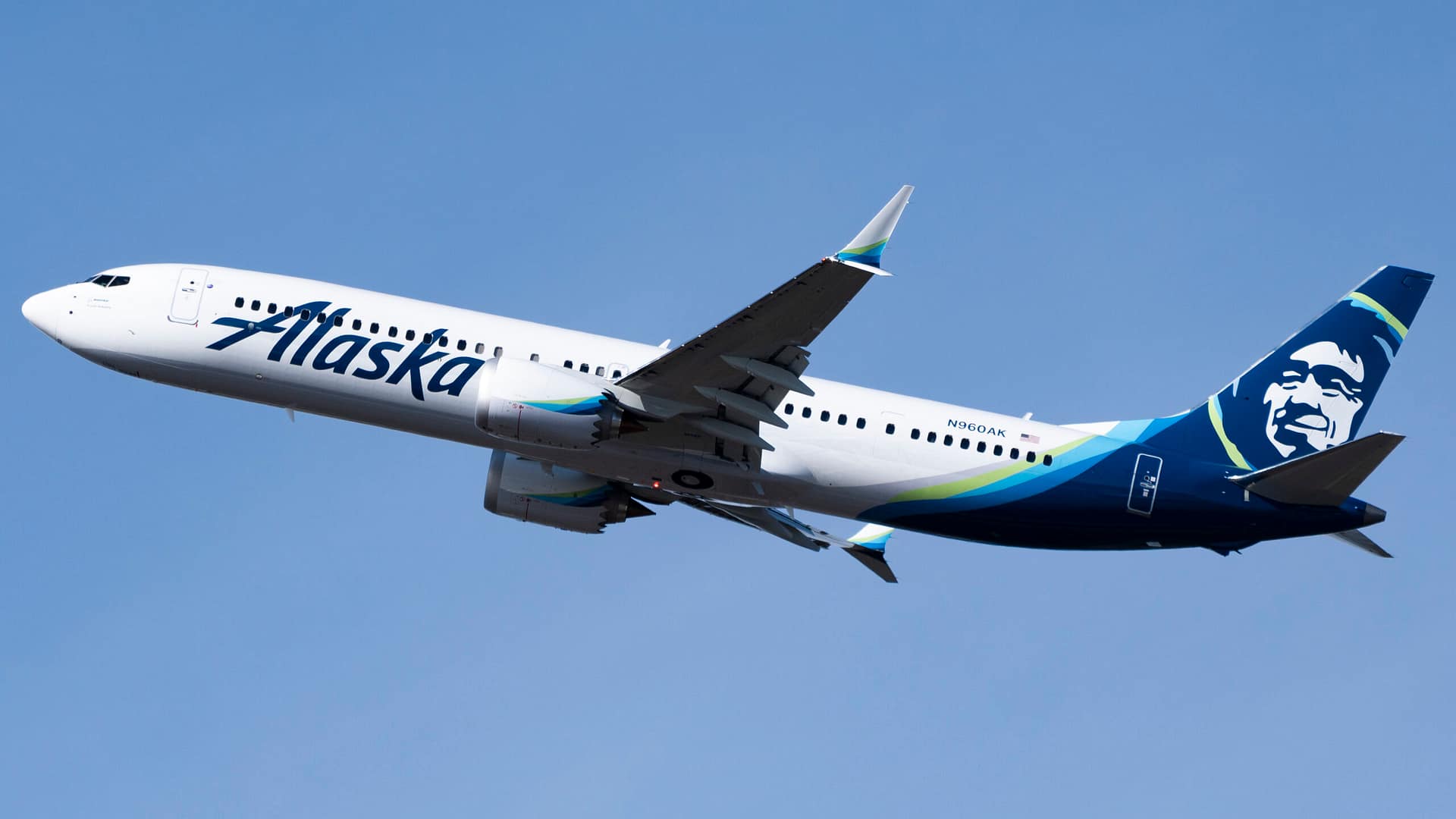
The production rate of 42 MAX aircraft per month represents a significant recovery. After the two fatal crashes — Lion Air Flight 610 in October 2018 and Ethiopian Airlines Flight 302 in March 2019 — Boeing halted MAX production entirely. The 20-month grounding, combined with the COVID-19 pandemic and the Alaska Airlines door plug incident in January 2024, kept production rates suppressed for years. CEO Kelly Ortberg, who took the helm in 2024 with a mandate to stabilise Boeing’s manufacturing operations, has prioritised quality over speed. The current 42/month rate is below the pre-crisis peak of 52/month but reflects a deliberate decision to avoid the quality lapses that contributed to Boeing’s crisis. The production ramp has been accompanied by significant changes on the factory floor. Boeing brought the 737 fuselage production in-house after acquiring Spirit AeroSystems, ending a supply chain arrangement that had been a persistent source of quality problems. The integration is ongoing but already showing results in defect rates.The Airbus Shadow
Every month without a certified 737-10 is a month that Airbus captures more of the single-aisle market. The A321neo has become the best-selling commercial aircraft in history, with a backlog exceeding 5,000 units. Airlines that might have ordered the 737-10 have increasingly turned to Airbus, particularly for high-density routes where the A321neo’s larger cabin offers a clear advantage. Boeing’s response has been to emphasise the MAX family’s lower operating costs on shorter routes and its compatibility with existing 737 infrastructure. But the certification delay has undermined that pitch. Airlines need aircraft now, not promises for 2027. The 737-7 faces less competitive pressure — there is no direct A320neo equivalent at Southwest’s preferred size — but the delay has still forced Southwest to extend leases on aging 737-700s and defer fleet modernisation plans.Light at the End of the Runway
Boeing’s statement that certification is in its final phases and remains on track for 2026 is cautiously optimistic. The FAA has shown no inclination to rush the process — the agency’s credibility was severely damaged by its handling of the original MAX certification, and it has imposed stricter oversight on every subsequent Boeing programme. If certification comes through as planned, first deliveries in 2027 would begin closing the gap with Airbus. Southwest would finally get its fleet replacement. United would get its high-density workhorse. And Boeing would complete a product family that has been in limbo for the better part of a decade. The MAX saga has cost Boeing its reputation, its market share, and billions of dollars. Certifying the -7 and -10 would not erase that damage. But it would mark the end of a chapter that the company — and the industry — is desperate to close. Sources: Boeing Q1 2026 earnings call, Flight Global, Aviation WeekRelated Posts


 English
0 Comments