

For most of the last five years, the Boeing-versus-Airbus delivery race wasn't a race at all. Crisis after crisis — the 737 MAX grounding, a pandemic, a factory-quality reckoning after a door plug blew off a jet in flight — left Boeing limping while Airbus strolled ahead handing over more airliners every year.
2026 is the year that stopped being true. Boeing came out of the gate in January faster than it has in years. Then Airbus answered. Halfway through the year, the two planemakers are separated by a margin so thin it barely registers — and that, for Boeing, counts as a comeback.
• Q1 2026: Boeing 143 deliveries vs Airbus 114 — Boeing's strongest start in years
• Through May 2026: Airbus 262 vs Boeing 250 — Airbus retakes the lead
• Airbus 2026 target: around 870 deliveries
• Combined backlog: roughly a decade of production already sold
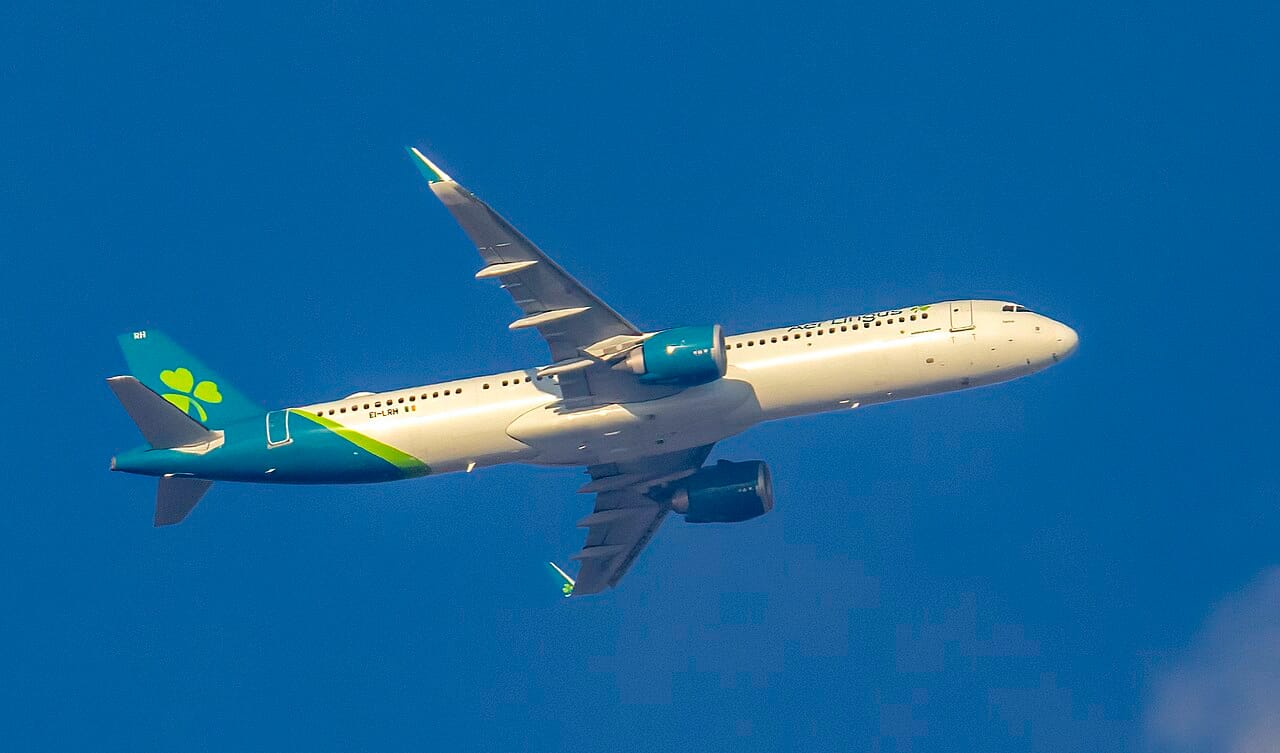
• Volume driver: the single-aisle duel — 737 MAX vs A320neo family
A fast start Boeing badly needed
In the first quarter, Boeing handed over 143 commercial jets to Airbus's 114 — a 29-aircraft margin and, more importantly, a signal. After years of the company being defined by what went wrong, the opening months of 2026 were defined by aircraft actually leaving the factory and reaching airlines.
The engine of that number is the 737 MAX. It is the aircraft Boeing lives or dies by, the workhorse that fills airline fleets from Dublin to Denpasar, and getting it out the door at a steady clip is the whole ballgame. Every MAX delivered is cash in the door and one more customer reassured.
Airbus punches back
Boeing's lead didn't last. By the end of May, Airbus had delivered 262 aircraft to Boeing's 250, edging back in front for the year to date. The European planemaker still sets the pace, targeting around 870 deliveries across 2026, and its order book keeps swelling — in a single recent quarter it booked around 170 net orders.
So the honest scoreboard at the halfway mark reads: Airbus narrowly ahead, Boeing closer than it has been in a very long time. After the years Boeing has had, "narrowly behind" is a sentence its executives will happily take.
The race is really about factories
Here's the thing about the delivery race: it is not really about who sells more jets. Both planemakers have sold more than they can build for years — between them they are sitting on roughly a decade of backlog. Customers who order a single-aisle jet today may wait until the 2030s to fly it.
That means the contest is decided on the factory floor, not in the sales tent. The winner is whoever can safely lift production rate. Boeing has spent 2026 grinding its 737 output higher under the watchful eye of regulators, and every incremental jet per month is the difference between catching Airbus and staying second.
For passengers, none of this changes the view from seat 14A. But for an industry that spent half a decade writing Boeing's obituary, a photo-finish delivery race in 2026 is the most interesting thing to happen to commercial aviation in years — and the clearest sign yet that the duopoly is, once again, an actual duel.
Sources: Simple Flying; CNBC; Forecast International Flight Plan; Boeing and Airbus quarterly delivery reports.
Related Questions
Who is winning the 2026 Boeing versus Airbus delivery race?
At the 2026 halfway mark the two are almost level. Boeing opened strongly with 143 deliveries in the first quarter versus Airbus's 114, its best start in years, but by the end of May Airbus had edged back in front, 262 to 250. Airbus still sets the pace overall, targeting around 870 deliveries for the year.
How many aircraft did Boeing and Airbus deliver in early 2026?
In the first quarter of 2026 Boeing delivered 143 aircraft to Airbus's 114. By the end of May the year-to-date tally had flipped to Airbus 262 versus Boeing 250. The margin is so thin it barely registers, which, after years of Boeing crises, its executives count as a genuine comeback.
What is Airbus's 2026 delivery target?
Airbus is targeting around 870 aircraft deliveries across 2026, and its order book keeps swelling; in one recent quarter it booked roughly 170 net orders. Between the two planemakers the combined backlog represents about a decade of production already sold. It continues Airbus's recent run of overtaking Boeing in the annual jet race.
Why is the single-aisle market so important to the delivery race?
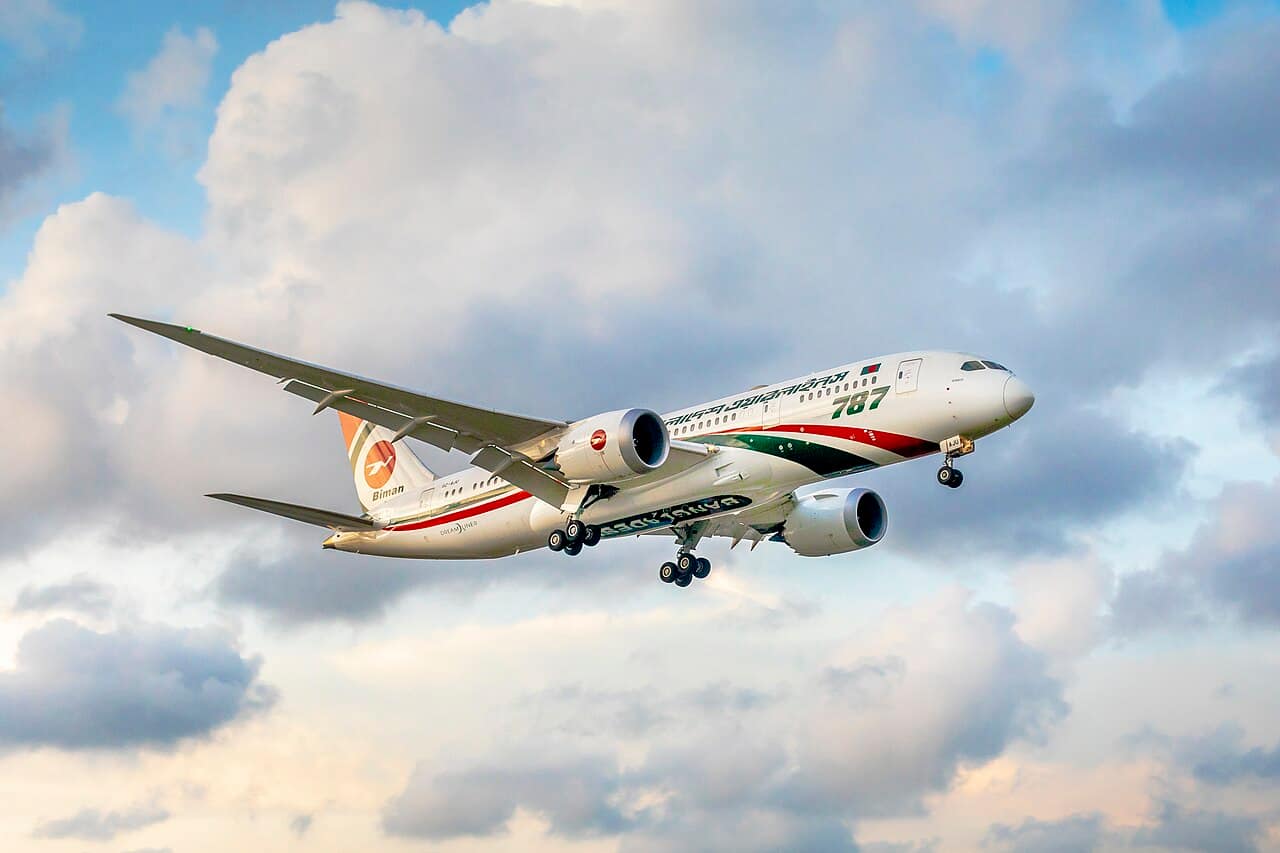
Volume is driven by the narrowbody duel between the 737 MAX and the A320neo family. Widebodies like the 787 add to the tally, but the delivery race is won and lost on single-aisle output, because those jets are built in far greater numbers. Whoever can raise factory production rates fastest ultimately wins.
What crises hurt Boeing's aircraft deliveries?
Boeing was set back by the 737 MAX grounding, the pandemic, and a factory-quality reckoning after a door plug blew off a jet in flight. Those crises let Airbus stroll ahead for years. Demand for both makers stays strong, though, with carriers still ordering widebodies, as in Philippine Airlines' 787 and A350 buy.

0 Comments