History & Legends, Military Aviation
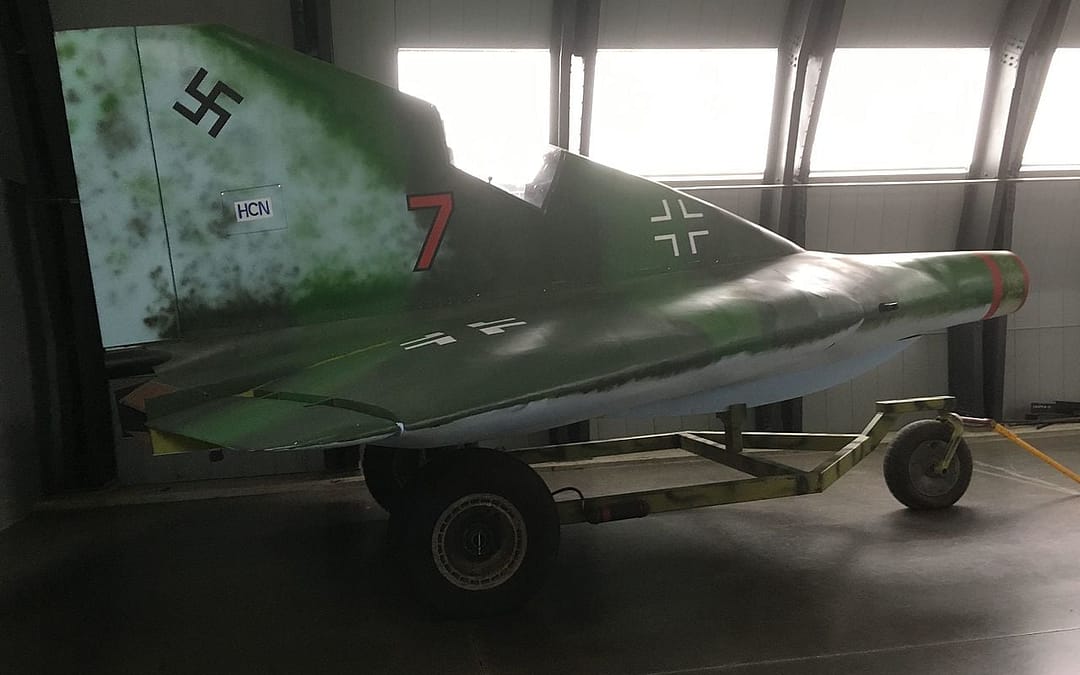
By late 1944, Nazi Germany was running out of almost everything an air force needs — most critically, fuel. So when Dr. Alexander Lippisch, the delta-wing pioneer behind the rocket-powered Me 163 Komet, sketched a supersonic interceptor, he gave it an engine...

History & Legends, Military Aviation
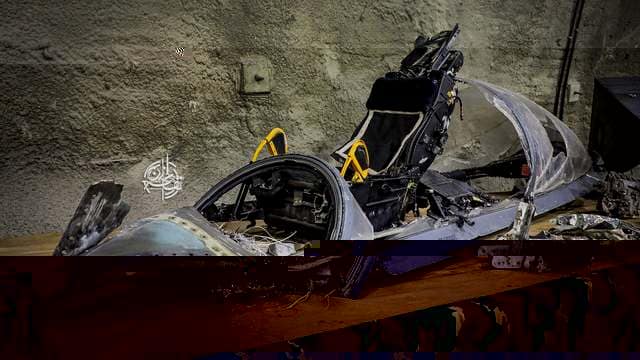
In the last winter of the war, with Allied fighters strafing German airfields almost at will, Heinkel’s engineers asked a radical question: what if a fighter needed no airfield at all? Their answer, drawn up between 1944 and March 1945, was the Lerche —...
History & Legends, Military Aviation
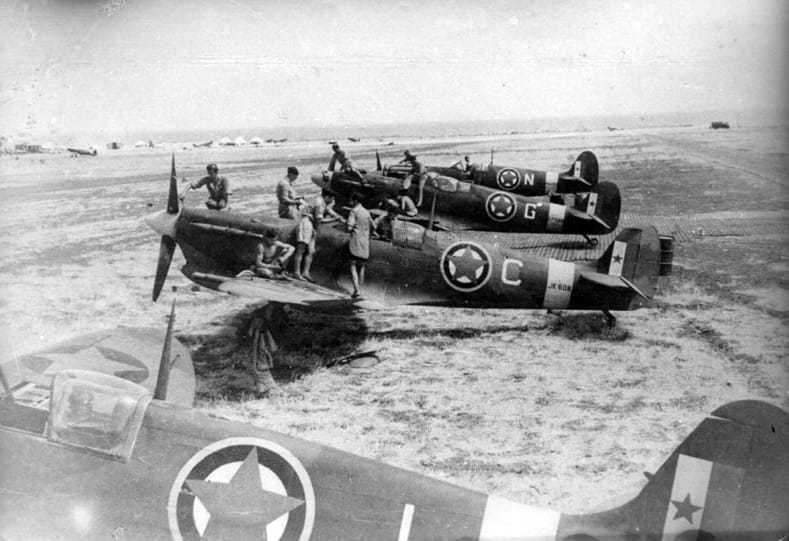
Look closely at the tail of the Spitfire and something is wrong — gloriously, deliberately wrong. Beside the familiar red-white-blue fin flash of the Royal Air Force sits a five-pointed communist red star. This is a British fighter, in British service, flying...
History & Legends, Military Aviation
In January 1942, a month after Pearl Harbor, a Pennsylvania dentist named Lytle S. Adams sat down and wrote a letter to the White House. His plan to win the war was simple: strap tiny incendiary bombs to a million bats and drop them on Tokyo.It should have gone...
History & Legends, Military Aviation
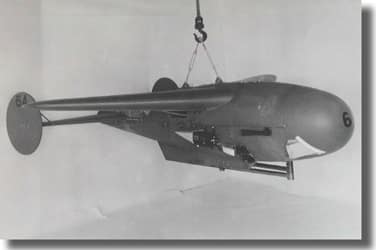
In the middle of the Second World War, one of the most famous psychologists in America proposed a guidance system for bombs that used no radar, no gyroscopes, and no vacuum tubes. It used pigeons. Live ones. Riding inside the nose of the bomb.The astonishing part is...
History & Legends, Military Aviation
In 1913, while the rest of the world was still coaxing flimsy single-engine biplanes into the air for a few shaky minutes, a 24-year-old Russian rolled out an aircraft with four engines, a heated passenger lounge, electric lighting, and a washroom. It was called the...






Recent Comments