History & Legends, Military Aviation
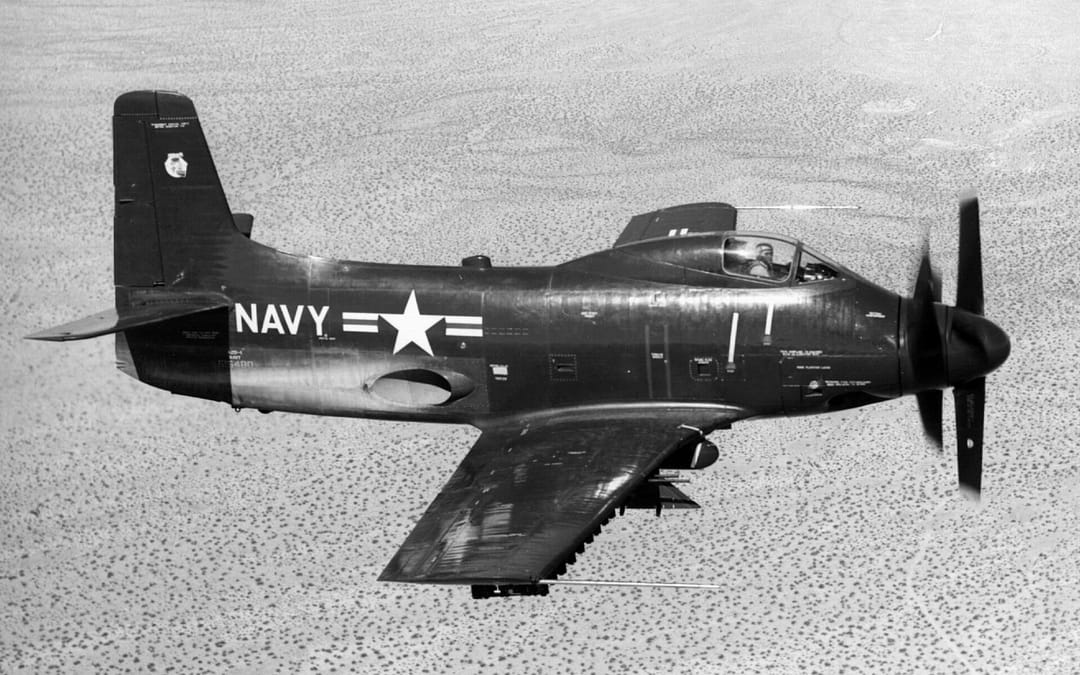
On paper, it should have worked. Take the superb Douglas Skyraider, replace its thundering piston engine with a modern turboprop of more than 5,000 horsepower, and the U.S. Navy would have a carrier attack aircraft faster and harder-hitting than anything afloat....

History & Legends, Military Aviation
The finale of The Race for the Bomb, an Afterburner focus series. Nine parts brought the bomb from a London traffic light to Nagasaki. The last part answers the question Washington asked in September 1949: how did Stalin get it so fast? Somewhere between Japan and...
History & Legends, Military Aviation
Part 9 of The Race for the Bomb, an Afterburner focus series. Everything in this series converges here: the physics of Part 1, the exiles of Part 2, the bomb of Part 5, the aircraft of Part 7, the fire doctrine of Part 8. Two missions, four days, one surrender....
History & Legends, Military Aviation
Part 8 of The Race for the Bomb, an Afterburner focus series. Part 7 left the three-billion-dollar B-29 failing at high altitude. This part is about the man who turned it around, the night that followed, and the sixty-plus cities after that. It is not an easy read; it...
History & Legends, Military Aviation
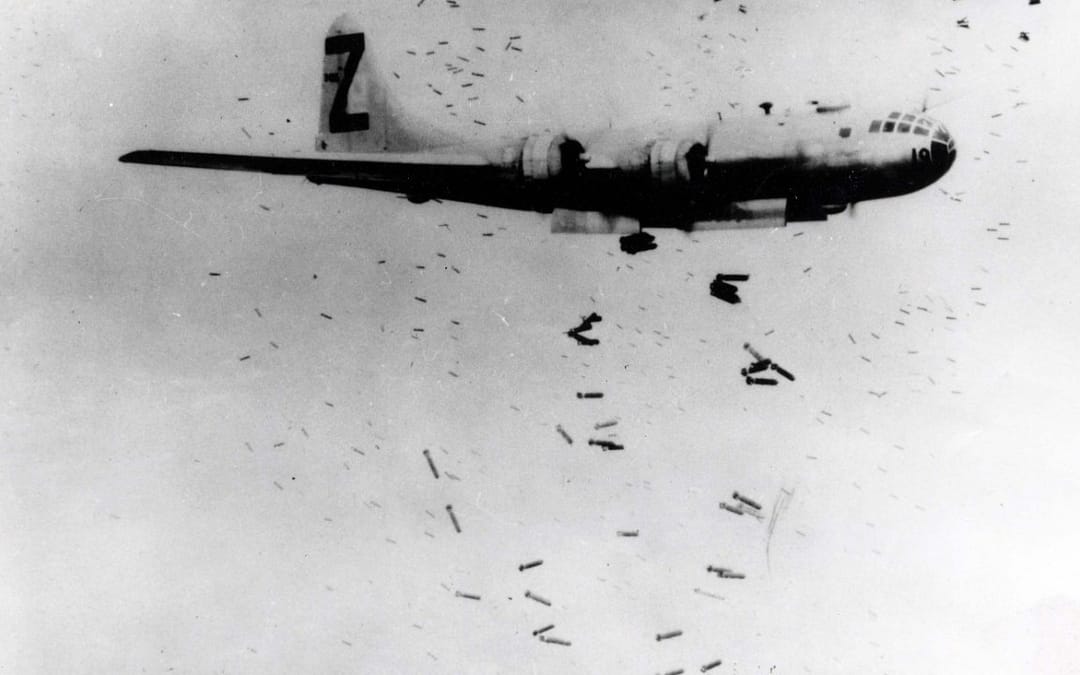
Part 7 of The Race for the Bomb, an Afterburner focus series. The Manhattan Project cost 1.9 billion dollars. The aircraft built to deliver its product cost three billion. This is the engineering story of the B-29 Superfortress — bought off the drawing board, nearly...
History & Legends, Military Aviation
Part 6 of The Race for the Bomb, an Afterburner focus series. Before one aircraft could destroy one city, the burning of cities had to become ordinary. This part tells how that happened over Germany — soberly, by the numbers, and through the people under the bombs and...
History & Legends, Military Aviation
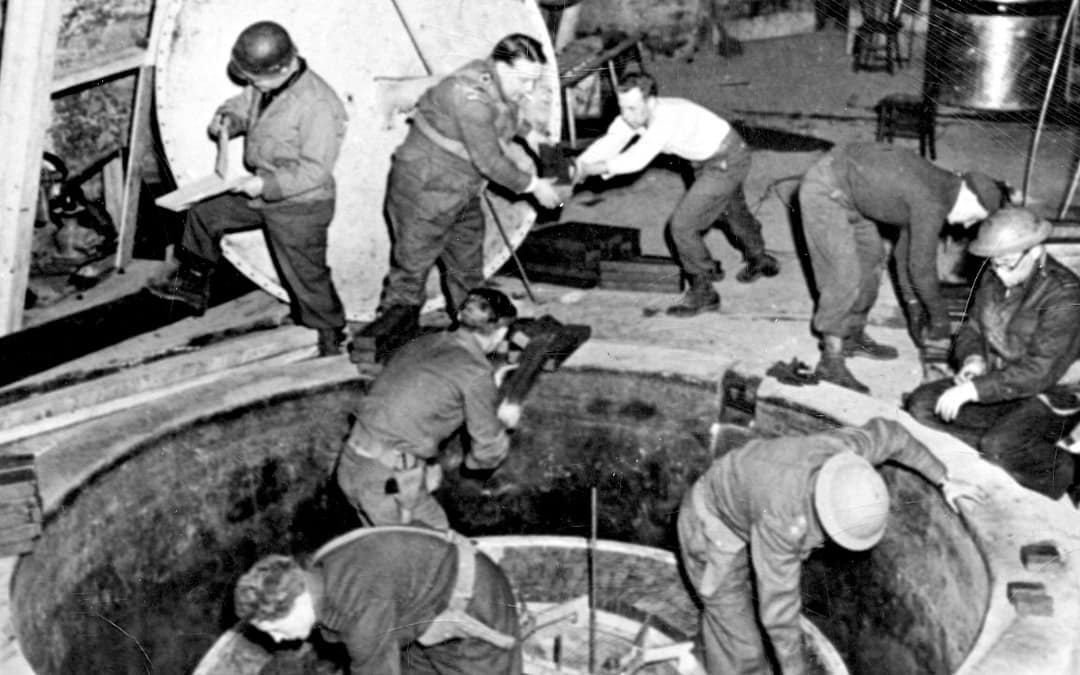
Part 4 of The Race for the Bomb, an Afterburner focus series. Fission was discovered in Berlin. So why did the bomb come from New Mexico? This part examines the German and Japanese programs — and the errors, raids and illusions that stopped them. The Hardangervidda,...
History & Legends, Military Aviation
In the mid-1950s, Britain faced a nightmare: waves of Soviet bombers climbing ever higher and flying ever faster, each one potentially carrying an atomic bomb. Conventional fighters simply could not climb quickly enough to catch them in time. So British engineers...






Recent Comments