
History & Legends, Military Aviation
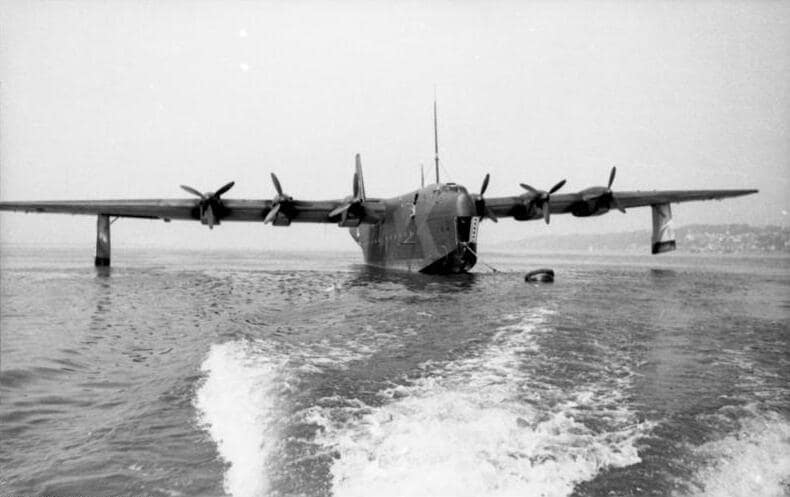
The biggest aircraft the Axis powers ever built was not a bomber or a transport — it was a flying boat the size of a small ship, hauled into the air on six engines by a company that normally built ocean liners. And when an American fighter pilot finally sank it...
History & Legends, Military Aviation
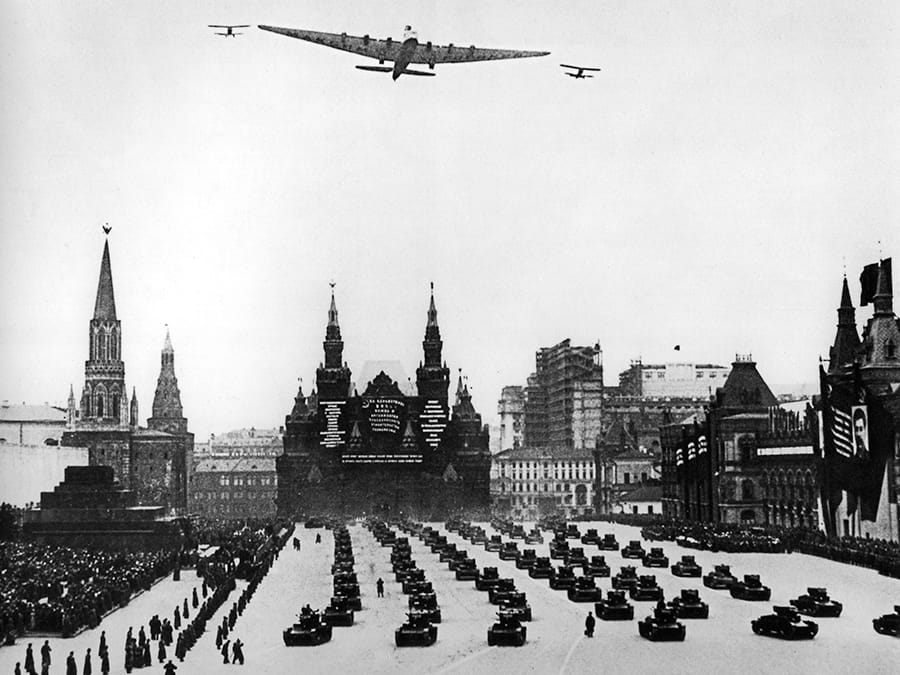
On 17 May 1935, the man who would later write The Little Prince climbed aboard the largest aircraft on Earth. Antoine de Saint-Exupéry, in Moscow reporting for a French newspaper, was the only foreigner allowed onto the Tupolev ANT-20 “Maxim Gorky” —...
History & Legends, Military Aviation
It looked like a four-poster bed welded out of scaffolding, and it flew by balancing on a column of jet blast. When the Rolls-Royce Thrust Measuring Rig lurched into the air at Hucknall in 1954, it became the first jet-lift aircraft to fly anywhere in the world...
History & Legends, Military Aviation
Take a V-1 flying bomb — the pilotless cruise missile that terrorised London in 1944 — and cut a small hole in the fuselage just ahead of the engine. Fit a plywood seat, a single control column, and a handful of basic instruments. Now put a young man...
History & Legends, Military Aviation
Somewhere over Germany in the last winter of the war, four P-51 Mustangs slid in behind a lone, unfamiliar fighter and prepared to pounce. The pilot did not turn to dogfight. He pushed the throttle to the stop, triggered a chemical boost that shoved extra horsepower...
History & Legends, Military Aviation
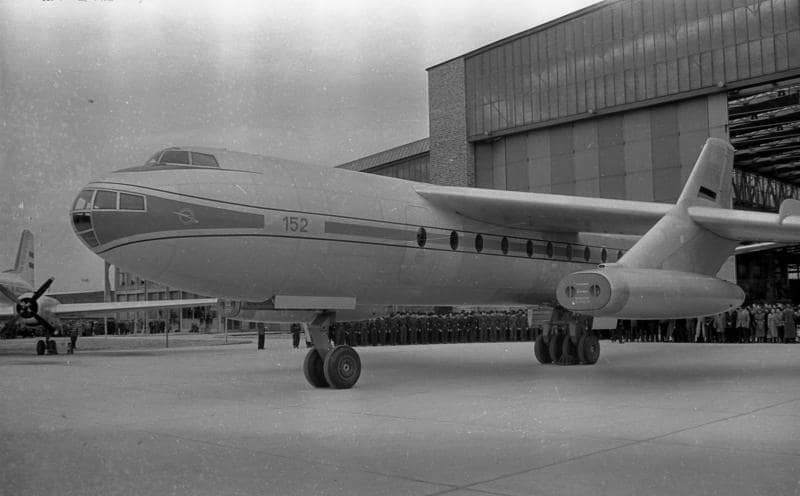
On 30 April 1958, a gleaming four-engined jet was rolled out of a hangar in Dresden to great fanfare. It was called the 152, and it was meant to announce East Germany’s arrival as a builder of modern airliners — a socialist answer to the Comet and the...





Recent Comments