History & Legends, Military Aviation
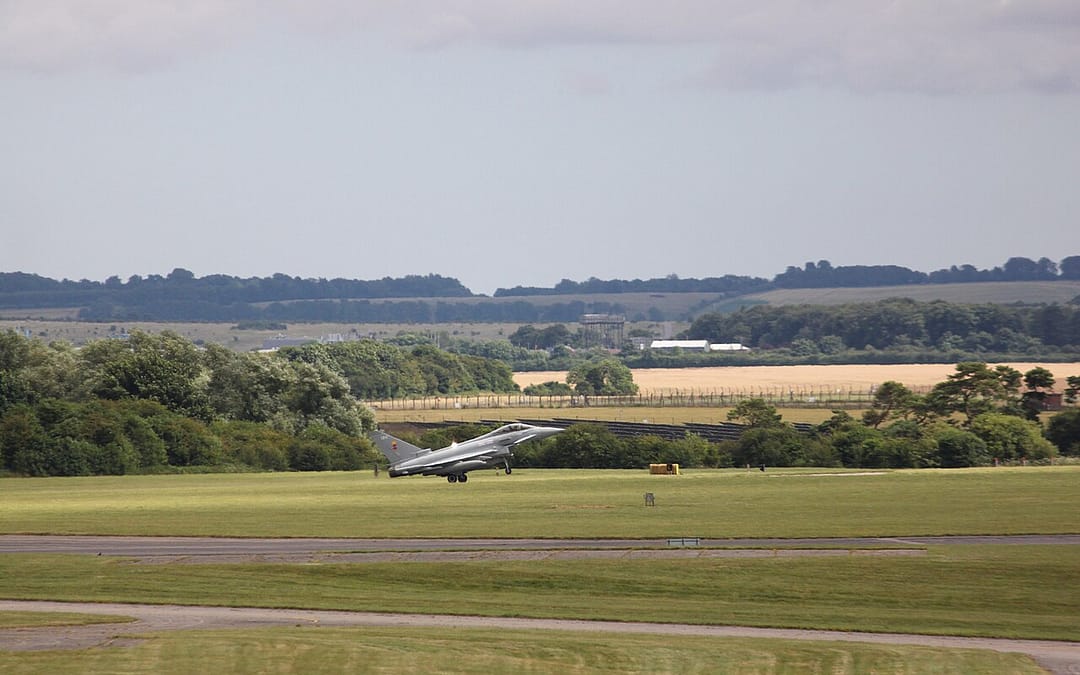
Earlier this year the RAF’s first E-7 Wedgetail spent a period at a Wiltshire airfield most people have never heard of, having its systems activated and its radar calibrated, before it was allowed anywhere near an operational squadron. That is not unusual....

History & Legends, Military Aviation
Every bomb ever built before 1944 was designed to hit the thing it was aimed at. Barnes Wallis built two that were designed to land next to it. This was not a compromise or an admission that bombing was inaccurate. It was the entire principle. Wallis had worked out...
History & Legends, Military Aviation
When Iranian missiles struck an air base in eastern Jordan last Friday and killed American servicemen, the base was identified in every report by its name: Muwaffaq Salti. Almost nobody outside Jordan knows who that was. He was a first lieutenant in the Royal...
History & Legends, Military Aviation
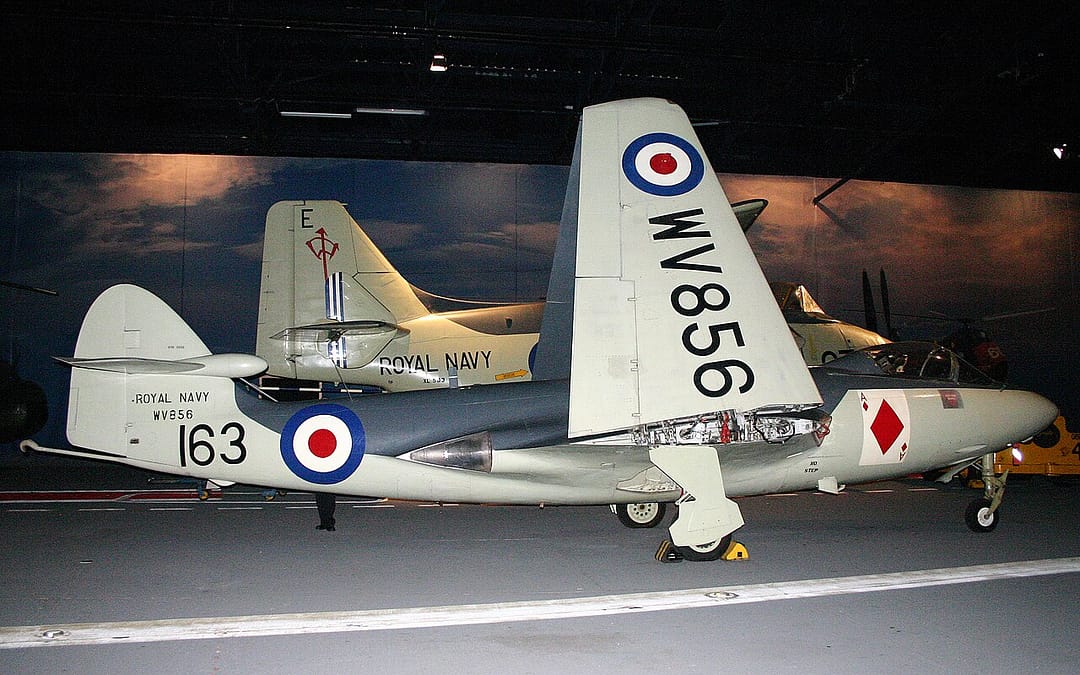
Militarily, Suez worked. In six days, Anglo-French air power destroyed the Egyptian Air Force largely on the ground, paratroops took an airfield, Royal Marines made the first helicopter assault in the history of warfare, and the invasion force held the northern end of...
History & Legends, Military Aviation
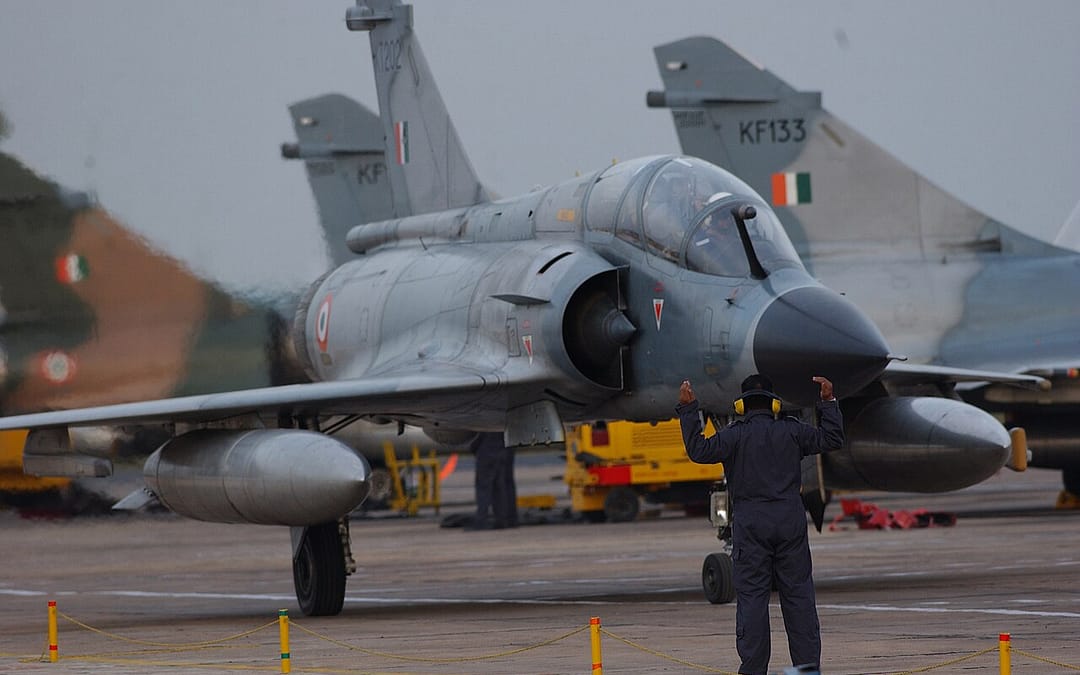
Everything a combat pilot knows about dropping a bomb assumes air. Thick air, at sensible altitudes, where wings generate predictable lift, engines produce rated thrust, and a weapon released at a known speed follows a known arc to the ground. In May 1999 the Indian...
Aviation World, Military Aviation, News
A reporter at Joint Base Andrews on Sunday evening asked President Trump a direct question: the Qatari jet he is now flying as Air Force One does not have antimissile defences, so why is he flying it? The answer confirmed what aviation and security specialists have...
History & Legends, Military Aviation
At 2005 on 17 May 1987, the guided missile frigate USS Stark was told that an Iraqi aircraft had left the mainland and was heading south down the Persian Gulf. This was not alarming. Iraqi aircraft did this most nights, hunting tankers carrying Iranian oil, and they...
History & Legends, Military Aviation
The A Shau valley, 10 March 1966. A Special Forces camp is being overrun by two thousand North Vietnamese regulars. The hills either side rise fifteen hundred feet and the cloud base is at eight hundred, which means any aircraft coming to help has to fly below the...






Recent Comments