

Air traffic control is one of the most stressful jobs on Earth. Controllers are responsible for keeping thousands of aircraft from occupying the same piece of sky at the same time, all while managing delays, weather, emergencies, and pilots who occasionally forget which runway they're on. So how do they cope? With humor — the driest, deadliest, most perfectly timed humor you'll ever hear over a radio frequency. Here are some of the greatest ATC moments ever shared.
Quick Facts
🎙 ATC communications are recorded and archived by regulation
✈️ US controllers handle roughly 45,000 flights per day
🤣 Best source of ATC humor: LiveATC.net recordings
🏆 Most legendary ATC story: The SR-71 speed check tale
The Legendary SR-71 Speed Check

No list of funny ATC moments is complete without the most legendary radio exchange in aviation history. The story, told by SR-71 pilot Brian Shul in his book, describes a busy SoCal frequency where a Cessna pilot asked for a speed readout, then a Beechcraft, then a Navy F-18 — each one faster than the last, each pilot a little smugger. Then the SR-71 crew called in for their speed check. The controller's reading? 1,842 knots across the ground. The Blackbird crew's response? They showed a little more than that on their instruments.
Mic drop at Mach 3.
The Concorde Gets the Last Word
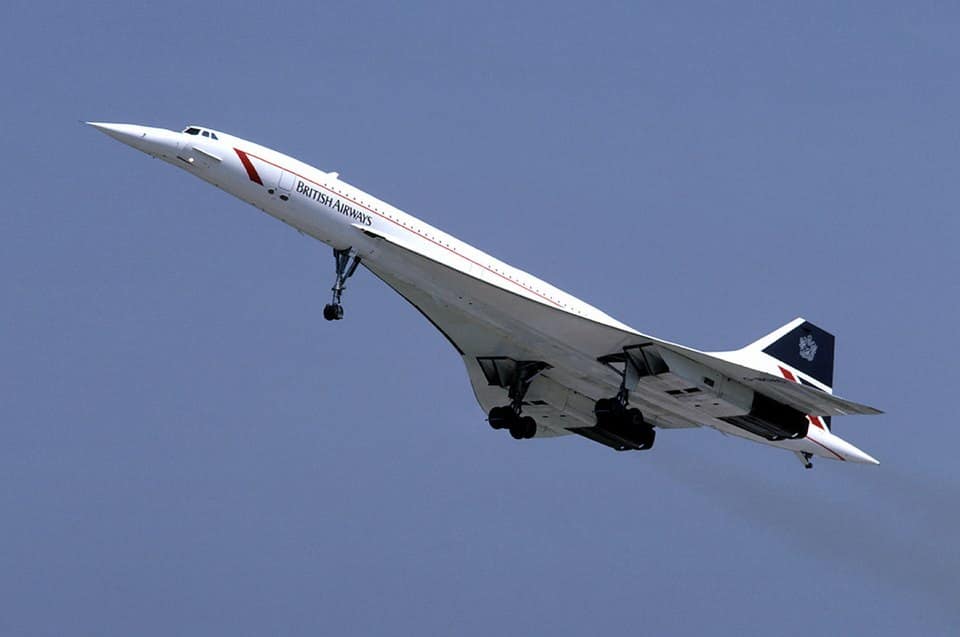
During the Concorde's operational years, a classic exchange reportedly occurred between a Concorde crew and an American fighter pilot on the same ATC frequency. The fighter pilot asked ATC for his speed. After getting it, the Concorde captain — in the most refined British accent imaginable — asked the same question. The Concorde's considerably higher number spoke for itself. As the story goes, the captain may have added that they were actually slowing down at the time.
There's something uniquely devastating about being humbled by an aircraft full of people enjoying afternoon tea at 60,000 feet.
Lost Pilots, Found Comedy

Pilot disorientation has produced some of ATC's finest moments. In one well-known exchange, a confused pilot called up to say he was lost. The controller asked for his last known position. The answer? When he was number one for departure. In another classic, a student pilot admitted to being lost somewhere near the coast. The controller asked what he could see. The student's helpful response: a lot of water.
The Emergency That Wasn't (Sort Of)
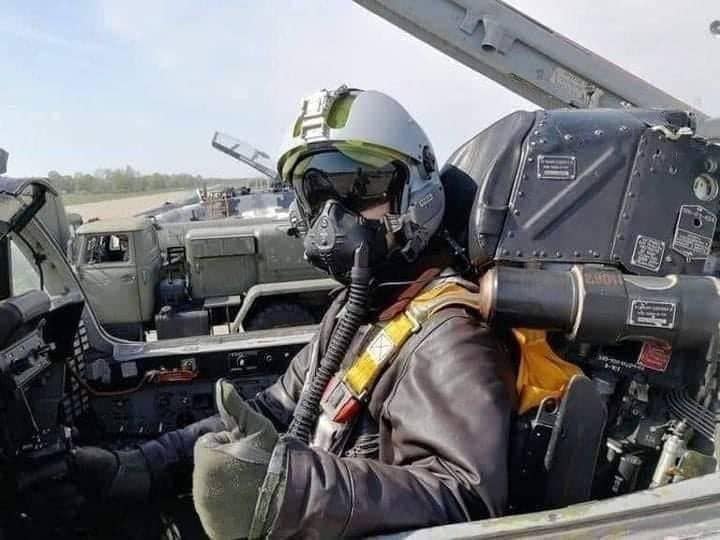
Emergency communications are supposed to be deadly serious, but sometimes even those produce moments of unintentional comedy. In one famous exchange, a pilot declared an emergency because of a strange smell in the cockpit. After diverting and landing, maintenance discovered the source: the co-pilot's tuna sandwich. In another incident, a pilot reported smoke in the cockpit only to discover it was steam from a spilled coffee hitting a warm instrument panel.
Then there's the story where a pilot called Mayday and the controller asked for the nature of the emergency. The pilot's alleged response? A domestic situation involving the airplane's ownership. The controller reportedly paused, then asked the most important procedural question available.
The Art of the Comeback

Controllers are masters of the dry comeback. When a pilot once complained about holding for 30 minutes, the controller reportedly reminded him that time flies when you're having fun — and he was definitely flying. When another pilot asked how far behind the traffic ahead he was, the controller allegedly described it as roughly the distance of a good apology.
Perhaps one of the greatest controller moments came when a foreign airline pilot, struggling with English, asked how he would know when he was on the runway. The controller's response was beautifully simple: the lights would be on either side instead of in front.
The Language Barrier Hall of Fame
English is the official language of international aviation, which means pilots from around the world must communicate in what is often their second, third, or fourth language. This produces gems. A German pilot was once told to report his altitude. His response, reportedly delivered with impeccable German precision: "I am at FL350. And I am the captain." A Japanese airline crew, asked by ATC to "say speed," allegedly responded with a long pause followed by "speedo."
Why Aviation Humor Matters
These moments aren't just funny — they serve a real purpose. Aviation is an industry where stress is constant, the stakes are life-and-death, and communication must be absolutely clear. Humor is the pressure release valve that keeps the whole system from cracking. As any controller or pilot will tell you, the ability to laugh — even in tense situations — is what separates a good aviation professional from a burned-out one.
So the next time you're sitting in an airliner and you hear the pilot crack a joke over the intercom, know that you're witnessing a proud tradition that stretches from the earliest days of flight all the way to Mach 3 speed checks over Southern California.
Sources: "Sled Driver: Flying the World's Fastest Jet" by Brian Shul, LiveATC.net community archives, pilot forums and oral aviation tradition. Some exchanges are paraphrased from widely shared pilot and ATC oral histories.
Related Questions
Are air traffic control communications recorded?
Yes. ATC communications are recorded and archived by regulation, and many are publicly available through services like LiveATC.net. These archives preserve not only routine instructions but also the occasional moments of dry wit that have become aviation legend.
What is the famous SR-71 ground speed check story?
It is aviation's most legendary ATC tale: an SR-71 Blackbird crew, after hearing slower aircraft request ground-speed checks, asks for its own — and ATC reports a speed so high it silences the frequency. The story celebrates the SR-71 Blackbird, the fastest air-breathing aircraft ever to serve.
How many flights do air traffic controllers handle?
US air traffic controllers handle roughly 45,000 flights per day, coordinating takeoffs, landings, routing and separation to keep aircraft safely apart. The sheer volume and pressure of the job are part of why controllers are known for their sharp, deadpan radio humour.
Where can you listen to real ATC recordings?
The best-known source is LiveATC.net, which streams and archives live air traffic control audio from airports worldwide. Because communications are recorded by regulation, enthusiasts can revisit famous exchanges — including the funniest and most quick-witted moments in aviation history.
Why is air traffic control so stressful?
Controllers are responsible for keeping thousands of aircraft from occupying the same airspace at once, while juggling weather, delays and emergencies. The work demands constant precision — and clear communication, which is why understanding rules like IFR and VFR matters so much.

0 Comments