

Nine little red jets, wingtips almost touching, trailing white smoke across a summer sky. For generations of Canadians that image is the air show. After the 2026 season, it changes forever: the Snowbirds are retiring the CT-114 Tutor, the tiny jet they have flown since 1971 — and with it, the team is giving up the jet engine altogether.
The Tutor has been the sound of a Canadian summer for more than half a century. Its replacement will be a turboprop, and it will not arrive for years. So the 2026 display season is not just another tour. It is a long goodbye.
• Flugzeug: Canadair CT-114 Tutor, in RCAF service since 1963
• With the Snowbirds: since 1971 (431 Air Demonstration Squadron)
• Retirement: after the 2026 display season
• Angekündigt: May 2026 at 15 Wing Moose Jaw, Saskatchewan
• Ersatz: CT-157 Siskin II, based on the Pilatus PC-21 turboprop
• Gap: new aircraft not operational until the early 2030s — a multi-year hiatus
The end of an era, made official
Canada’s Defence Minister confirmed the decision in May 2026 at the team’s Moose Jaw home. The government will buy new CT-157 Siskin II aircraft, and 2026 will be the Tutor’s final season in the demonstration role.
It is a genuinely emotional retirement. The Tutor first entered RCAF service in 1963 as a basic jet trainer, and it has been the Snowbirds’ mount since the team formed in 1971. Very few display aircraft anywhere have flown that long in front of the public.
Why the jet has to go
Canada actually tried to keep it flying. Engineers studied extending the Tutor’s life to 2030, but the feasibility work turned up problems with the engine and, critically, the ejection and escape system — the parts of an old jet you cannot compromise on. Once those issues surfaced, stretching the airframe further stopped making sense.
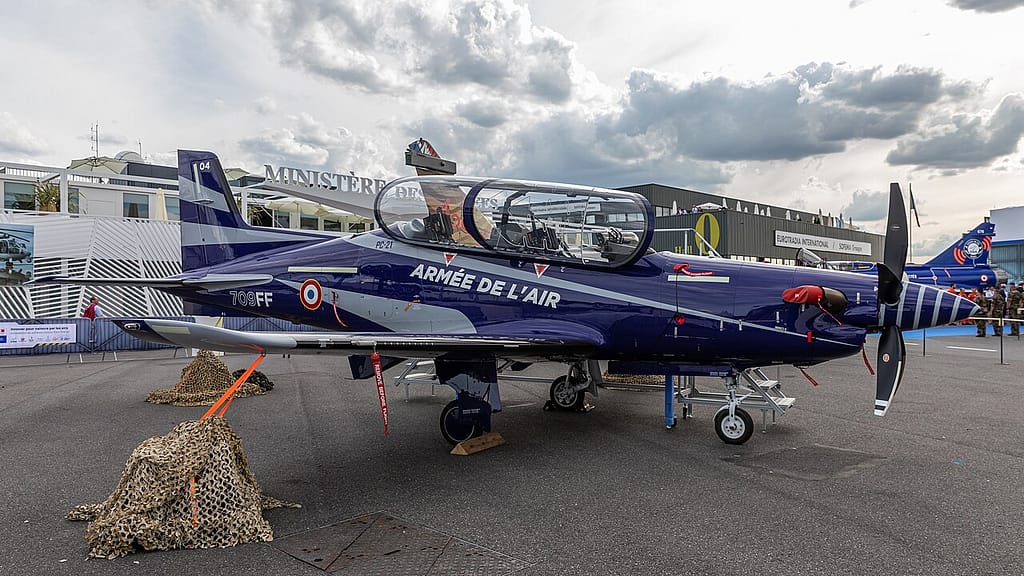
A turboprop future — after a long wait
The replacement, the CT-157 Siskin II, is derived from the Pilatus PC-21, a modern turboprop already used for advanced pilot training around the world. It is powerful, agile and far cheaper to run than a fleet of sixty-year-old jets — but it is not a jet, and for a team defined by the whistle of the Tutor, that is a real cultural shift.
The bigger catch is timing. The new aircraft will not be operational until the early 2030s, which leaves the Snowbirds facing a multi-year pause between the Tutor’s last show and the Siskin’s first. The name will survive. The famous nine-ship will, for a while, fall silent.
Catch them while you can
For anyone within reach of a Canadian air show this summer, the message is simple: this is the last chance to see the Tutor do what it has done since 1971. When the smoke clears at the end of the 2026 season, an aviation institution folds its wings — and it will be years before it flies again.
Sources: Royal Canadian Air Force / Department of National Defence; Skies Magazine; AVweb; SaskToday.
Ähnliche Beiträge

0 Kommentare