
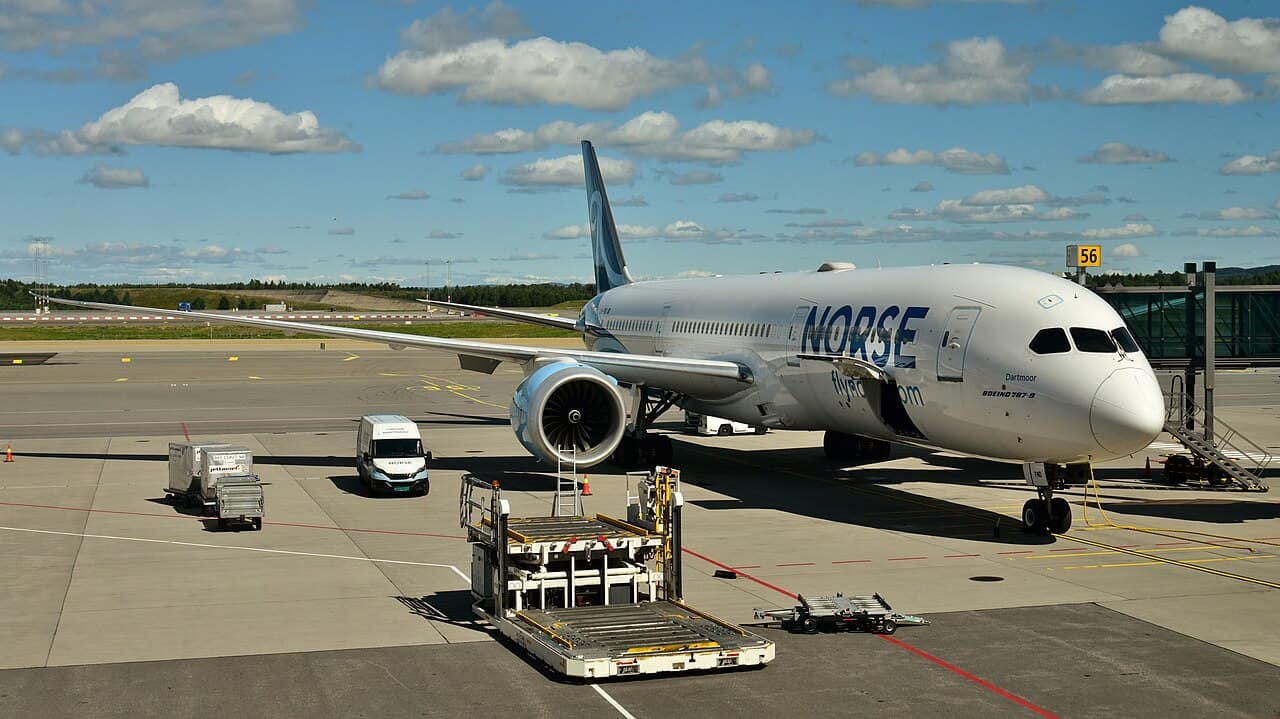
There is a particular kind of turbulence that never shows on the weather radar, and Norse Atlantic Airways flew straight into it this month. The Norwegian long-haul low-cost carrier used its second-quarter results, published on 20 August 2026, to confirm what much of Europe's airline community had suspected: its strategic review has attracted strong interest, and a sale, merger or partnership is now firmly on the table.
The numbers behind that admission are sobering. Norse filled 94% of its seats in the quarter and still posted a first-half net loss of about US$94.6 million. For a carrier built on the elegant promise that the Atlantic could be crossed cheaply in a Dreamliner, the question is no longer about ambition. It is about survival, and about who might step in.
Kurzinfo
| Fluggesellschaft | Norse Atlantic Airways (Norwegian low-cost long-haul) |
| Based | Oslo, Norway |
| Flotte | 12 Boeing 787-9 Dreamliners (leased, 7 to 12 years remaining) |
| Nachricht | Strong interest in a possible sale, merger or partnership |
| Timeline | 787 reallocation decision within about a month; review targeted to close by end-2026 |
| Kontext | Five 787s returning as the IndiGo damp-lease ends 1 November 2026 |
A full cabin that still could not pay its way
On paper, Norse did a great deal right in the quarter. Unit revenue in its own network rose 23% year on year, load factor reached that enviable 94%, and management concentrated flying on its strongest markets. Yet Q2 revenue fell to US$132.0 million from US$202.6 million a year earlier, and earnings swung negative. The culprits are familiar to anyone watching European aviation this year: jet fuel priced far higher than a year ago, and a cost base that simply does not shrink as fast as the schedule.
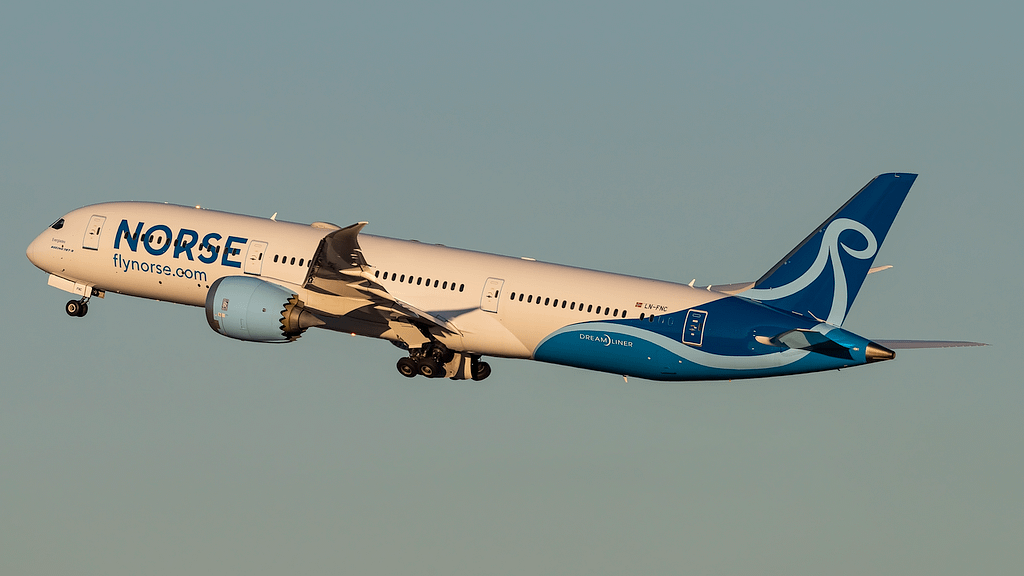
The result puts fresh weight behind the board's decision, taken on 31 July, to move its strategic review into a formal process. Multiple parties have now signed non-disclosure agreements, and the company is targeting completion by the end of 2026. In the meticulous style of a Nordic boardroom, Norse has named no suitor, and neither shall we.
The Dreamliners come home from India
Running in parallel is a more immediate puzzle: what to do with the aircraft returning from IndiGo. The Indian carrier is concluding its damp-lease arrangement on 1 November 2026, sending five 787-9s back to Oslo after one was redelivered earlier. That is a considerable amount of widebody capacity to place, and Norse says a decision on new lease and charter agreements is expected within roughly three to four weeks, with talks under way with several airlines.
Aboard a Norse Atlantic 787-9 from Oslo, the low-cost long-haul model in the cabin.
Afterburner readers will recall we covered the unwinding of that partnership in detail. The fleet itself may prove Norse's most attractive asset: 12 Boeing 787-9s held on leases with seven to twelve years to run and, crucially, no price or inflation adjustments. Whether a buyer wants the airline, its operating platform, or simply that flexible Dreamliner fleet remains the open question. Norse has meanwhile shored up its balance sheet with a US$52 million senior secured facility signed on 19 August, and plans additional winter flying to New York and Orlando.
For now, the low-cost long-haul dream endures, though its next chapter may be written by someone else. From this side of the Atlantic, one watches with a mixture of admiration and concern, the customary posture toward any airline brave enough to make the sums work.
Sources: FlightGlobal, Airways, Travel Gossip


0 Kommentare