
Kurzinfo
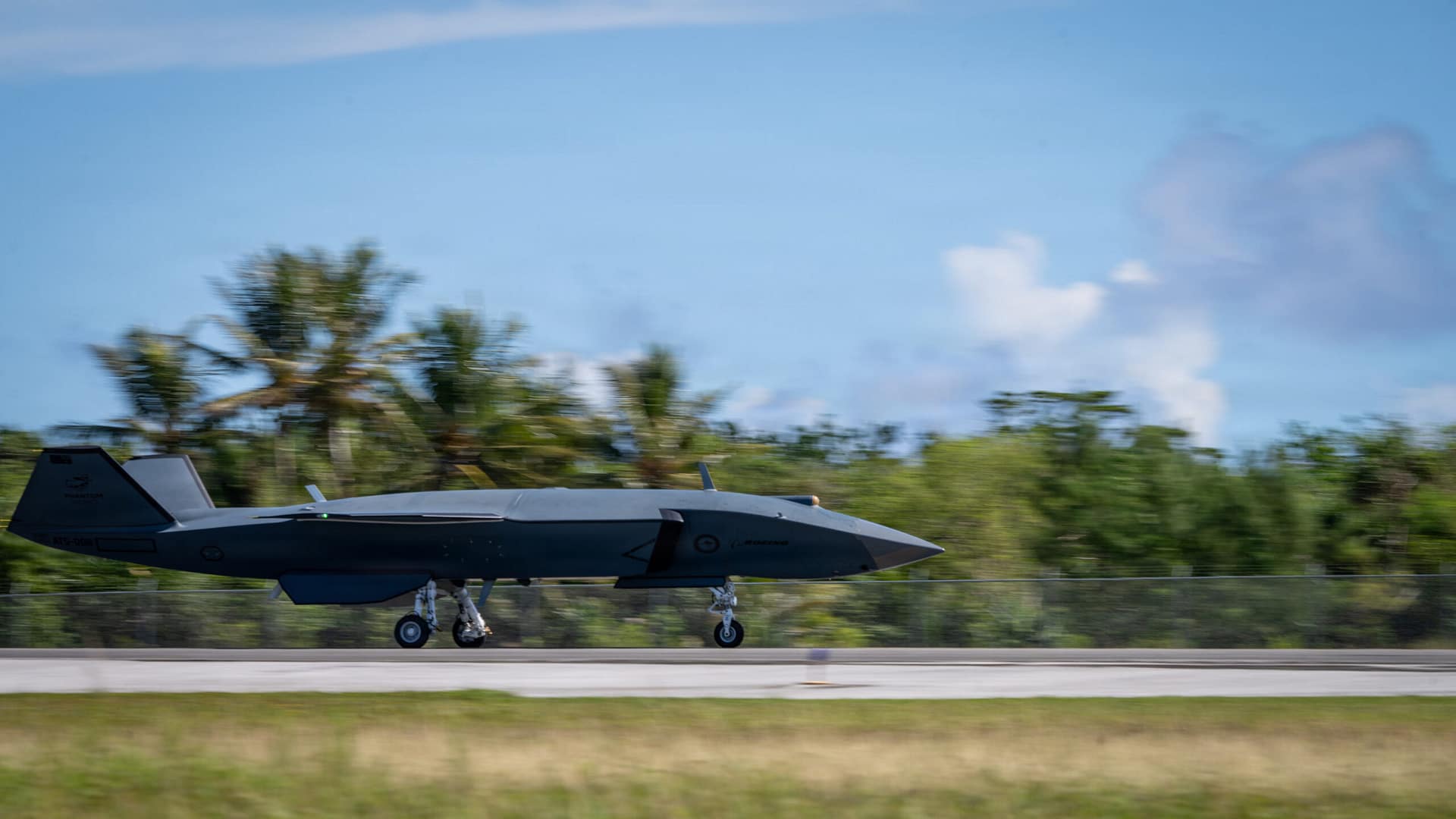
- Flugzeug: Boeing Defence Australia MQ-28A Ghost Bat (Serienrepräsentatives Testflugzeug ATS-008)
- Übung: Valiant Shield 2026, 23. Juni – 1. Juli
- Standort: Rota, Commonwealth der Nördlichen Marianen
- Missionen: Defensive und offensive Luftabwehr zusammen mit bemannten Jagdflugzeugen
- Sensor: IRST (Infrarot-Such- und Verfolgungssystem) in der Nase
- Bedeutung: Erste Teilnahme einer MQ-28 an einer multinationalen Übung
Eine Drohne, die mit Kampfflugzeugen fliegt, nicht anstelle von ihnen.
Das in Rota eingesetzte Flugzeug ist die ATS-008, ein Serienmodell der Ghost Bat, das zuvor für Testflüge von der NAS Point Mugu in Kalifornien aus eingesetzt wurde. Es kam mit einem Infrarot-Such- und Verfolgungssensor in der Nase an – eine Konfiguration, die es ihm ermöglicht, feindliche Flugzeuge aufzuspüren, ohne seine Position auf dem Radar preiszugeben.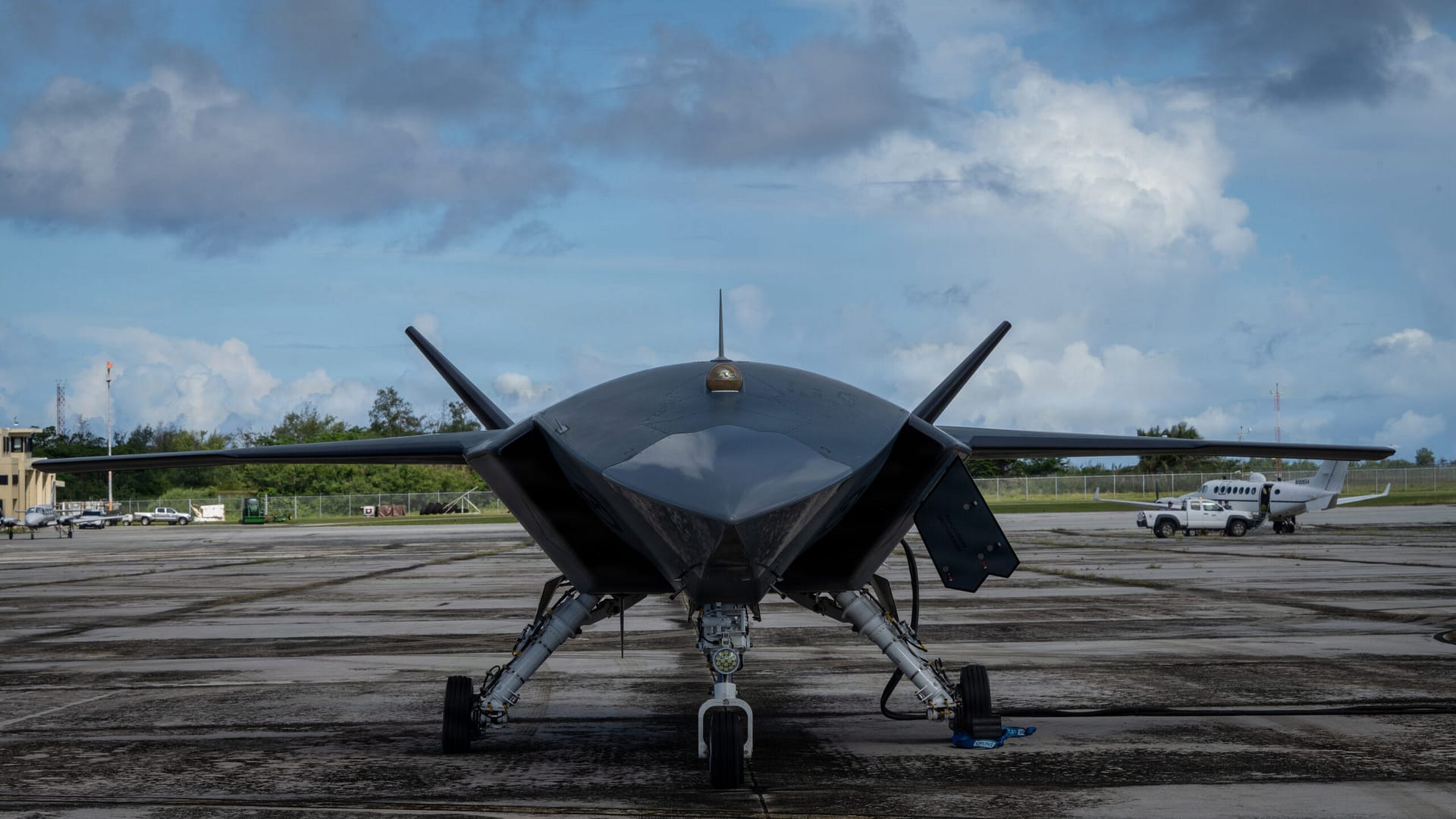
Warum Rotation wichtig ist
Die Wahl von Rota – einer kleinen Insel mit begrenzter Infrastruktur – ist bewusst getroffen. Die Pacific Air Forces testen dort die Ghost Bat im Rahmen des Konzepts „Agile Combat Employment“, das Flugzeuge auf einfachen Flugplätzen verteilt, um sie schwerer angreifbar zu machen. In einem realen Konflikt mit China wären die riesigen Stützpunkte auf Guam und Kadena Hauptziele für Raketenangriffe. Kleine Landebahnen wie Rota könnten autonome Drohnen im Einsatz halten, wenn die großen Start- und Landebahnen zerstört sind. Australische Luftwaffenbeobachter sind in die US-geführte MQ-28-Operationskomponente integriert, was die australische Herkunft des Flugzeugs unterstreicht. Boeing Defence Australia baute die Ghost Bat in seinem Werk in Toowoomba, Queensland – das erste in Australien entwickelte und gebaute Kampfflugzeug seit über 50 Jahren.Vom Testobjekt zum Kampfwerkzeug
Die Royal Australian Air Force (RAAF) betreibt derzeit acht Ghost Bats des Typs Block 1, während Boeing die erste von neun Varianten des Block 2 baut. Der entscheidende Fortschritt erfolgt jedoch mit Block 3, der am 10. Juni auf der ILA Berlin vorgestellt wurde: eine um 25 Prozent größere Flugzeugzelle mit 5.443 kg Schubkraft, internen Waffenschächten für AIM-120 AMRAAMs oder GBU-39 Small Diameter Bombs und einer deutlich größeren Reichweite. Die operative Einführung bei der RAAF ist für 2028 geplant. Valiant Shield 2026 dient als Testfeld. Über 150 Testflüge und 20.000 Stunden digitaler Validierung haben die MQ-28 bis zu diesem Punkt gebracht. Nun muss sie beweisen, dass sich eine autonome Drohne nahtlos in das Chaos einer Großübung mit Hunderten von Flugzeugen, Schiffen und Bodeneinheiten integrieren lässt, die gleichzeitig operieren. An der Übung nehmen auch die Flugzeugträgerkampfgruppe USS George Washington, das in Japan für Übungen zur Seekriegsführung stationierte Mittelstreckenraketensystem Typhon und die MV-22 Osprey des Marine Corps teil – aber keines dieser Elemente wird so viele Fragen über die Zukunft der Kriegsführung aufwerfen wie der unbemannte Jet, der still auf dem Flugfeld von Rota steht.Quellen: Pacific Air Forces, The War Zone, DVIDS, Boeing Defence Australia
Verwandte Fragen
Was ist die Boeing MQ-28 Ghost Bat?
Die MQ-28A Ghost Bat ist eine autonome Kampfdrohne, die von Boeing Defence Australia entwickelt wurde. Sie ist für den Einsatz an der Seite bemannter Kampfflugzeuge und nicht als deren Ersatz konzipiert und stellt einen neuen Ansatz für den Luftkampf dar. Im Juni 2026 nahm sie als erstes Fluggerät dieser Art an einer multinationalen Großübung teil.
Was ist eine loyale Flügelmanndrohne?
Ein loyaler Flügelmann ist eine autonome Drohne, die bemannte Kampfflugzeuge begleitet und deren Sensoren und Feuerkraft erweitert, während sie die Piloten aus den gefährlichsten Gebieten fernhält – ein Konzept, das als Mensch-Maschine-Teaming bekannt ist. Die Ghost Bat hat dies bereits an der Seite bemannter Jets demonstriert, unter anderem in ihrem ersten Einsatz. im Team mit einer F-15EX.
Was ist die Übung Valiant Shield?
Valiant Shield ist das wichtigste Pazifik-Kriegsspiel des US-Militärs. Die Ausgabe 2026 fand vom 23. Juni bis 1. Juli auf den Marianen, Guam, Hawaii, Japan und Australien statt, wobei Streitkräfte der Vereinigten Staaten, Australiens, Japans, Kanadas und Neuseelands unter integrierten, domänenübergreifenden Bedingungen operierten.
Welchen Sensor trägt die MQ-28 Ghost Bat?
Die auf Rota stationierte Ghost Bat mit der Kennung ATS-008 war mit einem Infrarot-Such- und Verfolgungssensor (IRST) im Bug ausgestattet. IRST ermöglicht es dem Flugzeug, feindliche Flugzeuge passiv aufzuspüren, indem es deren Wärmesignaturen erfasst, ohne die eigene Position auf dem Radar zu veröffentlichen.
Mit welchem Flugzeug fliegt die Ghost Bat?
Während Valiant Shield 2026 flog die MQ-28 Seite an Seite mit bemannten F-22 Raptors und F-35A Lightning IIs in defensiven und offensiven Luftabwehrmissionen. Die Tests sind Teil eines umfassenderen Vorhabens zur autonome Kampfflugzeuge die als Teamkollegen zu gesteuerten Jets fungieren.
Ähnliche Beiträge
0 Kommentare