
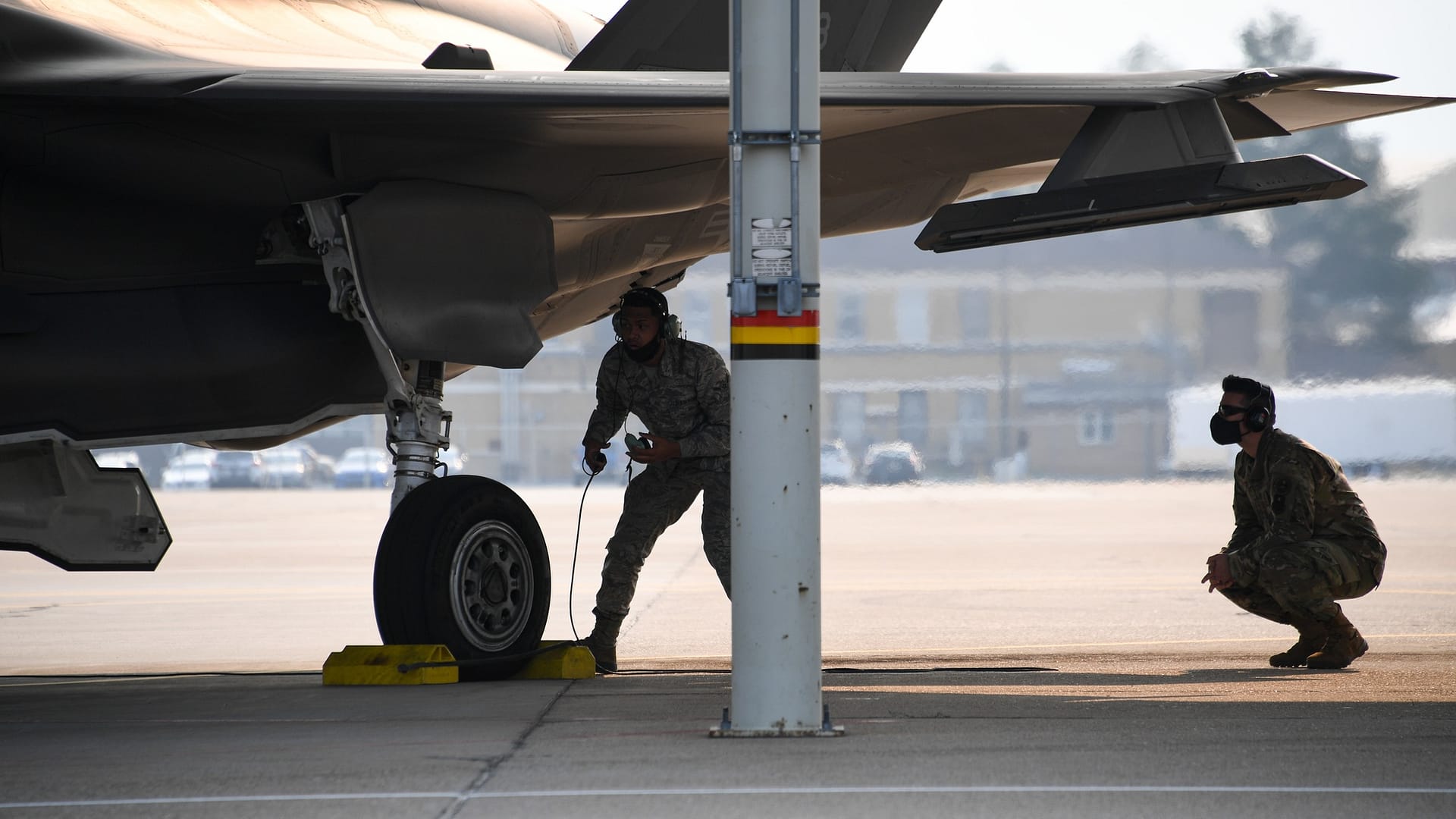
Der Marinegeneral, der das Kommando hat F-35 Das Programm betrat diese Woche eine Senatsanhörung und sprach das aus, was man sonst nicht hört: Das teuerste Waffenprogramm der Geschichte ist dem System, das für seinen Betrieb gebaut wurde, entwachsen.
Die Meldung erfolgte wenige Wochen, nachdem ein Bericht des Government Accountability Office (GAO) die Einsatzbereitschaft der F-35 auf den niedrigsten Stand seit Beginn der Aufzeichnungen beziffert hatte – nur etwa ein Viertel der Jets war in der Lage, alle ihr zugewiesenen Missionen zu fliegen. Die Darstellung des Programmchefs selbst war noch deutlicher. Er habe mehr als 1.300 Jets erhalten, erklärte er den Senatoren, und eine Instandhaltungsorganisation, die nur für etwa die Hälfte dieser Anzahl ausgelegt sei.
Das ist kein Kritiker, der da spricht. Das ist der Verantwortliche.
Kurzinfo
| Was | Laut GAO befindet sich die Einsatzbereitschaft der F-35 auf dem niedrigsten Stand seit Beginn der Aufzeichnungen (Juni 2026). |
| Vollständig einsatzfähig | Etwa eines von vier Flugzeugen (kann alle zugewiesenen Missionen fliegen) |
| Einsatzfähig (für jede Mission) | Der Wert sank von 671 TP3T (Geschäftsjahr 2021) auf 441 TP3T; das Programmbüro gibt 561 TP3T an. |
| Flotte vs. Unterstützung | Mehr als 1.300 Jets; ein Instandhaltungssystem “ausgelegt auf etwa 7 bis 800” |
| Programmleiter | Generalleutnant Gregory Masiello, Leiter des F-35 Joint Program Office |
| Pentagon fragt | Ein gemeldeter nachhaltiger Aufschwung von ~$13,7 Milliarden |
Einer von vier
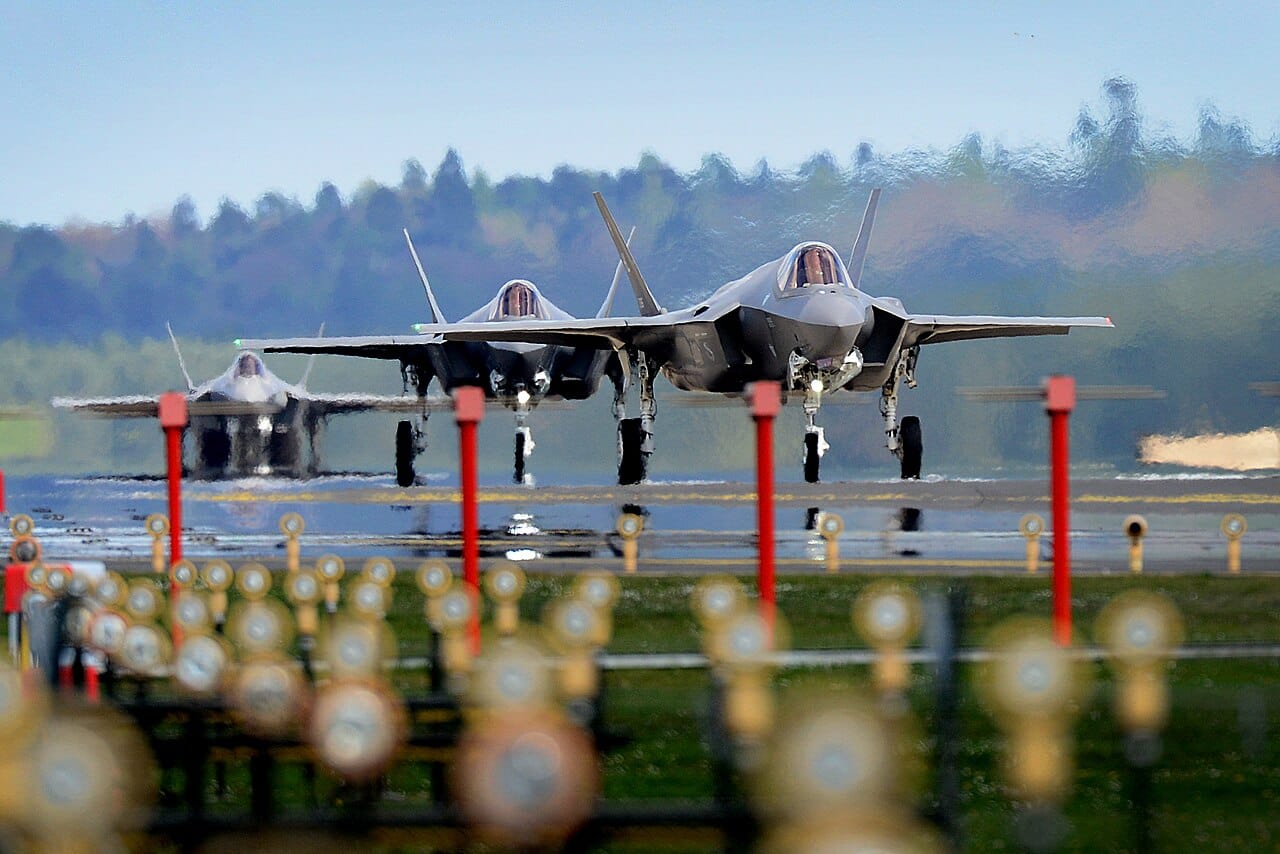
Die Zahl des GAO ist diejenige, die schmerzt: ungefähr 251.000 Tonnen F-35 sind voll Einsatzfähig, d. h. bereit für jede mögliche Aufgabe. Die Gesamteinsatzbereitschaft – also die Anzahl der Jets, die mindestens eine Missionsart fliegen können – ist von 671 TP3T im Fiskaljahr 2021 auf 441 TP3T gesunken. Masiello bezifferte die Zahl höher auf 561 TP3T und begründete dies mit unterschiedlichen Zählmethoden. Fakt ist: Im Durchschnitt sind etwa 44 bis 56 Prozent der modernsten Tarnkappenjäger des Westens einsatzbereit.
Eine Pipeline, die für eine kleinere Luftwaffe gebaut wurde
Das Kernproblem sind nicht die Flugeigenschaften des Jets, sondern alles, was dahintersteckt. Ersatzteile, Reparaturdepots und ausgebildetes Wartungspersonal waren für eine Flotte ausgelegt, die nur einen Bruchteil der heutigen Größe hatte, und trotzdem wuchs die Flotte immer weiter. Masiello brachte es dem Airland-Unterausschuss in einem einzigen Satz auf den Punkt.
Anders ausgedrückt: Die Fabrik war der Werkzeugkiste voraus. Jedes neue Flugzeug, das vom Band läuft, landet im selben überlasteten Netzwerk von Teilen und Mitarbeitern.
$13,7 Milliarden und ein langer Weg
Die Lösung erfordert Geld und Zeit. Das Pentagon strebt Berichten zufolge eine Aufstockung der Mittel für die Instandhaltung um rund 13,7 Milliarden US-Dollar an, und das GAO (Government Accountability Office) fordert vom Programm eine aktualisierte Strategie, die die bestehende Lücke tatsächlich schließt, anstatt sie nur zu kaschieren. All dies lässt sich nicht über Nacht umsetzen – der Aufbau von Depots, Lieferketten und qualifiziertem Instandhaltungspersonal dauert Jahre, nicht nur wenige Quartale.
Die unbequeme Lehre, die der gesamten Anhörung zugrunde liegt, lautet: Man kann Tarnkappenjäger schneller bauen als die langweilige Technik, die sie flugfähig hält. Die F-35 hat gerade auf rekordverdächtige Weise daran erinnert bekommen, was letztendlich den Krieg gewinnt.
Quellen: Military Times; US Government Accountability Office; Air & Space Forces Magazine; Breaking Defense.
Verwandte Fragen
Wie viele F-35 sind einsatzbereit?
Ein GAO-Bericht vom Juni 2026 ergab, dass nur etwa ein Viertel der F-35 voll einsatzfähig war, also alle zugewiesenen Missionen fliegen konnte. Die allgemeine Einsatzfähigkeitsrate – also die Anzahl der Jets, die mindestens eine Mission fliegen können – sank von 671 TP3T im Jahr 2021 auf 441 TP3T, obwohl das Programmbüro eine höhere Zahl von 561 TP3T angibt.
Was sagte der Leiter des F-35-Programms zur Einsatzbereitschaft?
Generalleutnant Gregory Masiello erklärte vor einem Unterausschuss des Senats, dass die F-35-Flotte das bestehende Unterstützungssystem überlastet habe. Er sagte, das Programm betreibe mehr als 1.300 Flugzeuge, verfüge aber über ein Instandhaltungssystem, das nur für etwa 700 bis 800 Maschinen ausgelegt sei.
Wer ist für das F-35-Programm verantwortlich?
Generalleutnant Gregory Masiello vom Marine Corps leitet das F-35 Joint Program Office, die Organisation, die für die Entwicklung, den Einsatz und die Instandhaltung der F-35 für das US-Militär und internationale Partner verantwortlich ist. Er übernahm diese Funktion im Jahr 2025.
Warum ist die Einsatzbereitschaft der F-35 so gering?
Der Hauptgrund ist die Instandhaltung, nicht das Flugzeug selbst. Ersatzteile, Reparaturdepots und ausgebildetes Wartungspersonal waren für eine deutlich kleinere Flotte ausgelegt, und die Anzahl der Jets wuchs stetig über die Kapazität dieses Unterstützungsnetzes hinaus, was die Einsatzbereitschaft beeinträchtigte.
Wie viele F-35 wurden gebaut?
Mehr als 1.300 F-35 sind derzeit bei den US-Streitkräften und Partnernationen im Einsatz, und die Produktion läuft weiter. Diese wachsende Flotte ist ein Hauptgrund dafür, dass das bestehende Instandhaltungssystem nicht mehr ausreicht.
Was wird unternommen, um die Einsatzbereitschaft der F-35 zu verbessern?
Das Pentagon beantragt Berichten zufolge zusätzliche Mittel in Höhe von rund 13,7 Milliarden US-Dollar für die Instandhaltung, und das GAO hat eine aktualisierte Instandhaltungsstrategie gefordert. Der Aufbau von Depots, die Sicherstellung der Ersatzteilversorgung und die Ausbildung von Instandhaltungspersonal werden voraussichtlich Jahre dauern.
Ähnliche Beiträge

0 Kommentare