
The Islamic Revolutionary Guard Corps struck American military installations across the Persian Gulf on Sunday, launching ballistic missiles and armed drones at bases in Kuwait and Bahrain in what Tehran called a direct response to US strikes on Iranian targets near the Strait of Hormuz the previous day. It was the most geographically dispersed Iranian attack on American forces since the war began on 28 February.
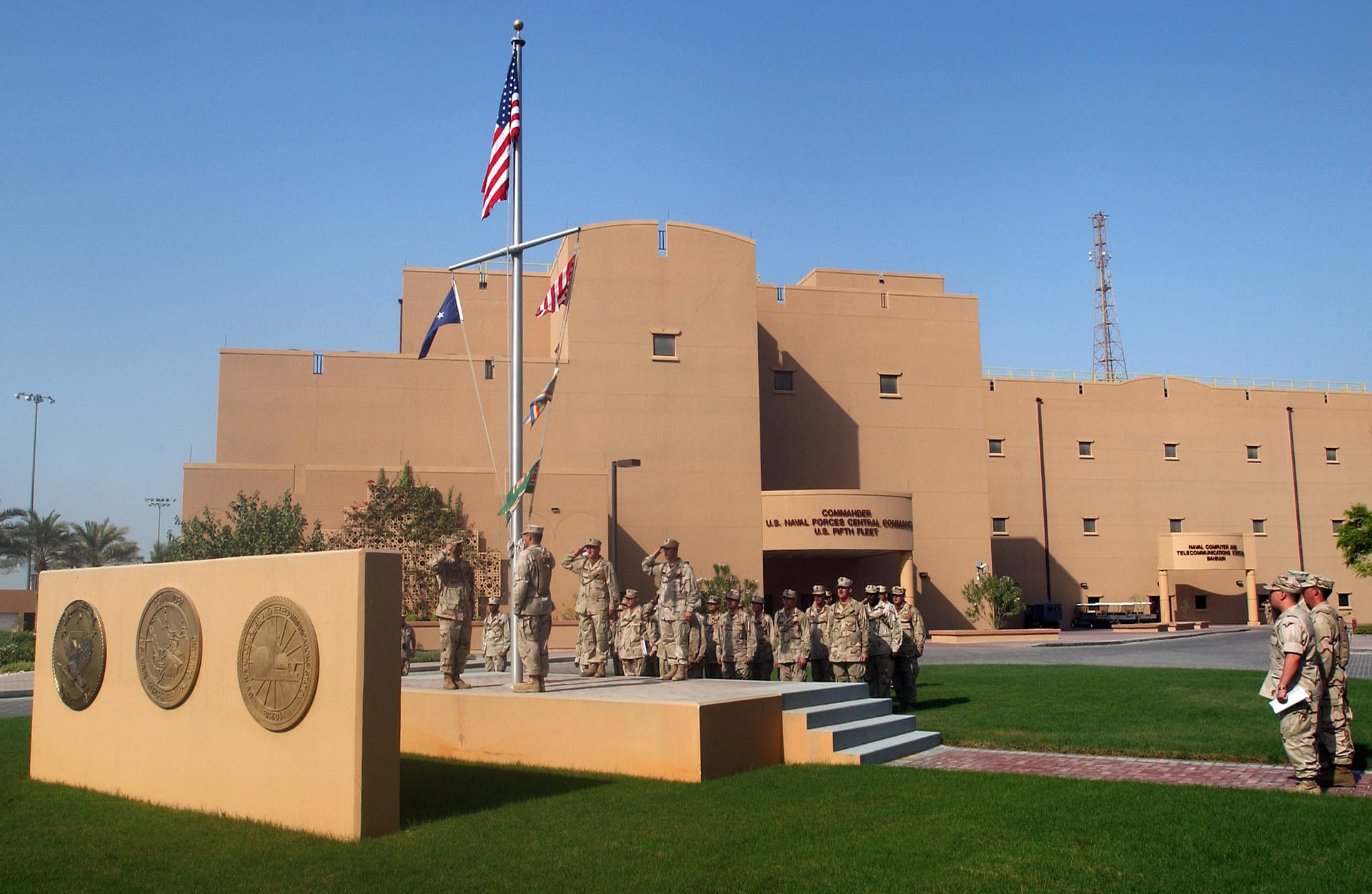
The IRGC confirmed it targeted Ali Al Salem Air Base Und Ahmad Al Jaber Air Base in Kuwait, as well as Sheikh Isa Air Base in Bahrain and the US Fifth Fleet headquarters at Port Salman. Qatar's Ministry of Defence also reported that Al Udeid Air Base — home to US Central Command's forward headquarters — was hit, though it said no casualties resulted.
The Tit-for-Tat Spiral
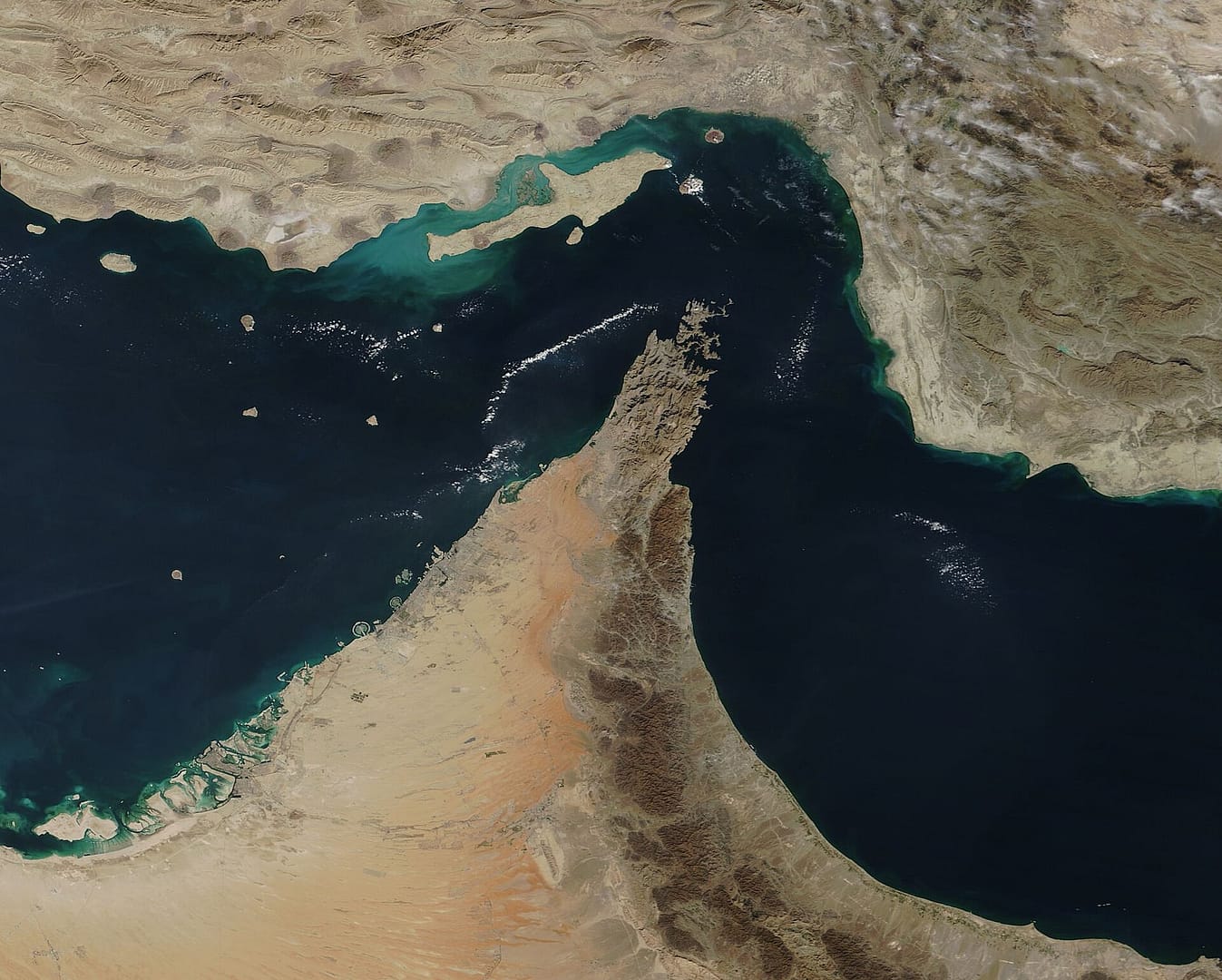
The attacks came barely 24 hours after US Central Command struck ten Iranian military targets at Sirik, Bandar-e Lengeh, and Qeshm Island — all locations controlling the southern approaches to the Strait of Hormuz. CENTCOM said those strikes were in response to an Iranian drone attack on the Kiku, a Panama-flagged oil tanker carrying more than two million barrels of crude oil through the strait early on Saturday.
The previous day, Iran had also hit the Singapore-registered container ship Ever Lovely with a drone, prompting the International Maritime Organization to suspend its plan to evacuate commercial ships stranded in the strait since Iran blocked the waterway at the start of the war.
The Pentagon reported no US casualties and no significant damage to any of the targeted installations. But the political fallout was immediate.
Regional Condemnation
Bahrain called the attacks a "dangerous escalation" that violated its sovereignty. Kuwait described them as "repeated, heinous" aggressions and a "flagrant violation" of its sovereignty. Qatar condemned the strikes and called on all parties to "spare the region the consequences of unjustified attacks." The UAE labelled them a "blatant violation" and a "threat to security and stability." Jordan called them a "dangerous escalation and a blatant breach of international law."
Even Oman — which has served as a quiet intermediary throughout the crisis — issued a rare statement "rejecting all actions that threaten the security and stability of the region."
The Ceasefire Under Strain
The Memorandum of Understanding signed by the US and Iran on 17 June established a 60-day ceasefire and committed Iran to facilitate "safe passage of commercial vessels" through the Strait of Hormuz — the chokepoint through which roughly 20 percent of the world's oil flows. Iran had blocked the waterway at the war's outset, triggering a global energy crisis that sent oil prices above $150 a barrel.
President Trump posted on social media late Saturday: "There may come a point when we are no longer able to be reasonable, and will be forced to militarily complete the job that we very successfully started. If that happens, the Islamic Republic of Iran will no longer exist!"
Iranian Foreign Minister Abbas Araghchi, speaking from Iraq on Sunday, warned that "the Strait of Hormuz remains under the total oversight and management of Iran" for the next 30 days and that "any new developments will result in exacerbating the situation and delaying the opening of the strait."
The Aviation Dimension
For the air forces involved, the weekend's events highlight just how exposed forward-deployed American airpower remains in the Gulf. Ali Al Salem hosts F-16 Fighting Falcons and A-10 Thunderbolt IIs. Al Udeid is the hub for KC-135 tankers, E-8 JSTARS surveillance aircraft, and RQ-4 Global Hawks. Sheikh Isa Air Base in Bahrain supports both US Navy and Air Force operations.
The IRGC's ability to hit five bases across three countries simultaneously with ballistic missiles and drones underscores a capability that Western planners have long warned about: Iran's massive arsenal of medium-range ballistic missiles — estimated at more than 3,000 — can saturate air defences across the Gulf in a way that individual strikes cannot.
Defence analyst Wolfgang Pusztai told Al Jazeera that while neither side has an interest in wider escalation, "if a larger number of civilians are getting killed in the Arab Gulf states, if an American base is hit severely so that American soldiers are killed, this might easily get out of control."
With eleven days of the MoU's 60-day window already consumed and the strait still effectively closed, the question is whether diplomacy can outrun the tit-for-tat cycle — or whether the next Iranian salvo, or the next American response, pushes both sides past the point of no return.
Verwandt: Flugzeugträger greifen Iran wegen des Hormuz-Tankers an
Sources: Al Jazeera, CNN, NPR, NBC News
Verwandte Fragen
Was ist die Straße von Hormuz?
The Strait of Hormuz is a narrow waterway at the mouth of the Persian Gulf through which roughly 20 percent of the world’s oil transits. Its strategic importance makes it a recurring flashpoint; Iran blocked the strait during the conflict that began in February 2026, disrupting global commercial shipping.
What is the IRGC?
The IRGC, or Islamic Revolutionary Guard Corps, is a branch of Iran’s armed forces. In the June 2026 escalation it launched ballistic missiles and armed drones at US military bases across the Persian Gulf, describing the strikes as a response to earlier US strikes on Iranian targets.
Where is Al Udeid Air Base?
Al Udeid Air Base is in Qatar and serves as the forward headquarters of US Central Command. Qatar’s Ministry of Defence reported the base was among those hit during Iran’s June 2026 attacks, though it said no casualties resulted.
Which US bases did Iran target in June 2026?
The IRGC said it targeted Ali Al Salem and Ahmad Al Jaber air bases in Kuwait, Sheikh Isa Air Base and the US Fifth Fleet headquarters at Port Salman in Bahrain, and Al Udeid Air Base in Qatar. The Pentagon reported no US casualties and no significant damage to the installations.
What triggered the June 2026 US–Iran escalation?
The strikes followed a tit-for-tat spiral over shipping in the Strait of Hormuz. After Iranian drone attacks on the oil tanker Kiku and container ship Ever Lovely, US Central Command hit ten Iranian military targets, prompting the IRGC’s retaliatory barrage. Tensions traced to a war that began on 28 February 2026, echoing earlier flashpoints in the strait.

0 Kommentare