
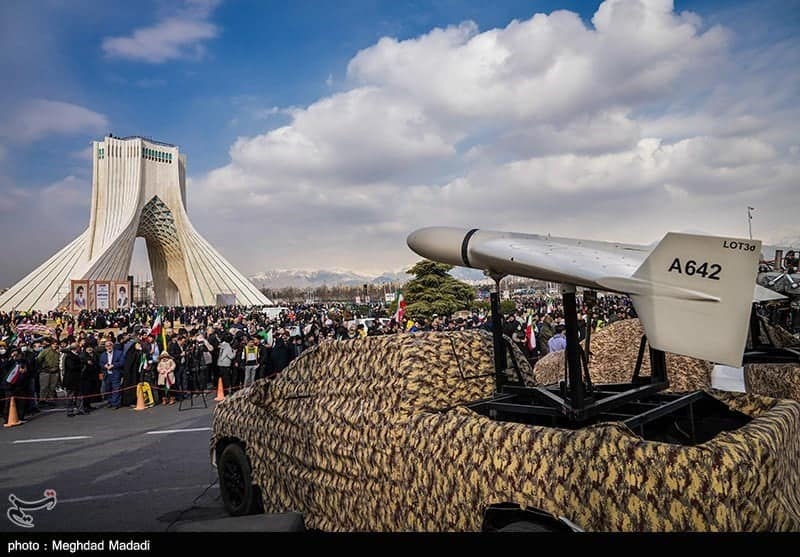
Somewhere over Ukraine tonight, a lawnmower engine bolted to a warhead is droning toward a city. It is called a Shahed-136, Russia stamps out its own copies as the Geran-2, and it costs somewhere between twenty and fifty thousand dollars. The problem has never been shooting one down. The problem is the receipt. Firing a $4 million Patriot missile at a $30,000 flying moped is the kind of maths that wins the battle and loses the war.
Now a 21-year-old wants to fix that with something that launches like a potato gun.
Datos rápidos
- Product: SPART, a pneumatically launched, foldable quadcopter interceptor drone
- Founder: Yehor Balytskyi, a self-taught Ukrainian engineer (left Ukraine at 17 in 2022, now ~21), CEO of Thermopylae Aerospace; co-founder Carter Scherer
- Costo: Designed for high-volume manufacture at roughly under US$10,000 per unit
- Método: Thermal-guided; flies into large attack drones (Group 2 threats such as the Shahed) rather than using an expensive rocket-motor missile; recoverable if it misses
- Speed / endurance: Up to 350 km/h (217 mph); up to ~20 minutes flight time
- Backing: California startup founded June 2025; raised US$1.6M pre-seed (Nov 2025) from Naval Ravikant and Ukraine-focused VC UA1; grew from 2 to ~5 people
- Venue: End-to-end demo at Edwards Air Force Base during Game of Drones 26-2 (16 July 2026), briefing Air Force Test Center commander Brig. Gen. Mark Massaro
The trade that doesn’t add up
Air defence has a dirty little secret: the attacker sets the price. Russia can build Shaheds by the thousand and fling them at Ukrainian power stations knowing that every interceptor sent up to meet them costs the defender more than the drone cost to build. Swarm enough of them and you don’t need to get through, you just need to make the other side run out of money before they run out of sky. It is economic warfare dressed up as a drone.
The counter, everyone now agrees, is to flip the arithmetic. If you can kill a $30,000 Shahed with something that costs a few thousand, you win the exchange every single time. Ukraine figured this out first, out of grim necessity, and Afterburner has been on the story for a while, from the interceptor you cannot afford a the $20,000 rocket that kills drones. The newest entry in the ledger comes from an unlikely place: a California garage-sized startup founded by a young man who fled the war he is now trying to end.
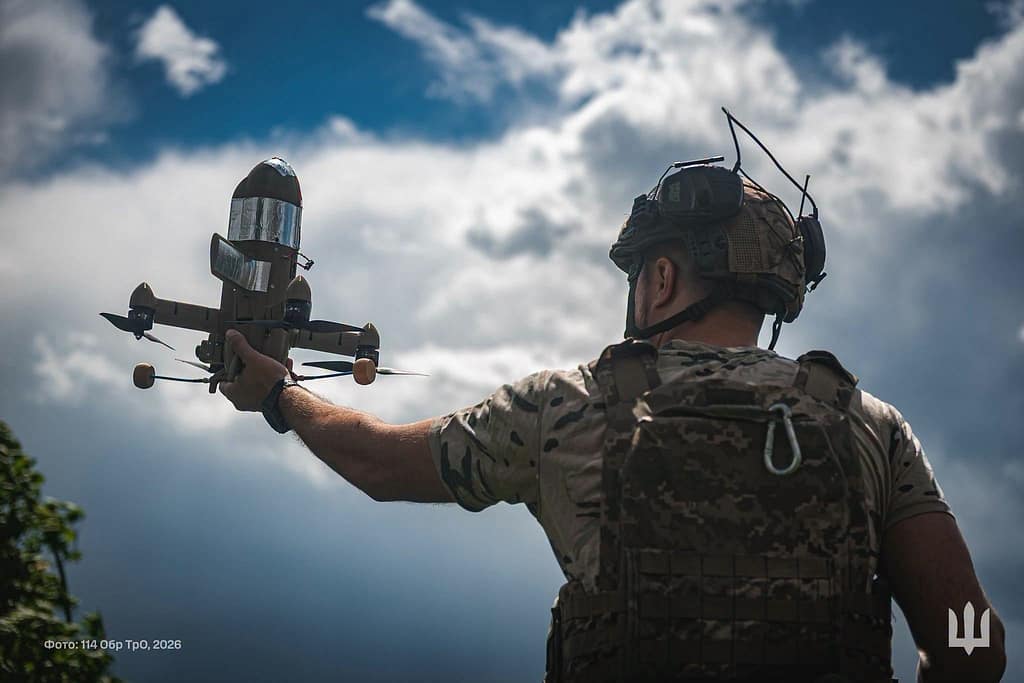
Meet SPART
SPART is the product. Thermopylae Aerospace is the company. Yehor Balytskyi is the founder, and if the name Thermopylae rings a bell, 300 outnumbered defenders holding a narrow pass against an empire, that is very much the pitch.
Here is how SPART works, and it is delightfully un-missile-like. It is a foldable quadcopter that gets fired out of a pneumatic tube, essentially a compressed-air mortar, or if you prefer, a very serious potato gun. Once airborne it unfolds, lights up its rotors, and goes hunting using thermal guidance, following the heat signature of that lawnmower engine straight to the source. It reaches up to 217 mph (350 km/h) and can loiter for around 20 minutes waiting for a target.
And the party trick: it is not necessarily one-and-done. Unlike a missile, which is gone the instant you fire it, SPART is designed with a partial-reuse capability. Miss your Shahed? There is a decent chance you can recover the drone and send it up again. Try doing that with a Patriot.
Built in a garage-sized team
Balytskyi’s story is the sort of thing that sounds invented. He is self-taught. He left Ukraine at 17 when Russia’s full-scale invasion began in 2022, kicked around European tech companies and an accelerator in London, then landed in the United States in early 2025 where he met his co-founder, Carter Scherer. Thermopylae was born in June 2025. By November it had pulled in $1.6 million in pre-seed funding, backers include AngelList’s Naval Ravikant and the Ukraine-focused fund UA1, and grew from two people to a whole five.
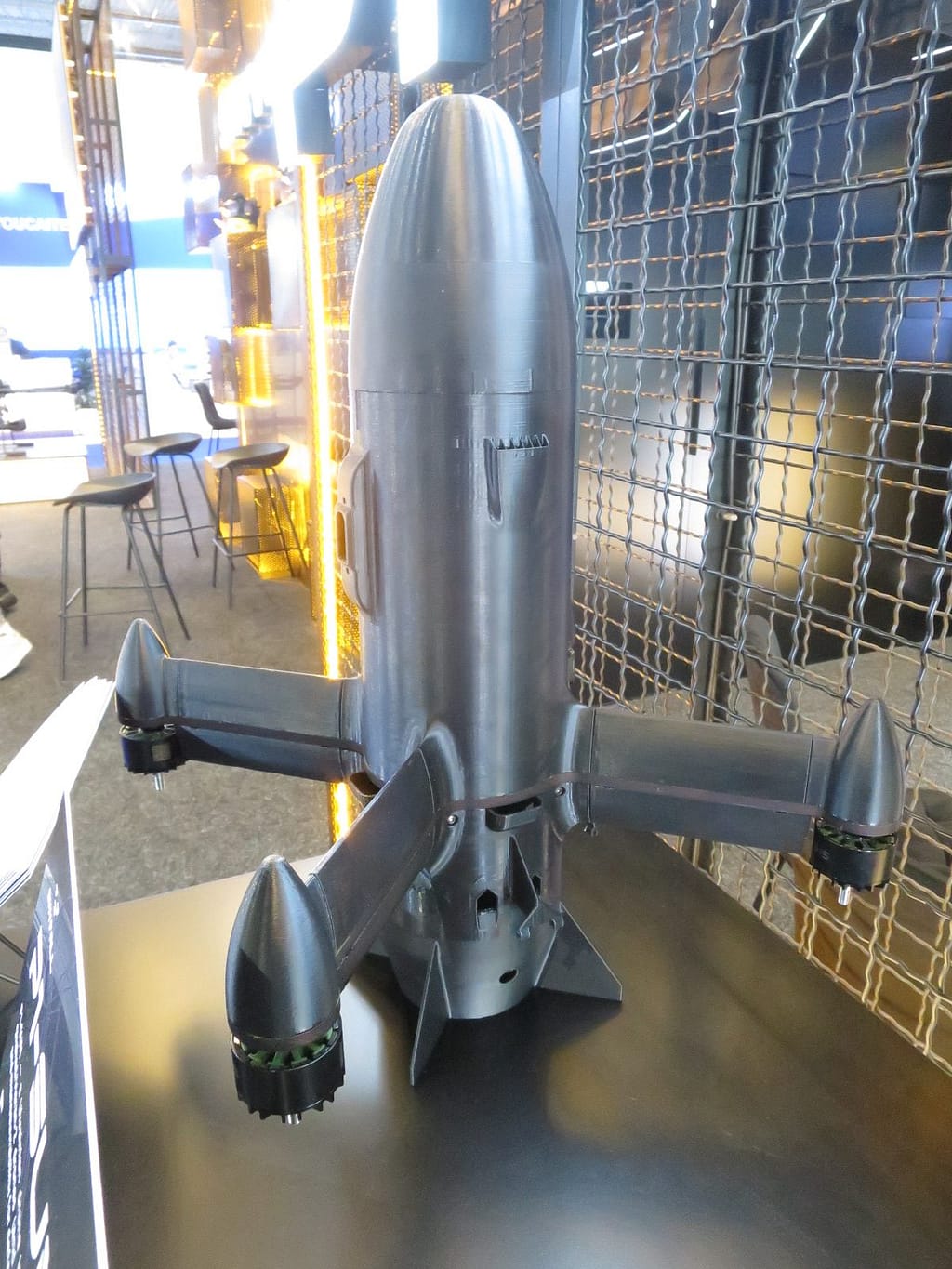
Five. Against the empire. The Thermopylae branding writes itself.
His argument for why SPART needs to exist is refreshingly blunt. Balytskyi has told trade press that most Western drone interceptors lean on rocket motors and pricey components, which makes them expensive to fire at cheap targets, the exact trap air defence keeps falling into. And Ukraine’s own front-line interceptor drones, brilliant as they are, often depend on the raw skill of an individual pilot flying by video feed. SPART’s pitch is to be the scalable, integrated, cheap-and-cheerful middle path: a system, not a superhero. The company targets a unit cost of roughly under $10,000 and wants to build them in volume.
The US Air Force is watching
In July, SPART got its audition. At Edwards Air Force Base, the legendary flight-test cathedral in the California desert, Thermopylae ran a full end-to-end demonstration during an event cheerfully named Game of Drones 26-2, hosted by the 412th Test Wing’s Experimental Test Force. Balytskyi personally briefed Brig. Gen. Mark Massaro, commander of the Air Force Test Center, on the system.
This is not a science fair. Game of Drones feeds the Pentagon’s broader drone-dominance push, and a good showing can put a system onto the military’s vetted list of small drones cleared for military buyers. Balytskyi has said Thermopylae is working inside an evaluation window of three to four months, after which it hopes for an actual procurement contract. The context matters: Iranian-style drone attacks have already stretched US air defences thin, and America is now openly racing to copy the cheap-interceptor playbook Ukraine wrote in blood.
Por qué es importante
SPART is not going to win the war by itself, and it has not shot down anything in anger yet, a slick desert demo is a long way from a rainy night over Kharkiv. But it represents something bigger than one foldable quadcopter. The side that makes air defence cheaper than air attack gets to keep its cities and its budget. For two years that idea lived almost entirely in Ukrainian workshops. Now it has a California address, a Silicon Valley cheque, and a 21-year-old holding the pass. The empire, as ever, has the numbers. History suggests the narrow gap is where things get interesting.
Sources: Focus.de; Defence Blog; UNITED24 Media; DroneLife; Janes; Tectonic Defense.
Publicaciones relacionadas

0 Comentarios