
Datos rápidos
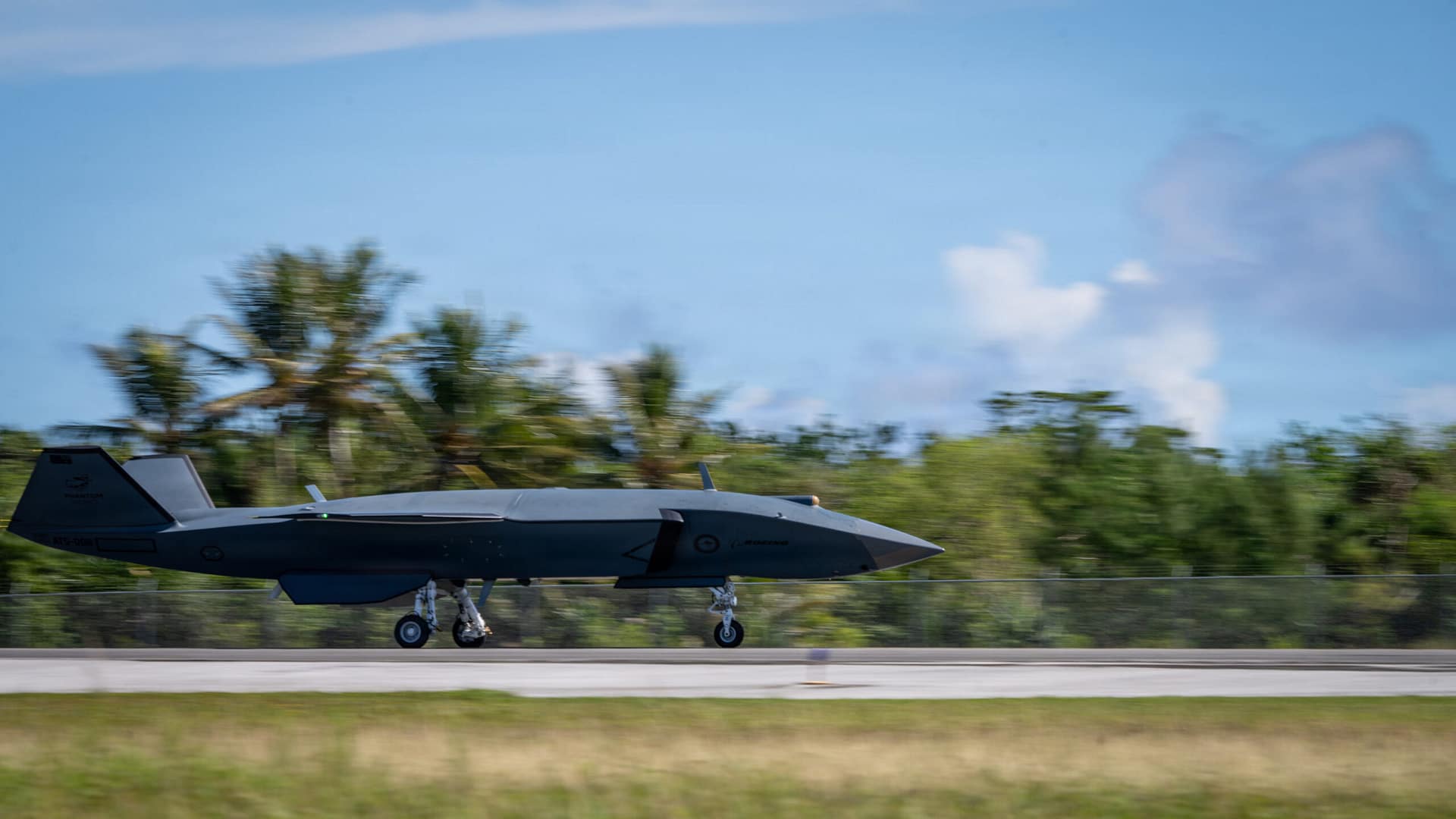
- Aeronave: Boeing Defence Australia MQ-28A Ghost Bat (production representative test aircraft ATS-008)
- Exercise: Valiant Shield 2026, 23 June – 1 July
- Ubicación: Rota, Commonwealth of the Northern Mariana Islands
- Misiones: Defensive and offensive counter-air alongside crewed fighters
- Sensor: IRST (infrared search and track) in the nose
- Significado: First-ever MQ-28 participation in any multinational exercise
A Drone That Flies With Fighters, Not Instead of Them
The specific aircraft deployed to Rota is ATS-008, a production representative Ghost Bat previously used for test flights from NAS Point Mugu in California. It arrived configured with an infrared search and track sensor in its nose — a setup that lets it hunt for enemy aircraft without broadcasting its position on radar.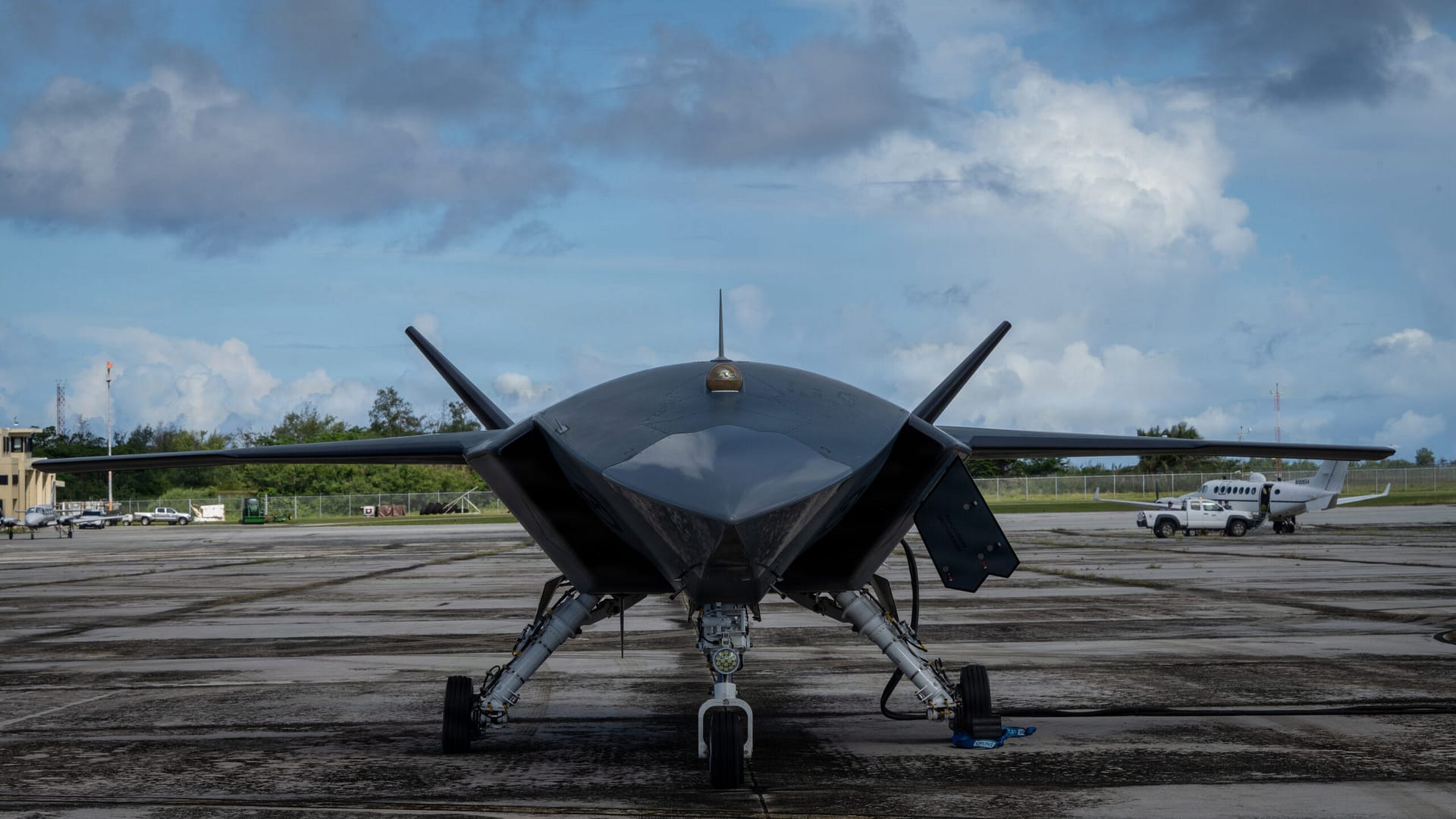
Why Rota Matters
The choice of Rota — a small island with limited infrastructure — is deliberate. Pacific Air Forces is testing the Ghost Bat under the Agile Combat Employment concept, which disperses aircraft across austere airfields to make them harder to target. In a real conflict with China, the massive bases at Guam and Kadena would be prime missile targets. Tiny strips like Rota could keep autonomous drones in the fight when the big runways are cratered. Australian ADF aviator observers are embedded with the U.S.-led MQ-28 operations component, reflecting the aircraft's Australian origins. Boeing Defence Australia built the Ghost Bat at its Toowoomba facility in Queensland — making it the first Australian-designed and built combat aircraft in over 50 years.From Test Article to Combat Tool
The Royal Australian Air Force currently operates eight Block 1 Ghost Bats, with Boeing building the first of nine Block 2 variants. But the real leap comes with Block 3, unveiled at ILA Berlin on 10 June: a 25 percent larger airframe with 12,000 pounds of thrust, internal weapons bays capable of carrying AIM-120 AMRAAMs or GBU-39 Small Diameter Bombs, and significantly extended range. RAAF operational service is targeted for 2028. Valiant Shield 2026 is the proving ground. Over 150 test sorties and 20,000 hours of digital validation have brought the MQ-28 to this point. Now it needs to demonstrate that an autonomous drone can integrate seamlessly into the chaos of a large-force exercise with hundreds of aircraft, ships, and ground units operating simultaneously. The exercise also features the USS George Washington carrier strike group, the Typhon mid-range missile system deployed to Japan for anti-ship warfare training, and Marine Corps MV-22 Ospreys — but none of those will generate as many questions about the future of warfare as the unmanned jet sitting quietly on Rota's flight line.Sources: Pacific Air Forces, The War Zone, DVIDS, Boeing Defence Australia
Preguntas relacionadas
What is the Boeing MQ-28 Ghost Bat?
The MQ-28A Ghost Bat is an autonomous combat drone developed by Boeing Defence Australia. Designed to fly alongside crewed fighters rather than replace them, it represents a new approach to air combat. In June 2026 it became the first such aircraft to join a multinational large-force exercise.
¿Qué es un dron de apoyo leal?
A loyal wingman is an autonomous drone that flies with crewed fighters, extending their sensors and firepower while keeping pilots out of the highest-risk areas — a concept known as human-machine teaming. The Ghost Bat has demonstrated it alongside crewed jets, including in its first teaming with an F-15EX.
¿Qué es el ejercicio Valiant Shield?
Valiant Shield is the US military’s premier Pacific wargame. The 2026 edition ran from 23 June to 1 July across the Mariana Islands, Guam, Hawaii, Japan and Australia, with forces from the United States, Australia, Japan, Canada and New Zealand operating under integrated multi-domain conditions.
What sensor does the MQ-28 Ghost Bat carry?
The Ghost Bat deployed to Rota, designated ATS-008, was configured with an infrared search and track (IRST) sensor in its nose. IRST lets the aircraft hunt for enemy aircraft passively, detecting their heat signatures without broadcasting its own position on radar.
Which aircraft does the Ghost Bat fly with?
During Valiant Shield 2026 the MQ-28 flew alongside crewed F-22 Raptors and F-35A Lightning IIs in both defensive and offensive counter-air missions. The trials are part of a broader push toward aeronaves de combate autónomas that operate as teammates to piloted jets.
Publicaciones relacionadas
0 Comentarios