
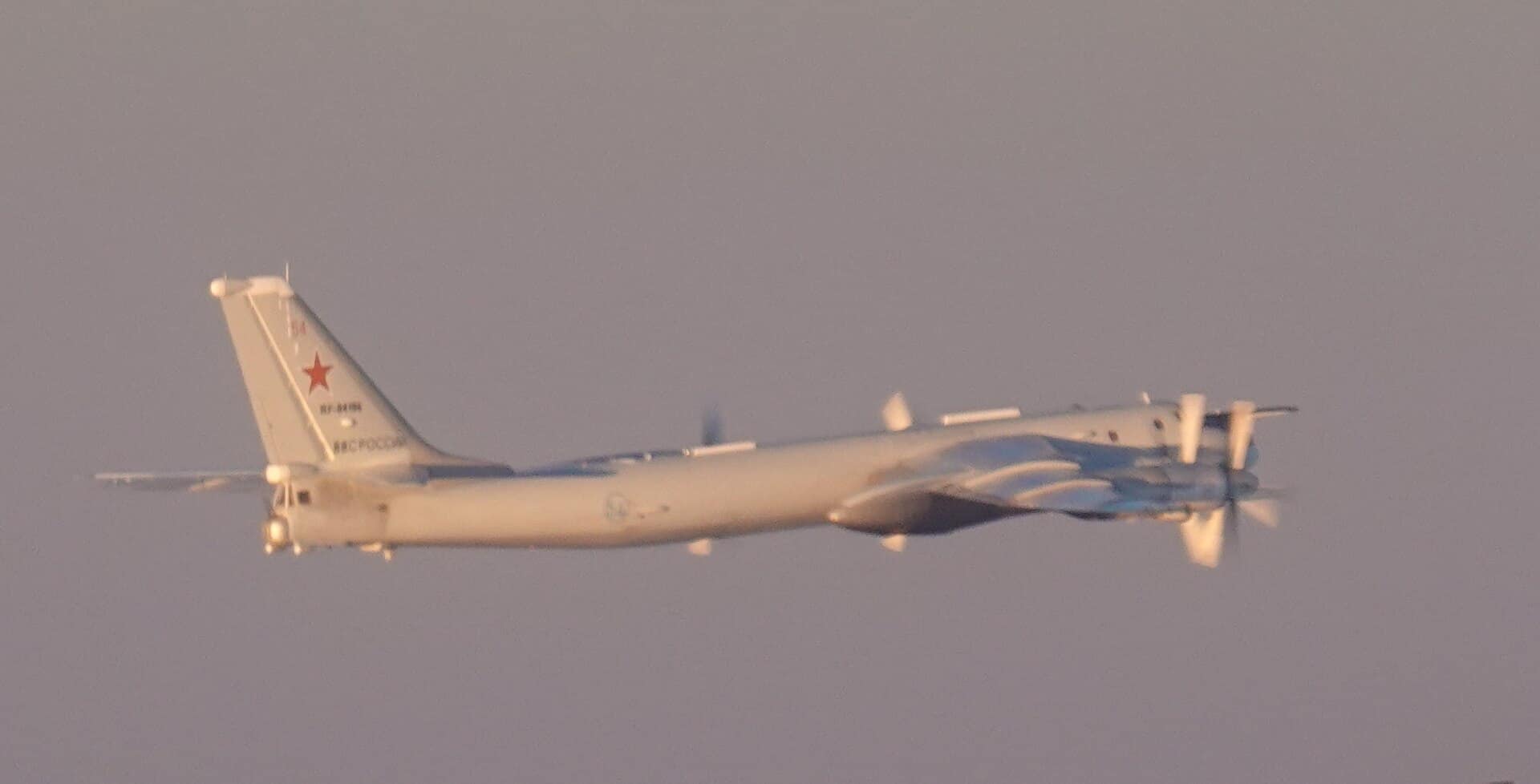
Datos rápidos
Evento: 11.ª Patrulla Estratégica Conjunta Rusia-China
Fecha: 27 de junio de 2026
Duración: Aproximadamente 6 horas
Aeronaves (rusas): Tu-95MS, Tu-142, Su-30SM, Su-35, avión cisterna Il-78M
Aeronaves (chinas): H-6K/J, J-16, J-11, J-10C, KJ-500, Y-20A, Y-9Z/G
Formación total: Al menos 15 aeronaves (según el Ministerio de Defensa de Japón)
Interceptado por: F-35A de la USAF, F-15J de la JASDF, cazas de la ROKAF
Área: Mar de Japón, Mar de China Oriental, Pacífico occidental
""Estas patrullas ya no son simbólicas. La creciente frecuencia, la expansión geográfica y la mayor coordinación táctica apuntan a una relación militar que ha trascendido los gestos diplomáticos para convertirse en una auténtica integración operativa.""
Dr. Alexander Gabuev — Director del Centro Carnegie para Rusia y Eurasia
El más grande hasta ahora
Rusia y China llevan realizando estas patrullas conjuntas desde 2019, normalmente una o dos veces al año. La undécima edición es la más ambiciosa. El Ministerio de Defensa japonés rastreó la ruta de la formación: bombarderos chinos y rusos se unieron en las aguas entre Japón y Corea del Sur, volaron hacia el sur en dirección a Okinawa, giraron hacia el este en el Pacífico occidental, dieron una vuelta hacia el norte pasando la prefectura de Miyazaki y luego invirtieron el rumbo de regreso a casa. La composición de las aeronaves lo dice todo. No se trataba solo de bombarderos, sino de un paquete de ataque completo. Los chinos aportaron capacidad de reabastecimiento aéreo (un Y-20A reabasteciendo en vuelo a dos J-16), alerta temprana aerotransportada (un KJ-500) e inteligencia electrónica (un Y-9Z y un Y-9G). Los rusos añadieron su propio reabastecimiento con un Il-78M. Es el tipo de formación escalonada que se desplegaría para una misión de ataque de largo alcance real.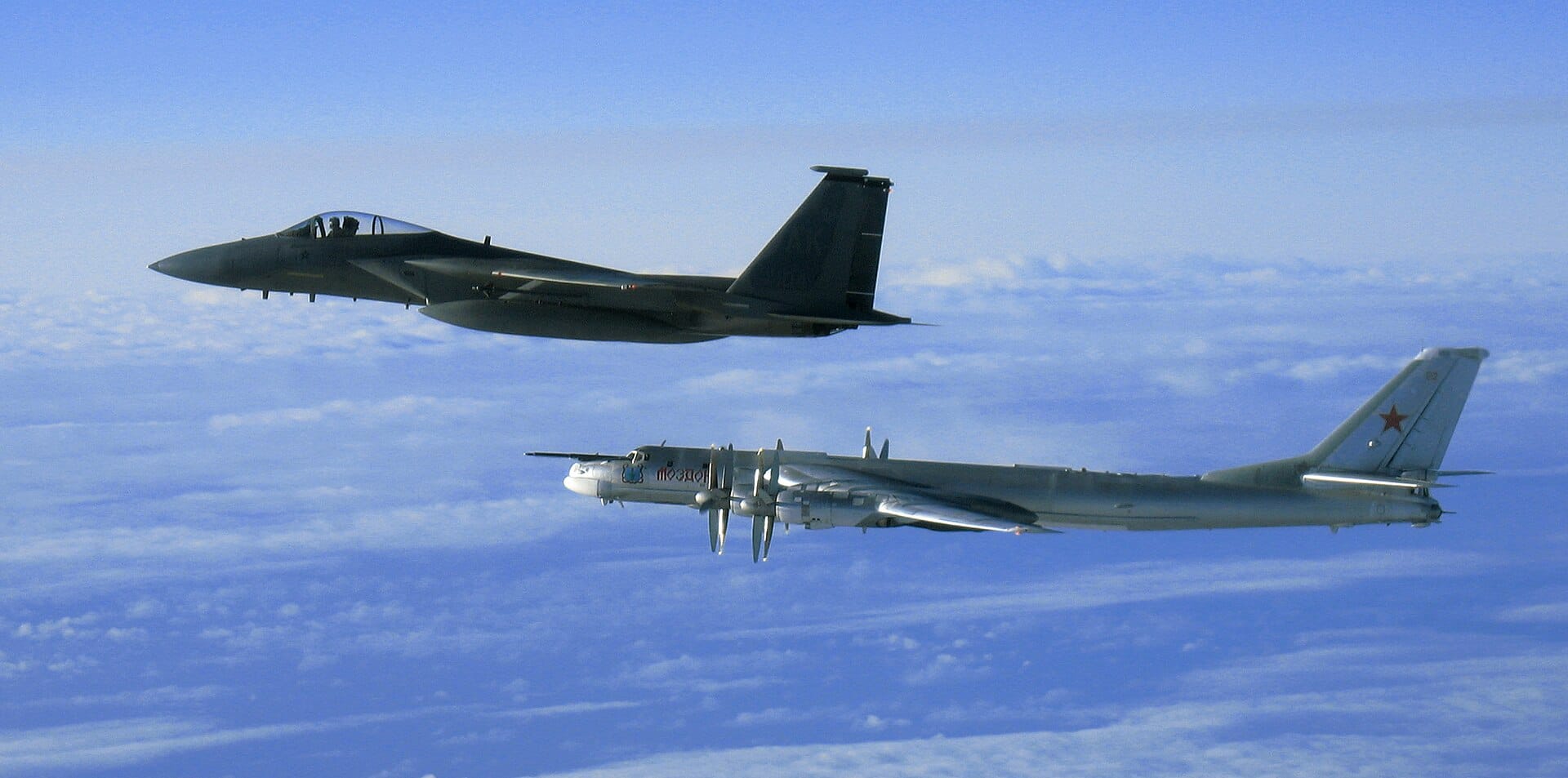
Tres países se disputan la victoria
La respuesta de EE. UU. fue notable. Los F-35A captados por las cámaras rusas lucían el emblema de cola "HL" asociado con la Base Aérea Hill en Utah, lo que sugiere que podrían ser parte de los Lightning II transferidos recientemente al 35.º Ala de Caza en Misawa, Japón. De confirmarse, marcaría una de las primeras interceptaciones operacionales del nuevo contingente de F-35 del ala. Japón desplegó F-15J de su Fuerza de Defensa Aérea Occidental. El Estado Mayor Conjunto de Corea del Sur informó que aproximadamente diez aeronaves chinas y rusas ingresaron brevemente a la Zona de Identificación de Defensa Aérea de Corea sobre las aguas orientales y meridionales del país. Seúl envió sus propios cazas en respuesta. El desglose del Ministerio de Defensa japonés contabilizó cuatro bombarderos H-6, seis cazas J-16, dos Tu-95, dos Tu-142 y un Su-30, un total de 15 aeronaves. Las imágenes militares chinas también mostraron J-11, J-10C y el KJ-500 en tierra en sus aeródromos de partida, lo que sugiere que el número total de aeronaves involucradas superó las 15 rastreadas en las rutas internacionales.La coincidencia no es casualidad.
La patrulla coincidió con el ejercicio Valiant Shield, un importante ejercicio militar conjunto de Estados Unidos, Japón, Australia y Filipinas en el Pacífico occidental. El Ministerio de Defensa Nacional de China advirtió públicamente que el ejercicio podría "provocar escaladas no deseadas". Sin embargo, en lugar de emitir un comunicado de prensa, Pekín envió bombarderos. El Ministerio de Defensa ruso declaró que la patrulla se realizó "como parte del plan de cooperación militar para 2026". Las autoridades chinas la describieron como una demostración de "determinación y capacidad para salvaguardar conjuntamente la paz y la estabilidad regionales", un lenguaje diplomático que se traduce aproximadamente como "podemos llegar a sus bases en el Pacífico". El analista de aviación Guy Plopsky señaló que solo en tres años —2022, 2023 y 2024— se han realizado dos patrullas en un mismo año. Con esta patrulla en junio, una segunda patrulla a finales de 2026 continuaría esa tendencia y normalizaría aún más las operaciones aéreas sino-rusas a gran escala en el Pacífico.Qué significa
Las patrullas conjuntas han evolucionado de gestos simbólicos a operaciones de mayor envergadura. El reabastecimiento aéreo, los aviones de inteligencia de señales (SIGINT), el sistema de alerta temprana y control aerotransportado (AEW&C) y la escolta de cazas de diversos tipos transforman lo que antes era una simple exhibición de bombarderos en un ensayo para la proyección de poder a larga distancia. El mensaje para Washington, Tokio y Seúl es claro: Rusia y China pueden coordinar un complejo paquete aéreo multifuncional a través del Pacífico, y quieren que todo el mundo lo sepa.Fuentes: Ministerio de Defensa de Japón, NORAD, The Korea Times, Bloomberg, Sputnik
Preguntas relacionadas
¿Qué aeronaves utilizan Rusia y China en estas patrullas?
Rusia suele desplegar bombarderos turbohélice Tu-95MS Bear-H, mientras que China envía bombarderos estratégicos H-6K. Ambas plataformas tienen capacidad nuclear. Las patrullas recientes también han incluido escoltas de cazas: aviones rusos Su-35S y Su-30SM2 junto con cazas chinos J-16.
¿Cómo responden Estados Unidos y sus aliados a estas patrullas?
NORAD scrambles F-16 o F-22 from Alaska to intercept and shadow the bombers when they approach the Air Defense Identification Zone (ADIZ). Japan and South Korea also scramble fighters when the patrols pass near their airspace. The bombers typically do not enter sovereign airspace but fly in international airspace near the ADIZ boundary.
¿Cuántas patrullas conjuntas ha habido?
Esta fue la undécima patrulla conjunta de bombarderos estratégicos confirmada desde que comenzó el programa en 2019. La frecuencia ha aumentado notablemente, pasando de aproximadamente dos por año entre 2019 y 2023 a cuatro o más por año desde 2024.
¿Representan estas patrullas una amenaza militar real?
Estas patrullas son principalmente un ejercicio de señalización estratégica, que demuestra que Rusia y China pueden proyectar su poder aéreo conjuntamente a través del Pacífico. Sin embargo, también cumplen una función militar real: las tripulaciones practican procedimientos conjuntos de comunicación, coordinación y navegación de largo alcance que serían esenciales en un escenario de conflicto real.
Publicaciones relacionadas
Seúl se moviliza mientras 10 aviones de guerra ponen a prueba su sistema de vigilancia.
0 Comentarios