
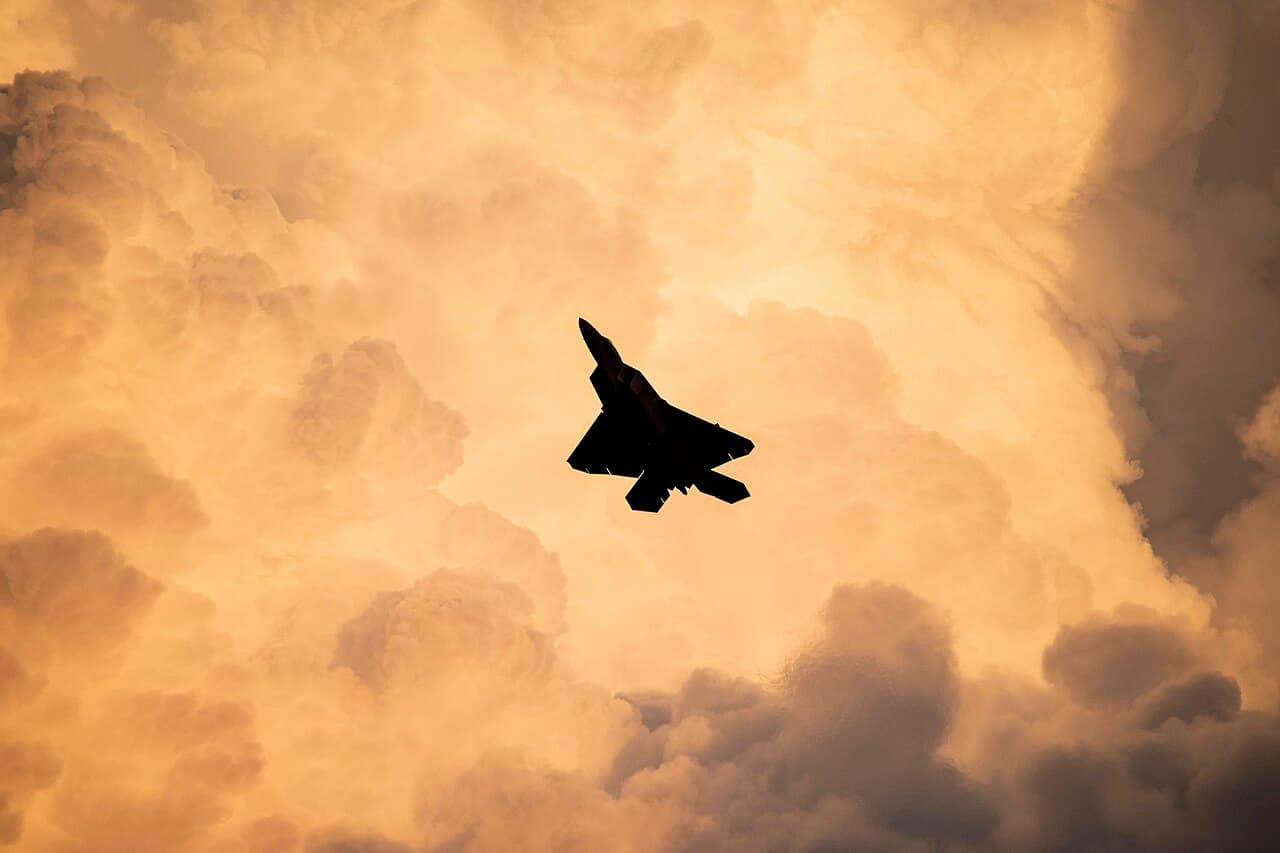
Just after first light on July 10, ten F-22 Raptors dropped out of the English sky and rolled onto the runway at RAF Fairford under the callsign TREND. They looked like they had been to war. That is because they had.
These were the 1st Fighter Wing’s jets from Joint Base Langley-Eustis, Virginia, flying the final leg of a long journey home from Ovda Air Base in Israel — the sharp end of America’s air campaign against Iran. Their arrival, logged by the aircraft spotters who work Fairford’s fence line, is the clearest sign yet that the operation is winding down.
The Raptors are not slinking away from a fight they lost. They are leaving one they dominated — and that, in its own way, is the more interesting story.
Datos rápidos
| Aeronave | Lockheed Martin F-22A Raptor (stealth air-superiority fighter) |
| Unidad | 1st Fighter Wing, Joint Base Langley-Eustis, Virginia |
| Deployed from | Ovda Air Base, Israel (Operation Epic Fury) |
| Arrived | RAF Fairford, UK — July 10, 2026, roughly 10 jets in three waves |
| Still at Fairford | About two dozen B-1B Lancers |
A stealth fighter’s quiet war
The Raptors went to the Middle East to open doors. On February 28, the United States joined Israel in Operation Epic Fury, a wave of intensive strikes on Iran’s missile force and other military targets. In the days that followed, the F-22s flew more than 200 combat sorties, reportedly threading Iranian air defences without ever being detected — the classic first-night mission that only a stealth fighter can fly.
That is what the F-22 is for: not dogfighting for the cameras, but slipping in ahead of everything else and making the sky safe for the jets that follow. For four months, that is what it did.
The great pullback
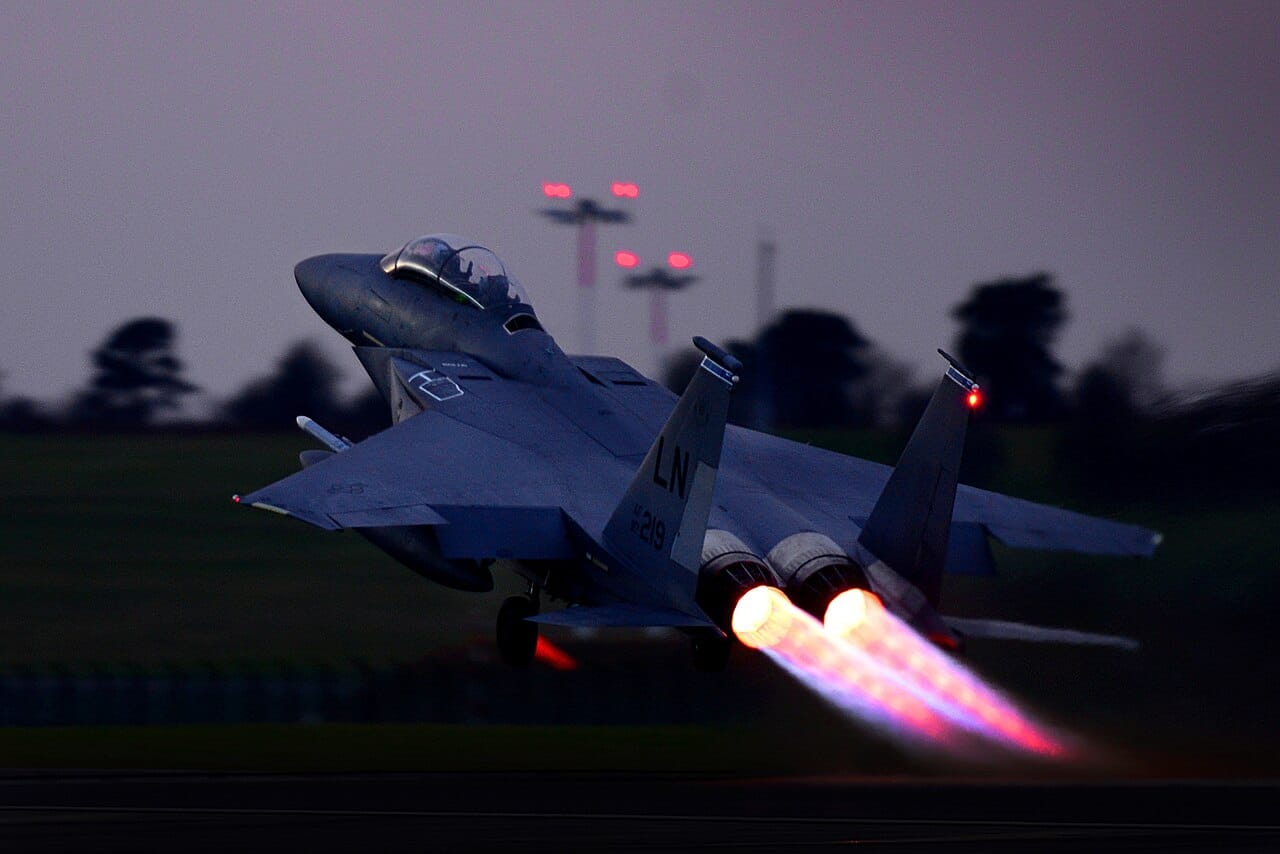
The Raptors are only the latest to head for the exit. Earlier this month, around a dozen F-15E Strike Eagles of the 492nd Fighter Squadron returned to RAF Lakenheath after a five-month deployment to Jordan, and six B-52 Stratofortress bombers left Fairford, where they had been staged to launch missions into Iran. In June, roughly a dozen A-10 Thunderbolt IIs from the 23rd Wing passed back through Lakenheath.
Many of the returning jets wore fresh kill markings — small stencils that told anyone watching the fence line exactly how busy the aircraft had been. Not everything is leaving, though: about two dozen B-1B Lancers remain parked at Fairford, and a sizeable force of USAF and Navy fighters is still in the region.
A ceasefire that isn’t
The withdrawal comes at a strange moment. A mid-June memorandum of understanding reopened the Strait of Hormuz toll-free for 60 days and was meant to set the stage for talks on Iran’s nuclear program. But the two sides read the document differently, and after Iran attacked several tankers near Oman, the U.S. struck more than 170 targets on July 7. On July 10 — the very day the Raptors landed in England — President Trump declared the fragile ceasefire “over.”
A typical fighter squadron deployment runs about six months, and it is not yet clear whether the departed jets will be replaced or simply stood down. For now, the White House appears content to let the bombers and fighters come home — while keeping the door to a deal propped open.
The Raptors are going home. Whether they stay there is Iran’s move.
Sources: Air & Space Forces Magazine, The War Zone, Eurasian Times.
0 Comentarios