
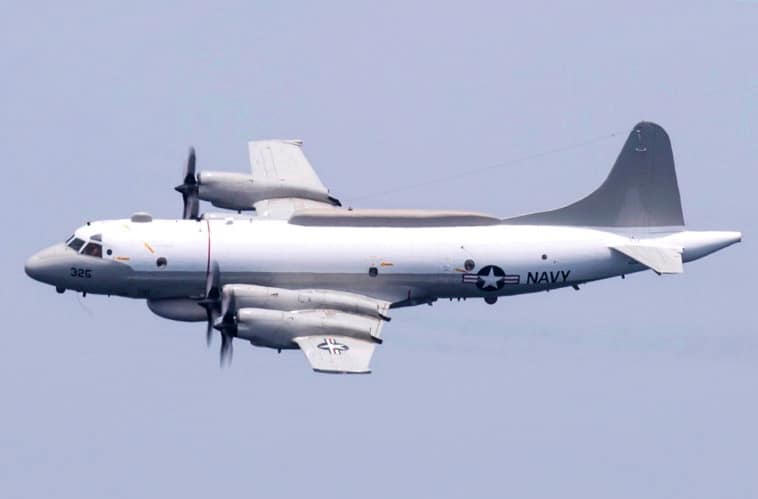
On the morning of 1 April 2001, a lumbering American spy plane and a hot-rod Chinese fighter touched wingtips over the South China Sea. One aircraft limped away with its nose torn off and 24 terrified people aboard. The other broke in half and fell into the sea, taking its pilot with it. Twenty-five years later, one question still hangs over the wreckage: was it an accident, or did China crash that spy plane on purpose?
The video below, from The Rest Is Classified, lays out the case — and it is the perfect place to start before we weigh the evidence.
| Fecha | 1 April 2001 |
| Aviones estadounidenses | Navy EP-3E ARIES II (24 crew) |
| Aviones chinos | Two J-8II interceptors |
| Chinese pilot | Lt. Cdr. Wang Wei (killed) |
| Resultado | EP-3 emergency-landed on Hainan; crew held 11 days |
| Still disputed | Who caused the collision |
Lo que realmente sucedió
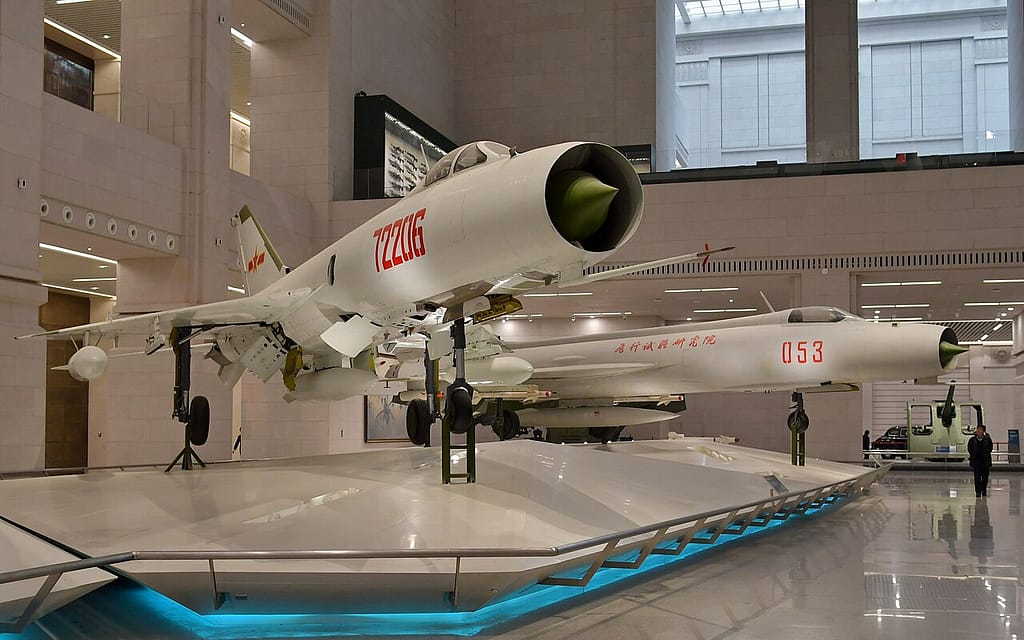
The aircraft was a U.S. Navy EP-3E ARIES II — a four-engine turboprop stuffed with signals-intelligence gear, flying a routine surveillance track in international airspace off China’s Hainan Island. Two People’s Liberation Army Navy J-8II interceptors came up to shadow it. One was flown by Lieutenant Commander Wang Wei.
Wang made two aggressive close passes. On the third, he came up beneath the EP-3’s left wing at high speed, misjudged the closure, and his fighter’s tail struck the American plane’s number-one propeller. The J-8 broke into two pieces and tumbled away; the EP-3’s radome tore off completely. Wang ejected but was never found. The spy plane snap-rolled and fell into an inverted dive.
That the crew survived at all is remarkable. Osborn wrestled the crippled aircraft level thousands of feet lower, then made a mayday emergency landing at the Chinese military airfield at Lingshui — without permission. The 24 Americans were detained and interrogated for 11 days while Washington and Beijing traded accusations, until a carefully worded U.S. statement of regret — the famous “letter of the two sorries” — secured their release. The aircraft itself was taken apart and returned months later, in crates.
Two stories that cannot both be true
From the first hours, the two governments told mirror-image versions. Beijing insisted the big American plane had suddenly veered into Wang’s fighter — that the United States was to blame for his death. Washington said that was physically absurd: the EP-3 was flying straight and level on autopilot, and a slow, heavy patrol aircraft simply does not swat a nimble jet out of the sky.
The physics favour the American account. It is the fighter that has the speed and manoeuvrability to close the distance, and the fighter that pays the price when the geometry goes wrong. Aviation investigators and the surviving crew describe a classic aggressive-intercept manoeuvre gone lethal: Wang was setting up to “thump” the EP-3 — to slide in front of it and light his afterburners — and left himself no room.
So — deliberate?
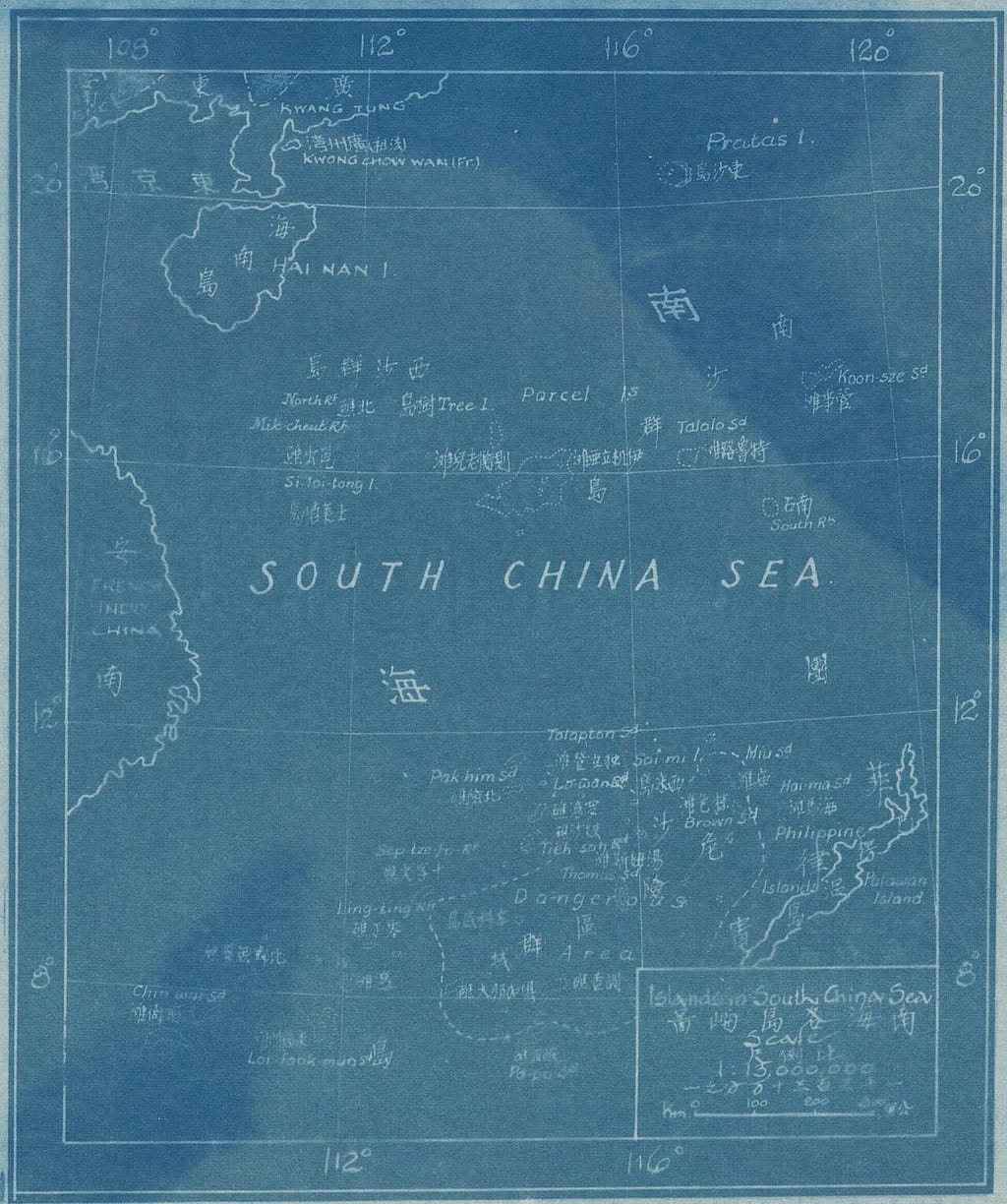
Here is where the video’s provocative question deserves a careful answer. There is little evidence that Beijing ordered Wang Wei to ram an American aircraft; a mid-air collision is a catastrophically unreliable way to make a political point, and it cost China a pilot, a jet, and a great deal of face. What the incident did expose was something more troubling than a single order: a culture of increasingly reckless close intercepts. Wang had a reputation for hot-dogging dangerously near American aircraft, and the U.S. had already protested a pattern of unsafe PLA passes in the region.
In other words, the honest verdict sits between the two official stories. It was not a premeditated attack sanctioned from the top — but nor was it simply bad luck. It was the predictable result of a young air force flexing its muscles at the edge of its airspace, flying ever closer to aircraft it resented, until one pilot flew too close.
Seen from Beijing, of course, the story looks different: an American spy plane loitering off the Chinese coast was itself the provocation, and Wang Wei died defending home skies. That grievance — over who gets to fly where, and how close — never went away. The same argument plays out today over the same water, now with drones and destroyers instead of turboprops and interceptors.
The EP-3 that survived that day now sits in a museum. Wang Wei never came home. And the question the video asks endures precisely because the answer is uncomfortable for everyone: not a deliberate plot, not an innocent accident, but a collision that both sides, in their own way, helped make inevitable.
Sources: Lt. Shane Osborn, “Born to Fly”; U.S. Naval History and Heritage Command; Wikipedia; The Aviation Geek Club; The Rest Is Classified.
Publicaciones relacionadas
0 Comentarios