

La mañana del 25 de enero de 1995, en la isla de Andøya, en el Ártico noruego, un equipo de científicos noruegos y estadounidenses observó cómo un cohete sonda Black Brant XII de cuatro etapas se elevaba desde su plataforma de lanzamiento y desviaba su trayectoria hacia el noreste sobre el mar, rumbo a Svalbard. Transportaba instrumentos para estudiar la aurora boreal, las mismas luces del norte que iluminan el archipiélago durante todo el invierno. El lanzamiento fue impecable. El equipo comenzó a monitorear su experimento. Nada en aquel momento sugería que, a 1000 kilómetros al este, oficiales del servicio ruso de alerta temprana observaban el mismo punto de luz y seguían procedimientos muy diferentes.
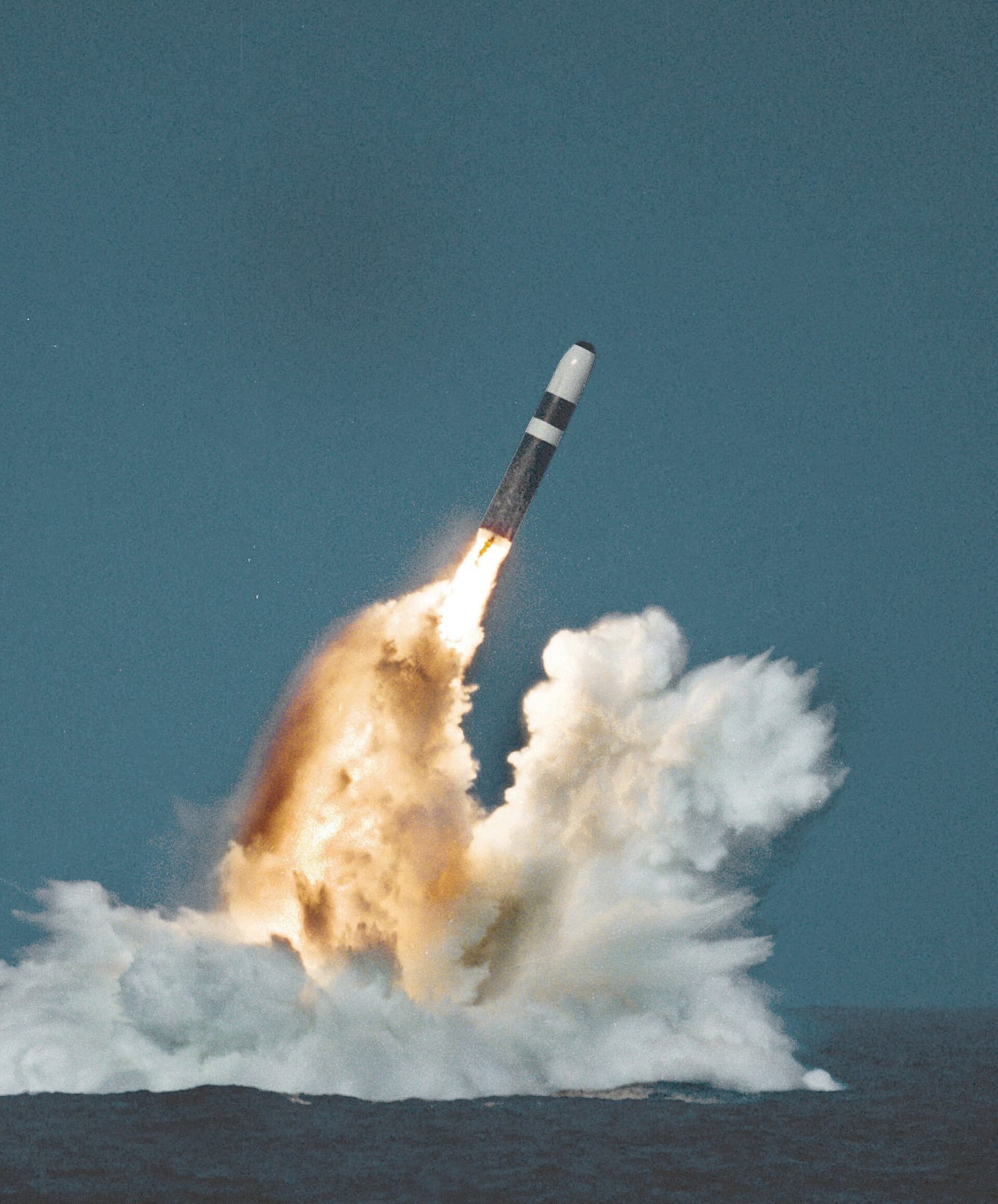
En la estación de radar de Olenegorsk, en la península de Kola, el objeto que emergía del mar de Noruega resultaba inquietantemente familiar: la velocidad, la trayectoria, la configuración de un misil balístico lanzado desde un submarino. No cualquier misil, sino un Trident, del tipo que transportan los submarinos estadounidenses que patrullan precisamente bajo esas aguas. Y un solo Trident, disparado desde el mar de Barents, encajaba con el escenario que los planificadores rusos habían temido durante años: una ojiva, detonada a gran altura sobre el país, cuyo pulso electromagnético cegaría los radares antes del ataque real.
En cuestión de minutos, la alerta había ascendido más alto en la cadena de mando rusa que nunca antes ni después. En Moscú, por primera y —hasta donde se sabe— única vez en la era nuclear, se activó en serio el maletín desde el que un presidente puede autorizar un lanzamiento nuclear. La Guerra Fría había terminado hacía tres años. Los científicos de Andøya habían seguido al pie de la letra el protocolo. Y el protocolo había fallado.
Datos clave: El incidente del cohete noruego
| Fecha | 25 de enero de 1995 |
| El cohete | Black Brant XII, un cohete sonda científico de cuatro etapas. |
| Lanzado desde | Campo de lanzamiento de cohetes de Andøya, norte de Noruega |
| Misión | Estudiando la aurora boreal sobre Svalbard; apogeo aproximado de 1450 km (900 millas). |
| Confundido con | Un misil balístico Trident de la Armada de los Estados Unidos lanzado desde un submarino desde el mar de Barents. |
| La alarma llegó | El presidente Boris Yeltsin: la única activación públicamente conocida de un maletín nuclear. |
| Ventana de decisión | Unos diez minutos, la mayor parte del tiempo dedicado a seguir la trayectoria. |
| Causa principal | La notificación anticipada de Noruega nunca llegó a los equipos de radar de Rusia. |
Un cohete para las auroras boreales
Andøya llevaba lanzando cohetes científicos desde la década de 1960, y los vecinos del norte de Rusia lo sabían. Lo que era diferente en enero de 1995 era el cohete en sí. El Black Brant XII era el vehículo más grande que jamás había volado en ese campo de lanzamiento: cuatro etapas, una trayectoria que alcanzaba aproximadamente 1450 kilómetros de altitud —más alta que la que alcanza hoy la Estación Espacial Internacional— y un perfil de combustión mucho más parecido al de un misil militar que al de los modestos cohetes sonda de una sola etapa que lo habían precedido.
El experimento era pura ciencia, parte de una campaña conjunta para estudiar la aurora boreal sobre Svalbard. Pero la física no define sus intenciones. Para un radar, un gran cohete de combustible sólido que asciende abruptamente desde el mar de Noruega es solo una forma y una velocidad, nada más.

De hecho, había una etiqueta adjunta: una diplomática. Semanas antes, el 21 de diciembre de 1994, el equipo de lanzamiento había solicitado al Ministerio de Asuntos Exteriores noruego que notificara a Rusia y a más de dos docenas de otros estados sobre la próxima campaña, tal como siempre lo hacían. La carta fue enviada. Lo que sucedió después es el punto clave de toda la historia, y volveremos sobre ello.
En las pantallas rusas, un tridente
Para comprender el pánico en Olenegorsk, conviene saber qué era lo que más temían los planificadores rusos en la década de 1990. No se trataba de un ataque masivo estadounidense sorpresa, que sería visible, inconfundible y recibiría una respuesta contundente. Se trataba del escenario de decapitación: un solo misil, disparado desde un submarino cerca de las costas rusas, detonando una ojiva a gran altitud para generar un pulso electromagnético que cegaría los radares y paralizaría las comunicaciones; el preludio de un ataque que los defensores jamás verían venir.
Un misil Trident II lanzado desde el mar de Barents podía alcanzar territorio ruso en unos diez minutos. Ese tiempo lo determinaba todo: independientemente del objetivo que apareciera en pantalla, el margen de tiempo para decidir cómo responder era tan corto como una pausa para el café.
El Black Brant XII era un impostor plausible. Su tamaño y configuración recordaban a los de un misil Trident; al separarse sus propulsores, la imagen del radar mostraba, según los informes, un misil lanzando múltiples ojivas. Además, su trayectoria, que se curvaba hacia Svalbard, atravesaba un corredor que los planificadores rusos asociaban con las rutas de vuelo entre los campos de misiles estadounidenses y Moscú.
Las sirenas de alarma sonaron en el cuartel general ruso de alerta temprana. La información se transmitía hacia arriba, no hacia un archivo de notificaciones de lanzamientos científicos, sino hacia arriba, a través del Estado Mayor, hacia el hombre que había heredado el arsenal soviético.
El maletín se abre
El sistema de mando nuclear ruso, al igual que el estadounidense, acompaña a su presidente. El dispositivo se llama Cheget: un maletín, uno de los tres (el del presidente, el del ministro de Defensa y el del jefe del Estado Mayor) que, en conjunto, conforman la sala de conferencias electrónica mediante la cual se autoriza una orden de lanzamiento. La mañana del 25 de enero de 1995, los maletines cobraron vida. Boris Yeltsin, el ministro de Defensa Pavel Grachev y el general Mikhail Kolesnikov se conectaron en una sesión de emergencia mientras los operadores de radar vigilaban la trayectoria.
Es la única vez que se sabe públicamente que un Estado con armas nucleares activó el aparato en respuesta a una alerta real. Sinceramente, desde fuera es imposible saber cuán cerca estuvo realmente la decisión de lanzar el armamento: la Rusia postsoviética nunca ha publicado las actas, y los relatos de funcionarios y analistas difieren: algunos describen una situación de emergencia realmente peligrosa, otros una alerta gestionada dentro de los límites establecidos. Lo que sí está documentado es lo que el propio Yeltsin declaró a la prensa al día siguiente.
La trayectoria salvó a todos. Según se informa, se emplearon unos ocho de los diez minutos disponibles en rastrear el objeto antes de que su trayectoria revelara la verdad: se dirigía hacia Svalbard y el mar, no hacia el interior, hacia Rusia. La orden de suspensión se extendió a toda la cadena de mando. Veinticuatro minutos después del lanzamiento, el experimento, ya agotado, cayó, tal como estaba previsto, cerca de Spitsbergen. Los científicos de Andøya concluyeron una misión totalmente exitosa, sin saber que, por un breve instante, habían sido los hombres más peligrosos de Europa.

La carta que nunca llegó
Luego llegó el momento de lidiar con el papeleo. Noruega había notificado a Rusia —formalmente, por escrito, a través de la embajada en Oslo, con un mes de antelación—. El mensaje simplemente se había perdido en algún punto de la burocracia entre el Ministerio de Asuntos Exteriores ruso y los operadores de las consolas de radar. Los diez minutos más peligrosos de la era posterior a la Guerra Fría no fueron causados por un general rebelde ni por una computadora averiada, sino por una carta que no se envió.
Para quienes estudian el riesgo nuclear, eso es precisamente lo que hace que 1995 sea tan instructivo. El equipo funcionó. Los radares detectaron un objeto real y lo caracterizaron de forma plausible. Todos los implicados cumplieron con su deber. El fallo radicó en las fisuras entre las instituciones, las mismas fisuras que ninguna ingeniería de misiles puede cerrar. Un exanalista de la CIA, Peter Vincent Pry, quien documentó el episodio en su libro War Scare, emitió un veredicto que aún hoy sorprende.
No todos están de acuerdo: algunos expertos sostienen que el sistema ruso, de hecho, demostró su eficacia al detectar y corregir el error con apenas unos minutos de margen. Ambas interpretaciones pueden ser ciertas: las medidas de seguridad funcionaron, y resulta inquietante que fueran necesarias, tres años después del fin de la Guerra Fría, contra un misil meteorológico.
El susto más silencioso
Las consecuencias fueron poco dramáticas, lo cual en sí mismo constituye una lección. Moscú protestó; Oslo se disculpó sin motivo alguno, prometiendo mejores procedimientos de notificación; ambos países mejoraron discretamente sus canales de comunicación. Andøya continuó con sus lanzamientos, y lo sigue haciendo hasta el día de hoy, ahora como Andøya Space. El incidente podría haber caído en el olvido si Yeltsin no hubiera hecho su comentario sobre el pequeño maletín negro, convirtiendo una alerta interna en un hecho histórico.
De las tres grandes falsas alarmas nucleares —el Sábado Negro de 1962, la noche de Petrov en 1983 y esta—, el incidente noruego es el menos conocido y, en cierto modo, el más inquietante. Los otros ocurrieron en el punto álgido de la confrontación, cuando todos esperaban lo peor. Este, en cambio, tuvo lugar en tiempos de paz, entre países con relaciones amistosas, a raíz de un experimento sobre auroras boreales. El mecanismo de alarma nuclear no entiende de épocas. Solo detecta formas y velocidades, y siempre está activado.
Fuentes: Wikipedia; Museo Nuclear / Fundación del Patrimonio Atómico; Centro para el Control de Armas y la No Proliferación; Revista Smithsonian; Russia Matters (Harvard); Peter Vincent Pry, War Scare. Los detalles relativos a Rusia siguen siendo parcialmente inverificables y, por consiguiente, se presentan con reservas.
Preguntas relacionadas
¿Qué fue el incidente del cohete en Noruega?
El incidente del cohete noruego fue una falsa alarma nuclear el 25 de enero de 1995, cuando un cohete científico noruego-estadounidense lanzado desde Andøya para estudiar la aurora boreal fue confundido brevemente por el radar de alerta temprana ruso con un misil balístico lanzado desde un submarino. Esto activó el aparato de mando nuclear de Rusia antes de que la trayectoria del cohete mostrara que se dirigía inofensivamente hacia el mar, uno de los incidentes más graves de la era de la Guerra Fría. los incidentes nucleares más cercanos.
¿Por qué Rusia pensó que el cohete Black Brant era un misil?
Los operadores de radar rusos en Olenegorsk, en la península de Kola, observaron un gran cohete multietapa que ascendía abruptamente desde el mar de Noruega, con una velocidad, trayectoria y perfil de etapas similares a los de un misil Trident estadounidense lanzado desde un submarino. Un solo Trident podría haber sido una explosión nuclear a gran altitud destinada a cegar el radar ruso antes de un ataque de mayor envergadura, lo que hizo que la trayectoria ambigua resultara especialmente alarmante.
¿Activó Boris Yeltsin el maletín nuclear?
Sí. El presidente ruso Boris Yeltsin declaró posteriormente que activó su maletín nuclear —el dispositivo Cheget, que autoriza una respuesta nuclear— por primera vez durante el incidente del 25 de enero de 1995. Es la única vez que se tiene constancia pública de que un Estado con armas nucleares haya activado este aparato en respuesta a una alerta real. No se dio ninguna orden de lanzamiento.
¿Qué provocó la falsa alarma del cohete noruego en 1995?
La alarma surgió de un fallo burocrático. Noruega había notificado formalmente a Rusia, por escrito y con semanas de antelación, sobre el lanzamiento científico, pero el mensaje nunca llegó a los equipos de radar; se perdió en algún punto entre el Ministerio de Asuntos Exteriores ruso y las estaciones de alerta temprana. El cohete en sí era una misión inofensiva de investigación de auroras boreales; el peligro residía exclusivamente en la falta de notificación.
¿Qué es un cohete Black Brant?
El Black Brant es una familia de cohetes sonda de diseño canadiense utilizados para la investigación científica en la atmósfera superior. El incidente de 1995 involucró un Black Brant XII de cuatro etapas lanzado desde el campo de tiro de Andøya, en el Ártico noruego, para estudiar las auroras boreales. Era el cohete más grande jamás lanzado desde ese lugar hasta entonces, razón por la cual su trayectoria se asemejaba a la de un misil militar.
¿Hasta qué punto estuvo cerca de una guerra nuclear el incidente del cohete noruego de 1995?
Los relatos difieren. Yeltsin dijo que los comandantes rastrearon el cohete de principio a fin, y que transcurrieron aproximadamente ocho de los diez minutos disponibles antes de que su trayectoria dejara claro que se dirigía hacia Svalbard y mar abierto, no hacia Rusia. El episodio recuerda al de 1983. Falsa alarma sobre satélites soviéticos, cuando el juicio humano volvió a desestimar una alarmante advertencia.

0 Comentarios