
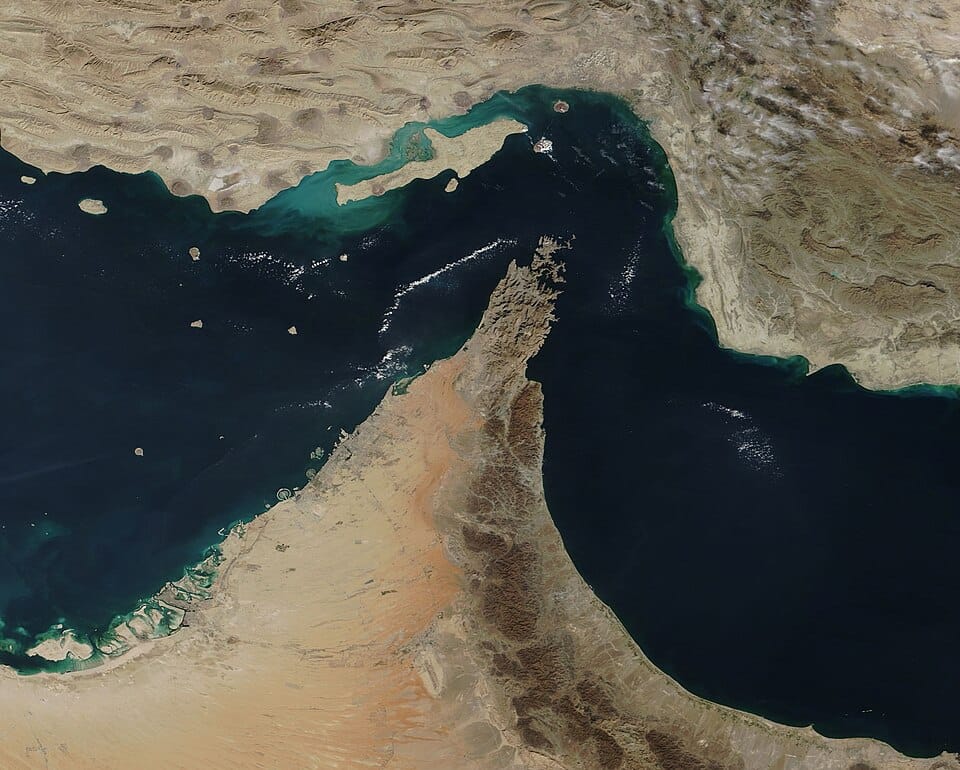
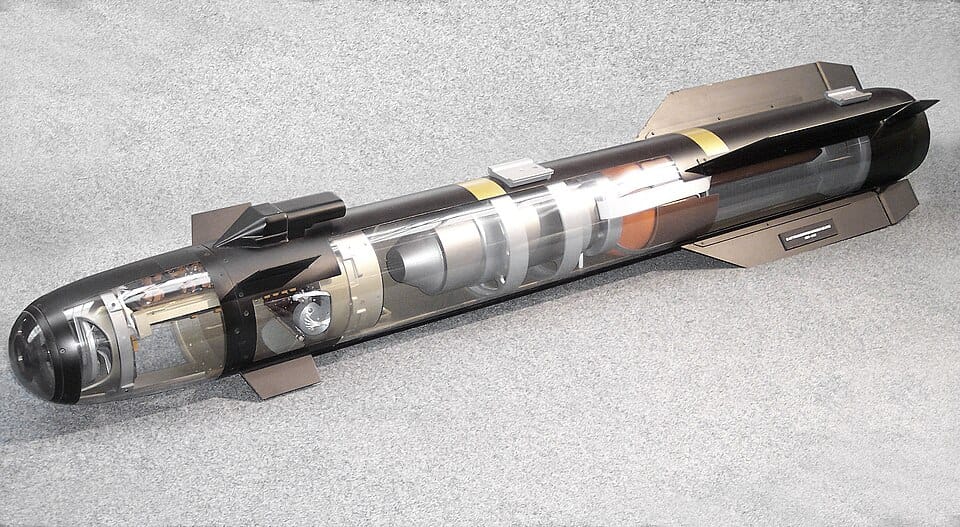
Twenty warnings. More than twenty radio calls, signal flares, and direct hails. The crew of the Gambian-flagged M/V Lian Star ignored every one. On May 29, somewhere in the opal waters of the Gulf of Oman, a U.S. aircraft fired an AGM-114 Hellfire missile into the cargo ship’s engine room. The vessel went dead in the water. It is still adrift.
The Lian Star is the fifth commercial vessel disabled by American forces since the blockade of Iranian ports began in April. A total of 116 ships have been redirected. Five refused to turn. Five got Hellfires. The message from U.S. Central Command is not subtle: the blockade is real, it is enforced with live weapons, and it applies to every flag.
The strike happened as the United States and Iran were simultaneously negotiating an extension of the ceasefire announced in April — and arguing over whether to lift the dual blockades of the Strait of Hormuz. Iran maintains its own counter-blockade. Between them, the two nations have turned one of the world’s most important oil corridors into a live-fire zone with competing rules of engagement.
Quick Facts
- Vessel: M/V Lian Star, Gambia-flagged cargo ship
- Date: May 29, 2026
- Location: Gulf of Oman, international waters near Iranian port
- Weapon: AGM-114 Hellfire missile fired into engine room
- Warnings issued: More than 20 before engagement
- Running tally: 5 ships disabled, 116 redirected since April
- Context: US-Iran ceasefire and blockade negotiations ongoing
The Mechanics of a Maritime Blockade
The U.S. blockade of Iran’s ports is, by historical standards, an extraordinary measure. Blockades are an act of war under international law — one of the most coercive tools short of invasion. The last time the United States imposed a full naval blockade was during the Cuban Missile Crisis in 1962, and even then Kennedy called it a “quarantine” to soften the legal implications.
President Trump announced this one in April after negotiations between Iranian and American delegations faltered. The mechanism is straightforward: U.S. Navy and allied vessels patrol the approaches to the Strait of Hormuz and the Gulf of Oman. Ships heading for Iranian ports are hailed, warned, and ordered to divert. Most comply. Those that don’t are disabled — so far, exclusively with precision-guided missiles aimed at propulsion systems rather than crew spaces.
Five Ships, One Pattern
CENTCOM’s statement was terse and clinical, as blockade enforcement communiqués tend to be: U.S. forces “observed M/V Lian Star transiting international waters toward an Iranian port,” issued the warnings, and “disabled the vessel by firing a Hellfire missile into the ship’s engine room after Lian Star’s crew failed to comply.” The ship, CENTCOM added, “is no longer transiting to Iran.”
Each of the five disabled ships followed the same script. Warnings, refusal, a single precision strike to the engines. No crew casualties have been reported. The vessels are left adrift and eventually towed. It is, in its way, a remarkably restrained use of force — if you accept the premise that firing missiles at commercial shipping in international waters counts as restrained.
The Dual Blockade Problem
What makes the Strait of Hormuz situation uniquely dangerous is that both sides are doing it. Iran operates its own counter-blockade, restricting traffic it deems hostile. Between the American cordon and the Iranian one, the strait — which carries roughly 20% of the world’s traded oil — has become a corridor of competing claims, overlapping engagement zones, and escalatory risk.
Oil markets have priced in the disruption, but the longer it lasts, the more likely a miscalculation becomes. A Hellfire into an engine room is surgical. A misidentified vessel, a crew that panics, a flag state that objects — any of these could turn a controlled enforcement action into an international incident.
For now, the Lian Star drifts. Negotiations continue. And the next cargo ship captain deciding whether to run the blockade has five predecessors’ engine rooms to consider.
Sources: CENTCOM, Stars and Stripes, Task & Purpose, gCaptain, Al Jazeera
 English
0 Comments