
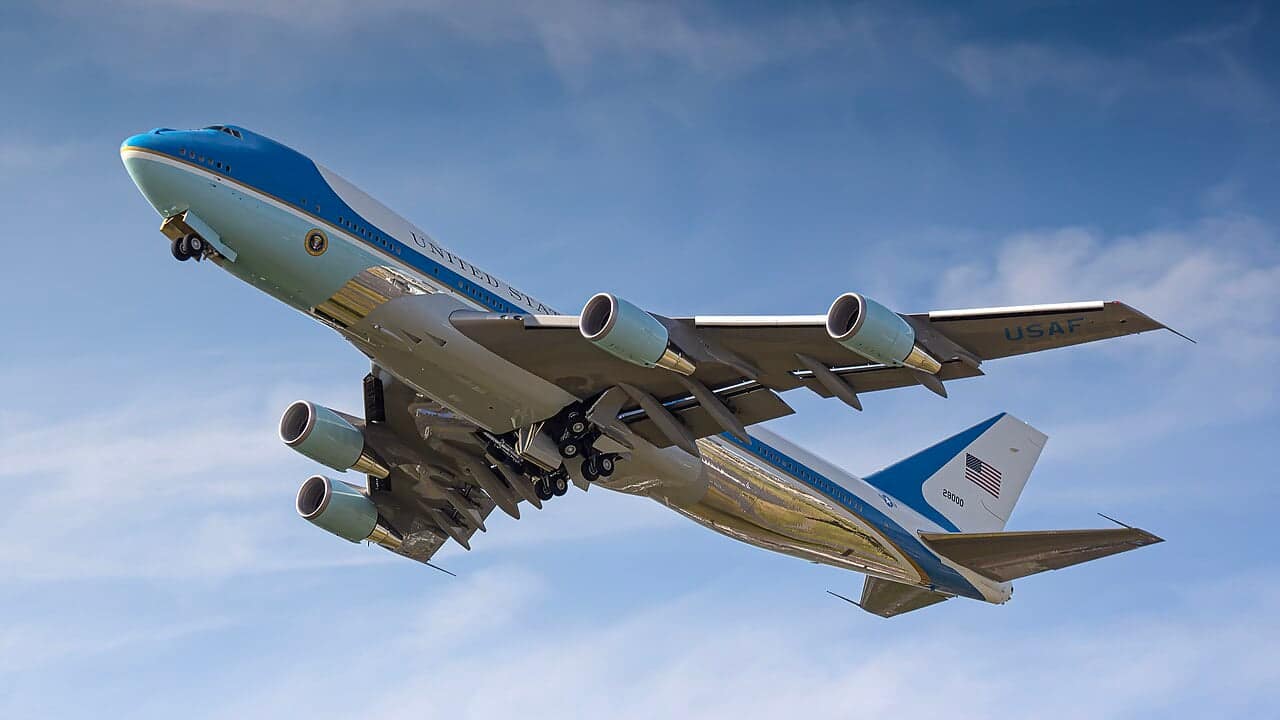
The image is almost too strange to be true: the President of the United States, having boarded Air Force One in front of the world’s cameras, quietly slipping back off the jet and into an airport catering truck — then flying home on a different plane entirely while the famous blue-and-white 747 took off as a decoy.
That is, by multiple accounts, what happened after the NATO summit in Ankara. And it has touched off a debate that has little to do with security tradecraft and everything to do with optics. Was this a smart protective operation, or, as one British newspaper columnist framed it, a national embarrassment? It is worth laying out both cases and letting readers decide.
We covered the operation itself in The President Who Wasn’t on Air Force One. This piece looks at the argument that has followed.
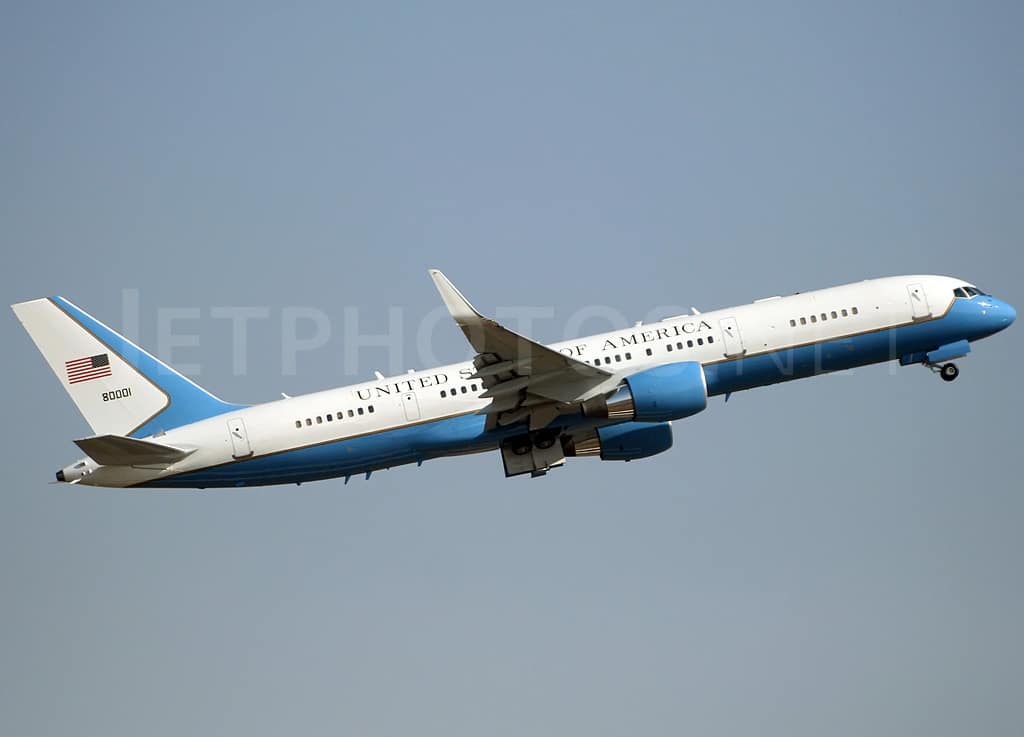
• Ce qui s'est passé: Trump publicly boarded the VC-25A, was moved by catering truck to a C-32A, and flew home separately
• The decoy: Air Force One flew on with staff and press aboard
• Pourquoi: a reported credible assassination threat linked to Iran
• The jets: the two VC-25A 747s entered service in 1990 (now 36 years old)
• Replacement: the new VC-25B is delayed to roughly 2028–2029; an ex-Qatari 747-8 serves as an interim “bridge”
The case that it was embarrassing (a columnist’s view)
The critical reading — argued in a column in The Times of London, and echoed across a good deal of commentary — goes like this. The world’s most powerful nation could not simply fly its president home. It had to smuggle him off his own aircraft in a food-service truck, aboard a jet family that first flew passengers in 1990, while its long-promised replacement runs years late and a second-hand Qatari 747 fills the gap. For critics, the catering-truck image is not clever; it is a symbol of a superpower’s presidential fleet showing its age. That is opinion, not fact — but it is the argument being made.
The case that it was simply smart
The other reading is just as straightforward. Decoy movements, body doubles and last-minute vehicle switches are old, well-understood tools of executive protection — used precisely because they work. Faced with what officials described as a credible threat, the Secret Service did what it is supposed to do: make the principal’s real location unpredictable. On this view, the operation succeeded, and mocking it mistakes a functioning security system for a failing one. Trump himself pushed back, saying he was arguably at greater personal risk on the smaller, unannounced jet than aboard the decoy.
That quote is about a different sore point — Boeing’s repeatedly delayed VC-25B — but it feeds the same story. Even the White House does not pretend the current jets are young.
The fleet behind the fuss
Strip away the politics and the aircraft facts are not in dispute. The two VC-25A jumbos have flown presidents since 1990. Their replacement, the VC-25B, has slipped to the end of the decade, which is why the administration pressed an ex-Qatari Boeing 747-8 into service in June 2026 as a stopgap. A president relying on 36-year-old jets and a borrowed airliner is exactly the backdrop that makes a catering-truck exit look, to critics, like more than a one-off.
So which is it — prudent tradecraft or national embarrassment? Reasonable people land on different answers, and this post takes neither side. The facts are the catering truck, the decoy and the ageing fleet. The verdict is opinion — and, for now, very much up for debate.
Sources: The Times (opinion); The Aviationist; The Hill; PBS NewsHour; ABC News; Fox Business.
Articles similaires
0 commentaire