
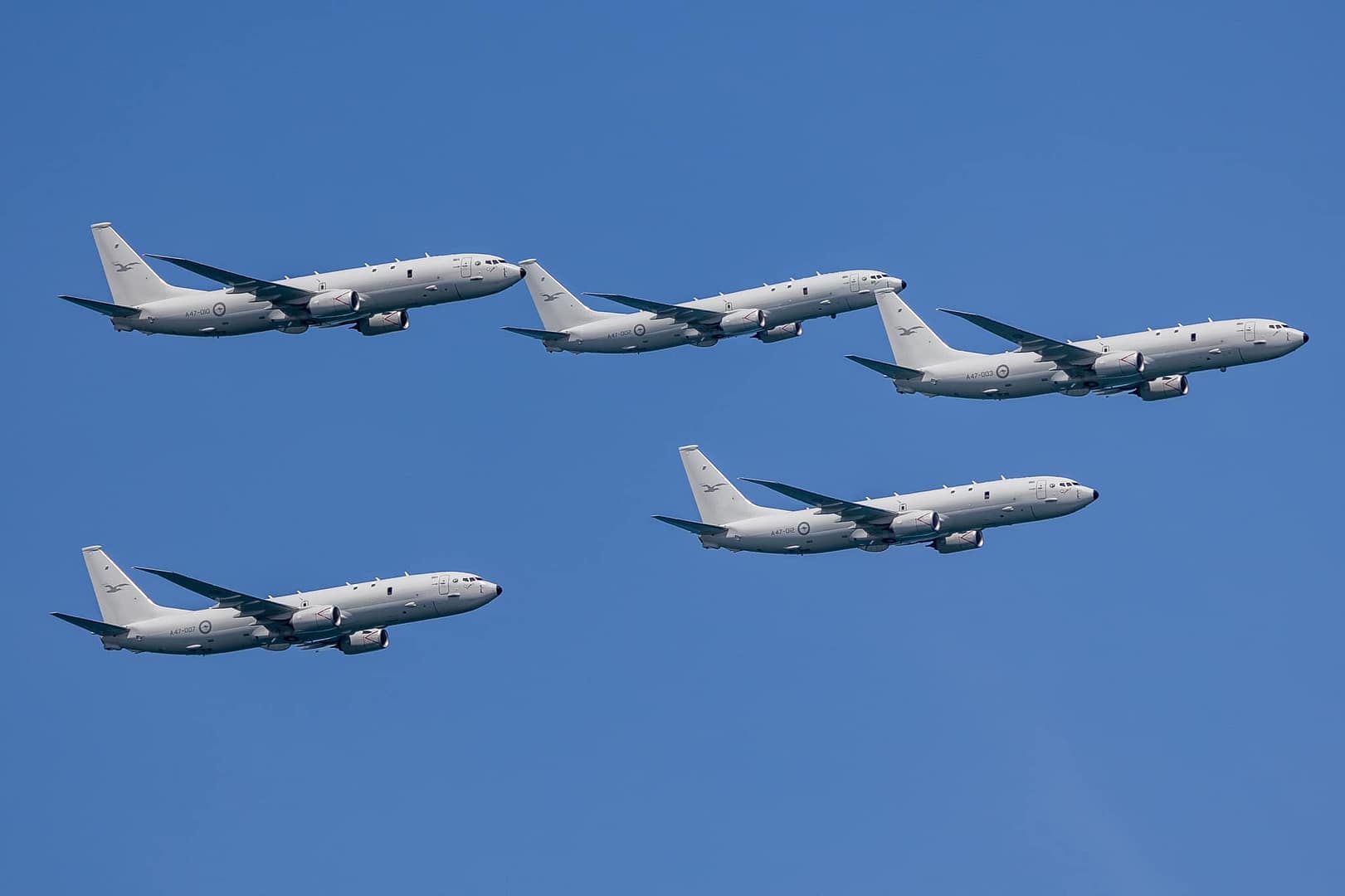
Australia has opened the Southern Hemisphere's first deep maintenance facility for the Boeing P-8A Poseidon maritime patrol aircraft, marking a significant expansion of the nation's self-reliance in sustaining one of the Western world's most important surveillance platforms.
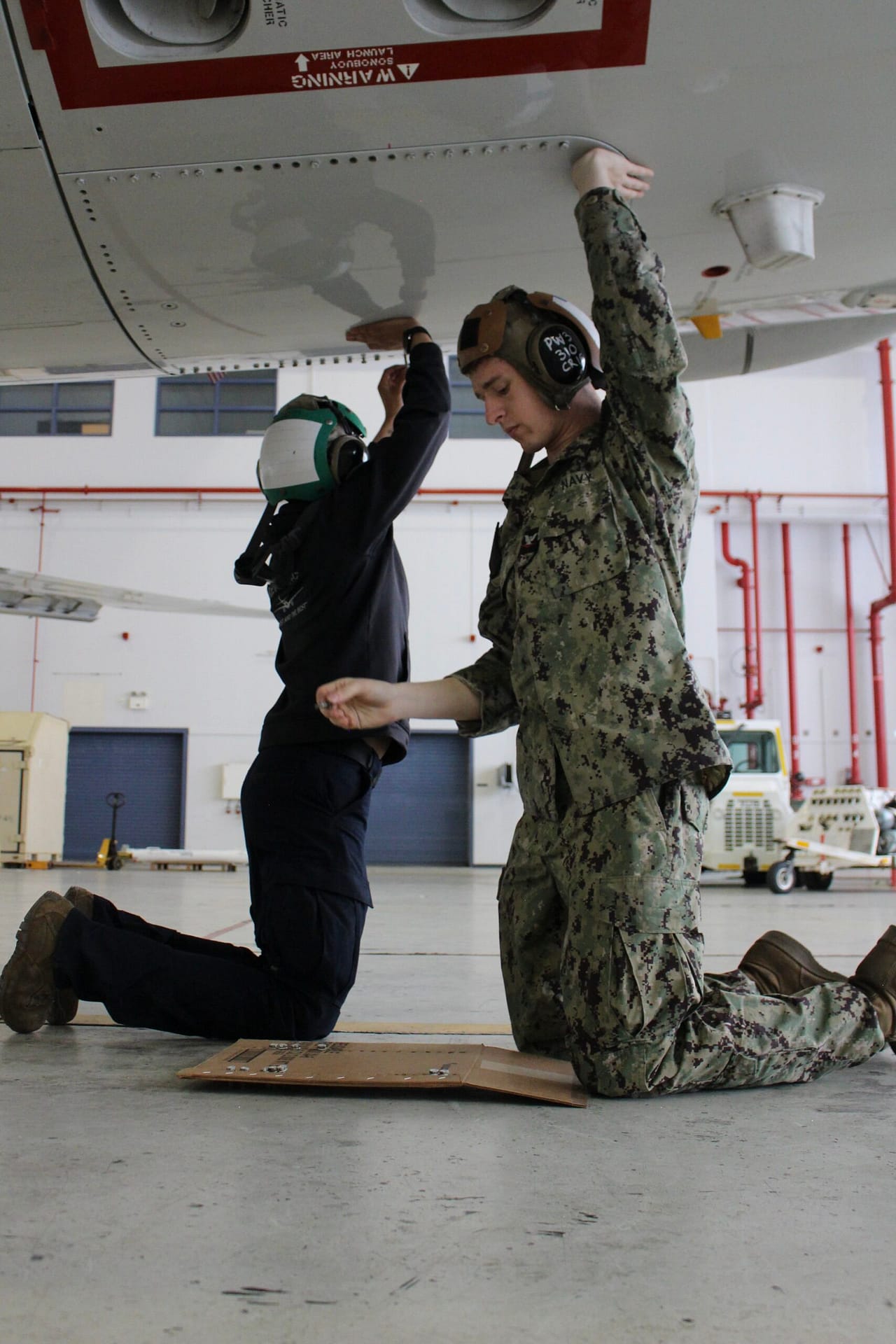
The A$200 million Deep Maintenance and Modification Facility at RAAF Base Edinburgh in South Australia was officially opened in mid-May 2026, following around two years of construction. The 240-metre-long building houses a four-bay hangar capable of accommodating the Boeing 737-derivative airframe for the kind of heavy structural work that previously required aircraft to be ferried to the United States.
A Regional Maintenance Hub
Until now, every allied P-8A operator in the Southern Hemisphere had to send aircraft back to Boeing's facilities in the United States for deep maintenance — the kind of strip-down inspections and structural overhauls that go far beyond routine servicing. That meant weeks of transit time and lengthy queues at American depots already handling U.S. Navy demand.
The Edinburgh facility changes that equation entirely. Australia's 14 P-8A Poseidons — operated by No. 11 Squadron, No. 12 Squadron, and No. 292 Squadron — will now cycle through maintenance on home soil. More significantly, the Royal New Zealand Air Force has confirmed its four P-8As will also undergo deep maintenance at the Australian facility from 2028.
Pourquoi c'est important
The P-8A Poseidon is the backbone of Western anti-submarine warfare and maritime surveillance capability. Based on the Boeing 737-800ERX airframe, it carries an advanced sensor suite including synthetic aperture radar, electro-optical sensors, and sonobuoy dispensers that can track submarines across vast ocean areas. In an era of expanding submarine fleets across the Indo-Pacific, keeping these aircraft mission-ready is a strategic imperative.
The four-bay hangar at Edinburgh can handle multiple aircraft simultaneously, dramatically reducing the maintenance backlog that has plagued P-8A operators. The 240-metre length of the building — roughly two and a half football fields — reflects the scale of work involved in deep maintenance of a 737-sized airframe, where panels are removed, structures are inspected for fatigue cracking, wiring is tested, and corrosion is treated.
Boeing Partnership
Boeing is a key partner in the facility, providing technical expertise and tooling support. The arrangement mirrors similar sovereign maintenance agreements Boeing has established with other allied nations for the F/A-18 Super Hornet and other platforms, but this is the first dedicated deep maintenance facility of its kind for the P-8A in the Southern Hemisphere.
The facility also supports Australia's growing defence industrial base in South Australia, which already hosts submarine construction at Osborne and the land vehicle centre of excellence at Edinburgh Parks. Defence officials have noted that the P-8A maintenance workforce will include both military technicians and civilian contractors, creating a sustained employment base in the Adelaide region.
For partner nations operating in the increasingly contested Indo-Pacific, the message is clear: Australia is investing not just in hardware but in the infrastructure to keep that hardware flying — independently, and closer to where it is needed most.
Questions connexes
Qu'est-ce que le P-8A Poseidon ?
The P-8A Poseidon is a maritime patrol and anti-submarine aircraft based on the Boeing 737-800 airframe. It carries synthetic aperture radar, electro-optical sensors, and sonobuoys to track submarines across vast ocean areas. It is the backbone of Western anti-submarine warfare, having largely replaced the older P-3 Orion.
Where is the Southern Hemisphere’s first P-8A maintenance facility?
It is at RAAF Base Edinburgh in South Australia. The A$200 million Deep Maintenance and Modification Facility opened in mid-May 2026 after about two years of construction. The 240-metre building houses a four-bay hangar for the heavy structural work previously only possible in the United States.
How many P-8A Poseidons does Australia have?
Australia operates 14 P-8A Poseidons, flown by No. 11, No. 12, and No. 292 Squadrons. Until the new Edinburgh facility opened, all of them had to be ferried to Boeing’s facilities in the United States for deep maintenance, causing weeks of transit time and long queues.
Will New Zealand use the Australian P-8 facility?
Yes. The Royal New Zealand Air Force has confirmed its four P-8A Poseidons will undergo deep maintenance at the Australian facility from 2028. This makes RAAF Edinburgh a regional hub for the Southern Hemisphere, reducing reliance on US depots already busy with the US Navy’s fleet.
Why does anti-submarine warfare matter in the Indo-Pacific?
With submarine fleets expanding across the Indo-Pacific, aircraft that can detect and track submarines are increasingly vital. The P-8A’s advanced sensors let it monitor huge ocean areas, and keeping these jets mission-ready strengthens allied maritime surveillance capability in the region.
0 commentaire