
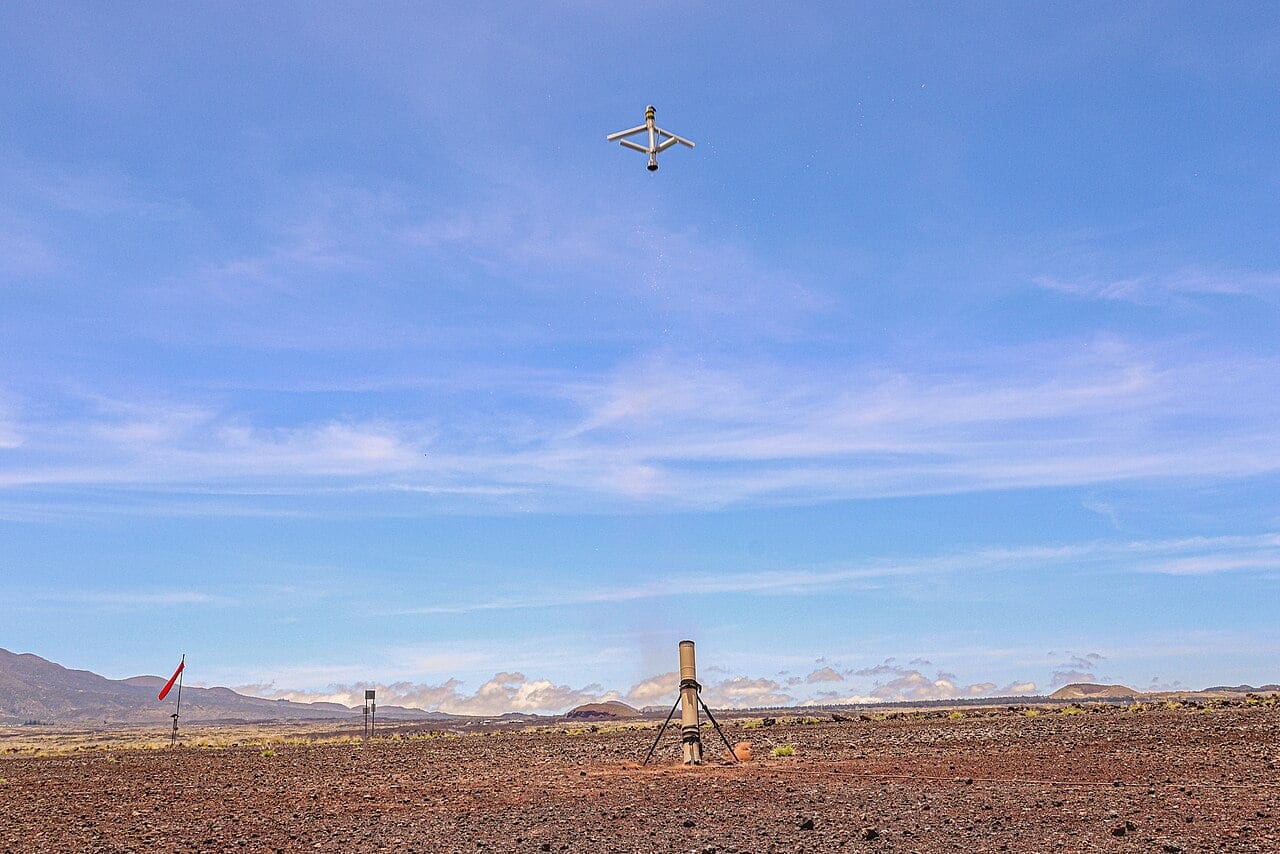
For years the drone story in the Middle East was about what the other side could do — Iranian Shaheds, Houthi one-way attackers, the slow bleed of American surveillance drones falling from the sky. This week, U.S. Central Command answered with a drone force of its own.
On 13 August 2026, CENTCOM announced Task Force Falcon Strike: what it calls the first-ever multi-domain, multinational attack-drone task force. The idea is a coalition armed with cheap one-way attack drones that strike from the air, across the surface of the sea and beneath it — run by American staff alongside regional partners.
It is a NATO-style drone club for the Gulf, and it did not appear from nowhere.
Informations clés
- Quoi: Task Force Falcon Strike, a multinational one-way attack-drone task force
- Annoncé : 13 August 2026 by U.S. Central Command
- Domains: air, surface and subsurface unmanned systems
- Run by: U.S. military support staff with regional partners
- Builds on: Task Force Scorpion Strike, stood up in December 2025
- Commander: Adm. Brad Cooper, CENTCOM
From Scorpion to Falcon
Falcon Strike is the sequel to Task Force Scorpion Strike, the Middle East one-way-attack-drone unit CENTCOM created in December 2025. Where Scorpion Strike proved the concept, Falcon Strike is meant to scale it — and, crucially, to fold in allied nations rather than keep it an American-only affair.
Cheap, expendable, and everywhere
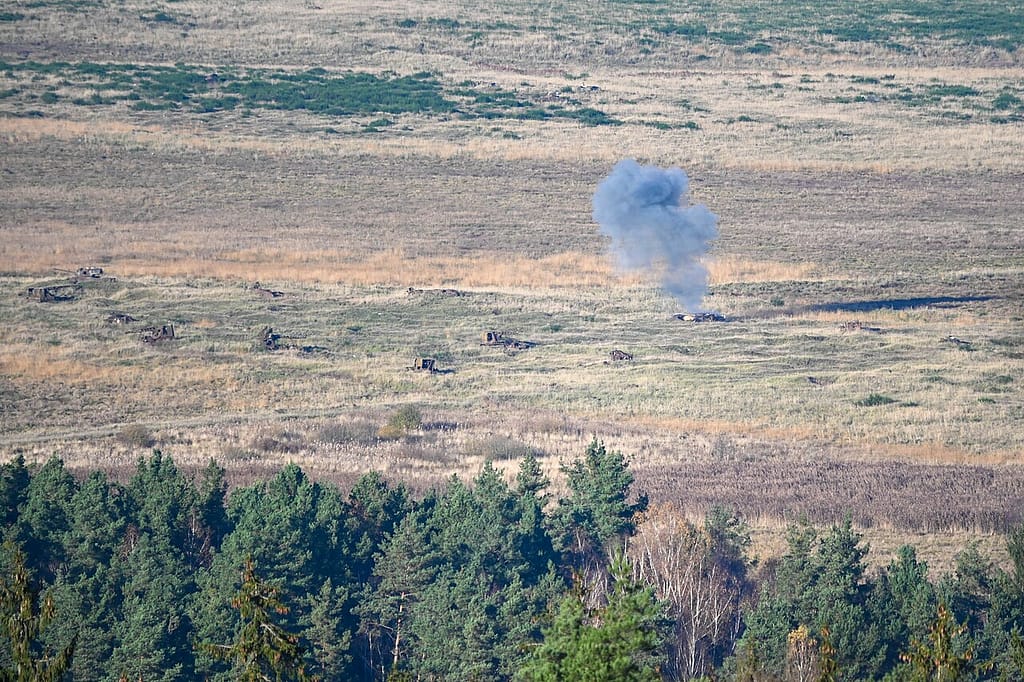
The logic is arithmetic. A one-way attack drone costs a fraction of the missile it might otherwise take to hit the same target, and losing one costs no pilot. Spread that capability across a coalition and you get a deterrent that is hard to saturate and cheap to replace — a direct answer to the swarming tactics the region has seen turned against Western forces.
A coalition, not a fleet
What makes Falcon Strike different is the word multinational. CENTCOM is betting that the fastest way to field mass is to share it — pooling the drones, tactics and industry of Gulf partners under one command.
The Middle East spent the last two years as the world’s laboratory for cheap airpower, mostly on the receiving end. Falcon Strike is CENTCOM’s bet that it can now run the experiment in the other direction.
Sources: U.S. Central Command; Army Times; The Aviationist; Forbes; Breaking Defense; The War Zone; Stars and Stripes. Announcement dated 13 August 2026.
0 commentaire