
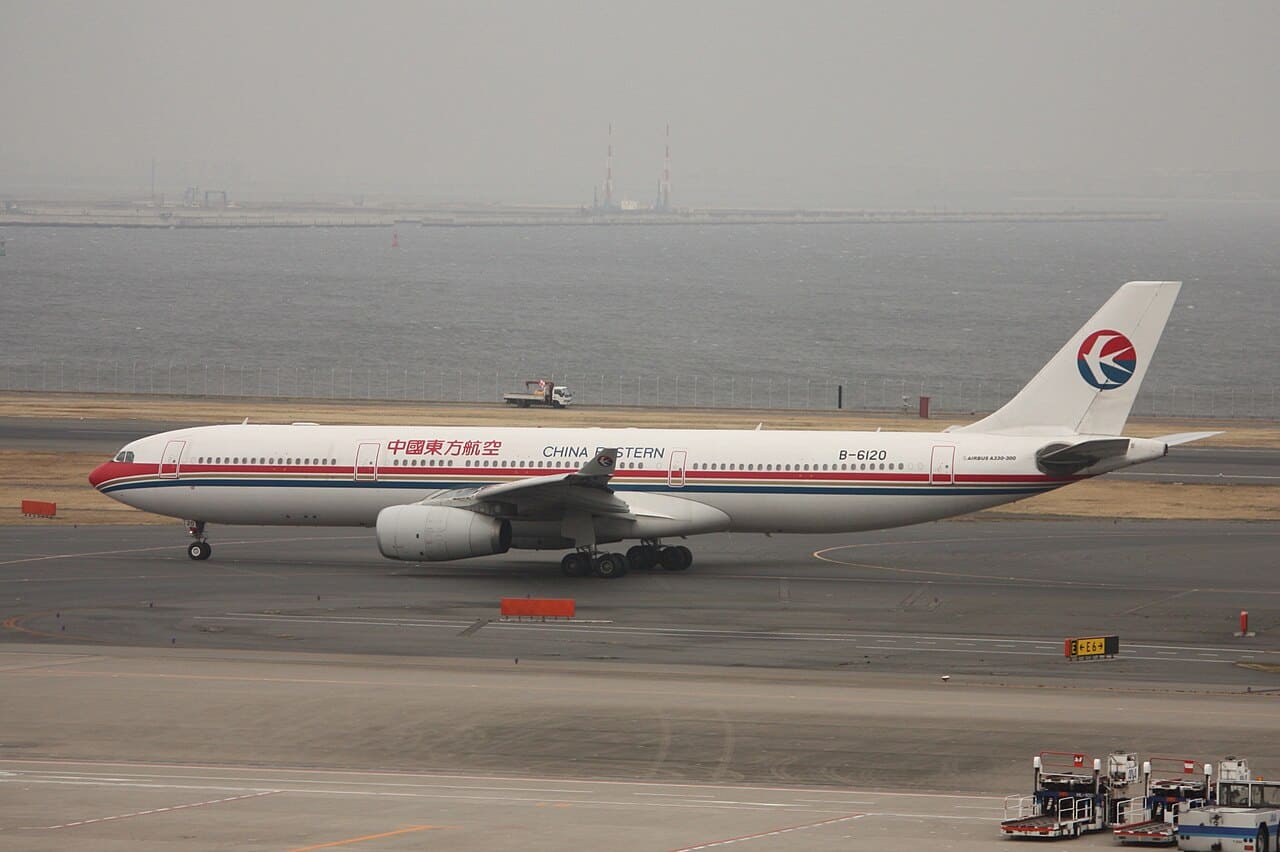
Vendredi après-midi à Shanghai, les dirigeants de China Eastern Airlines et d'Airbus ont signé un document qui redéfinit discrètement l'équilibre des forces sur le marché aéronautique le plus disputé au monde. L'accord porte sur 25 Airbus A330-900neo flambant neufs, d'une valeur catalogue d'environ 14 000 milliards de dollars américains. Les appareils seront livrés progressivement entre 2029 et 2033, modernisant ainsi l'une des trois principales compagnies aériennes chinoises pour une nouvelle ère des vols long-courriers.
Ce n'est pas la commande la plus spectaculaire de l'année – pas de record de 500 avions à la une, pas de nouveau modèle dévoilé. Mais c'est précisément le genre de victoire stratégique et progressive qui a discrètement permis à Airbus de prendre l'ascendant en Chine, tandis que Boeing s'est enlisé pendant des années dans les méandres des politiques commerciales et ses propres difficultés. Et pour China Eastern, c'est un pari sur l'avenir du transport intercontinental pour la prochaine décennie.
Voici ce que signifie concrètement cette décision — pour la compagnie aérienne, pour l'A330neo et pour le duel de longue date entre Européens et Américains qui se déroule dans le ciel chinois.
Informations clés
- Compagnie aérienne: China Eastern Airlines (basée à Shanghai, membre de SkyTeam)
- Commande: 25 Airbus A330-900neo gros-porteurs
- Valeur catalogue : ~$9,35 milliards de dollars US (prix catalogue de janvier 2025 ; le prix réel est fortement réduit et non divulgué)
- Signé : 26 juin 2026, Shanghai
- Livraisons : 2029–2033 (4 en 2029, 5 en 2030, 6 en 2031, 7 en 2032, 3 en 2033)
- Moteur: Rolls-Royce Trent 7000 (le seul moteur de l'A330neo)
- Base principale : Shanghai Pudong (PVG), pour des liaisons long-courriers étendues
Un prix catalogue que personne ne paie réellement
Commençons par examiner ce chiffre de 1 409,35 milliards de dollars américains, car il mérite une mention très claire. Ce montant provient directement du catalogue Airbus de janvier 2025 — le prix catalogue officiel du constructeur. Dans le secteur de l'aviation commerciale, presque personne ne paie ce prix.
Les grandes compagnies aériennes négocient des remises qui atteignent régulièrement plusieurs dizaines de pour cent du prix catalogue, surtout pour un appareil aussi éprouvé et fiable que l'A330. China Eastern a elle-même indiqué dans son dossier que le coût réel serait bien inférieur au prix catalogue et qu'elle avait obtenu des conditions plus avantageuses que lors de ses précédents accords avec le constructeur européen. Il faut donc considérer ces milliards annoncés comme un argument de vente, et non comme un paiement ferme.
Cette simple phrase résume toute la logique de l'opération. Il ne s'agit pas d'une expansion ostentatoire, mais d'un équilibre mesuré entre croissance et remplacement, visant à augmenter la capacité sur les lignes long-courriers rentables tout en retirant discrètement les appareils les plus anciens.
Ce que l'A330neo apporte réellement à China Eastern
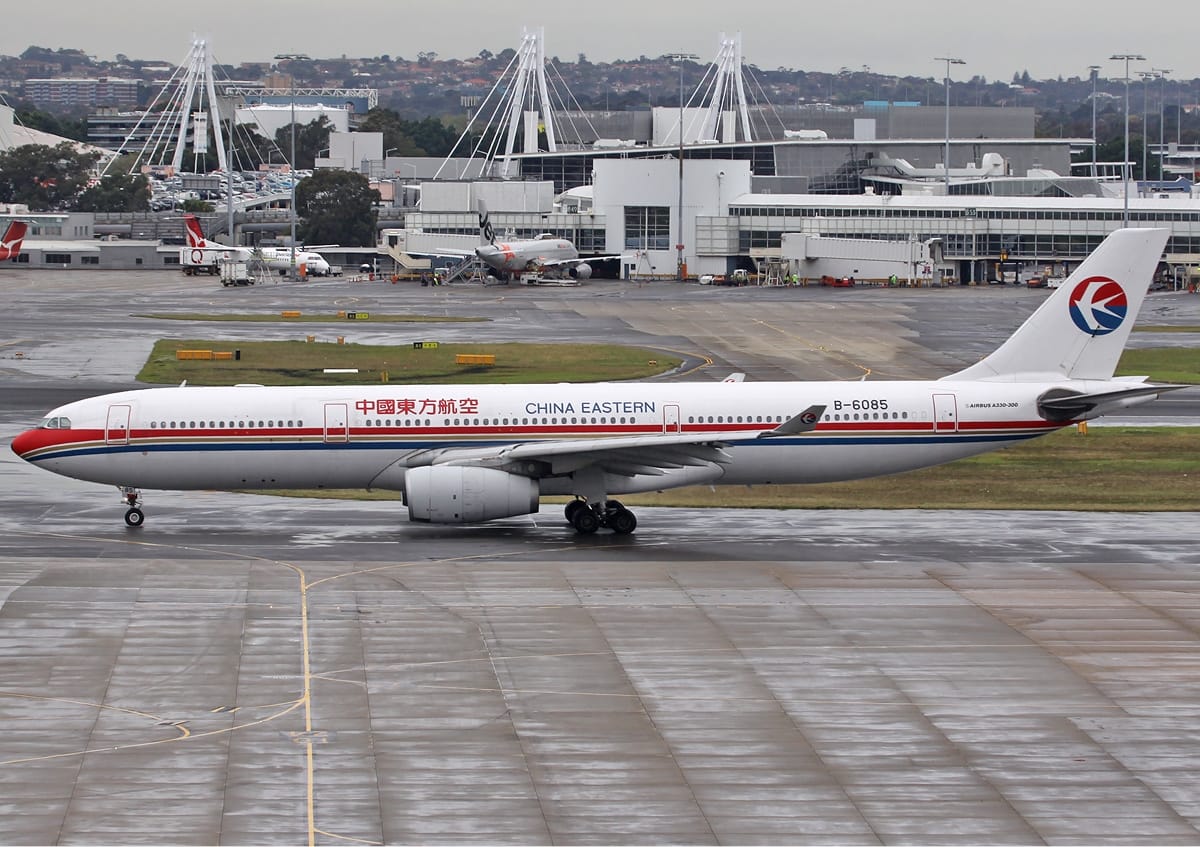
L'A330-900neo n'est pas un appareil entièrement nouveau. Il s'agit d'une évolution de l'A330, entièrement remotorisée et dotée d'ailes repensées – un type d'appareil que China Eastern connaît déjà parfaitement, puisqu'elle exploite des dizaines d'A330-200 et d'A330-300 plus anciens. Cette familiarité est essentielle. Les pilotes, les mécaniciens et le personnel au sol n'auront pratiquement rien à changer.
Ce qui change, c'est l'aspect économique. La nouvelle version remplace les anciens moteurs par des Rolls-Royce Trent 7000, est dotée de nouvelles ailes à ailettes Sharklet et son aérodynamisme est optimisé. Airbus annonce une réduction de la consommation de carburant d'environ 141 tonnes TP3T par siège par rapport à l'A330 de génération précédente. Pour une flotte assurant des vols intercontinentaux au départ de Shanghai, ce type d'économie représente un gain considérable sur la durée de vie de l'appareil, soit 20 ans.
L'autonomie est également un facteur important. L'A330-900 peut transporter environ 287 passagers en configuration standard sur plus de 7 000 milles nautiques, ce qui est largement suffisant pour relier Shanghai à la majeure partie de l'Europe, au Moyen-Orient, à l'Australie et à une grande partie de l'Amérique du Nord. Pour une compagnie aérienne souhaitant ajouter des destinations intercontinentales et augmenter la fréquence de ses vols sur les lignes existantes, c'est un outil judicieux : plus grand qu'un monocouloir, et moins coûteux à remplir qu'un avion amiral de 350 places.
China Eastern indique que les nouveaux appareils effectueront principalement des vols au départ de Shanghai Pudong, sa principale plateforme internationale. L'objectif est de les utiliser à la fois pour remplacer les A330ceo vieillissants et pour assurer la croissance de la compagnie : une stratégie classique permettant à la compagnie aérienne de se moderniser et de se développer simultanément.
Le moteur sous le capot
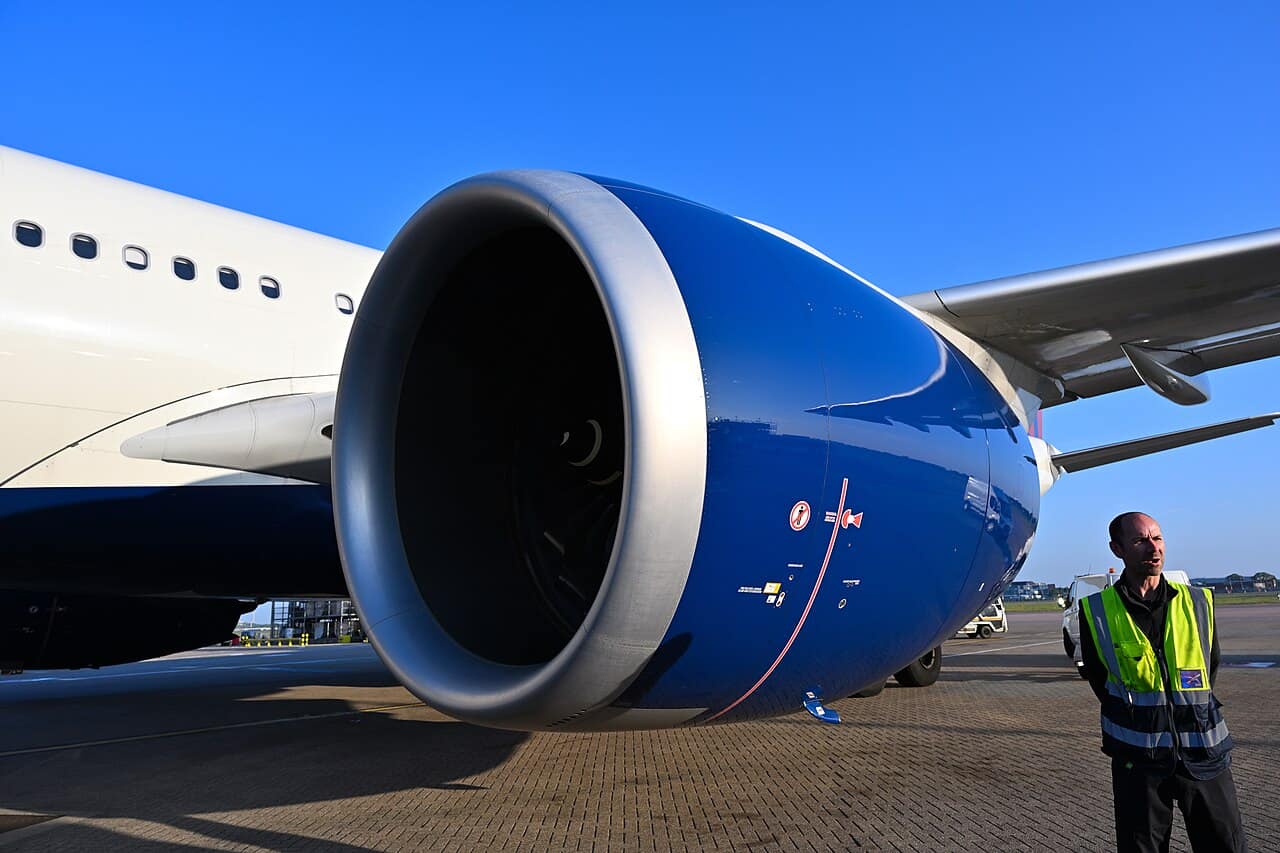
Tous les A330neo jamais construits partagent une caractéristique : ils sont exclusivement propulsés par le Rolls-Royce Trent 7000. Il n'existe pas de choix de moteur pour cet appareil — Airbus et Rolls-Royce ont signé un accord d'exclusivité pour ce type de moteur, donc lorsque vous achetez un A330neo, vous achetez un Trent.
Le Trent 7000 est une prouesse d'ingénierie. Comparé au Trent 700 qui équipait l'A330 d'origine, il double quasiment le taux de dilution (environ 10:1), divise par deux le bruit perçu et contribue de manière significative aux économies de carburant du neo. Pour China Eastern, l'avantage principal réside dans la fiabilité et l'efficacité accrues sur les longs vols ; en revanche, comme pour tout moteur provenant d'un seul fournisseur, l'efficacité énergétique des gros-porteurs de la compagnie est entièrement liée à ce constructeur de Derby.
Airbus et Boeing dans la course aux gros-porteurs chinois
En prenant du recul, l'accord révèle une histoire plus vaste. Pendant des années, Boeing a dominé le marché chinois des gros-porteurs avec les 777 et 787. Mais une combinaison de tensions commerciales, du feuilleton interminable du 737 MAX et des difficultés de production de Boeing a ouvert une brèche – qu'Airbus a su saisir.
Cette commande d'A330neo n'est pas un cas isolé. Trois mois auparavant, China Eastern avait passé une commande distincte auprès d'Airbus pour 101 monocouloirs de la famille A320neo. Si l'on ajoute à cela la commande de gros-porteurs, le message est clair : l'une des compagnies aériennes nationales chinoises mise résolument sur Toulouse pour l'ensemble de sa flotte.
L'A330neo joue un rôle spécifique dans cette compétition. C'est un gros-porteur économique : moins performant en termes d'autonomie et de taille que l'A350 ou le 777X, il est cependant moins cher à l'achat et à l'exploitation, et parfaitement dimensionné pour les liaisons moyen et long-courriers qui constituent l'essentiel du trafic aérien international chinois. Airbus l'a progressivement déployé auprès des compagnies aériennes chinoises, et chaque commande facilite la suivante : davantage de pièces détachées partagées, plus d'équipages formés et un soutien local renforcé.
Rien de tout cela ne signifie que Boeing a abandonné le marché chinois : la demande d’avions du pays est suffisamment importante pour les deux acteurs. Mais, commande après commande, l’équilibre des forces s’est déplacé. Le contrat avec China Eastern pour l’A330neo représente un atout supplémentaire de taille pour Airbus.
Un ordre discret aux implications retentissantes
La livraison de vingt-cinq avions en cinq ans ne fera pas la une des journaux. Pourtant, ce sont précisément ces contrats de renouvellement de flotte, certes peu glamour, qui détermineront la domination d'un marché dans dix ans. China Eastern se dote ainsi de gros-porteurs performants, éprouvés et adaptés à ses besoins pour développer son réseau long-courrier au départ de Shanghai. Airbus renforce sa présence en Chine. Et Rolls-Royce recevra cinquante nouveaux moteurs Trent 7000.
Lorsque le premier de ces avions atterrira à Pudong en 2029, l'actualité sera depuis longtemps passée à autre chose. L'appareil se mettra simplement au travail, ce qui, dans le secteur aérien, est l'essentiel.
Sources : Reuters, Aerotime, Bloomberg, South China Morning Post, Simple Flying, Aviation Week, ch-aviation, Airbus, Rolls-Royce.
Questions connexes
Combien d'Airbus A330neo China Eastern a-t-elle commandés ?
La compagnie aérienne China Eastern Airlines a commandé 25 Airbus A330-900neo, annoncée le 26 juin 2026. La valeur catalogue de cette commande s'élève à environ 1 409,35 milliards de dollars américains (prix catalogue de janvier 2025), bien que le prix payé par China Eastern bénéficie d'une importante réduction. Les livraisons s'échelonneront de 2029 à 2033.
Quel moteur équipe l'Airbus A330neo ?
L'Airbus A330neo est exclusivement propulsé par le Rolls-Royce Trent 7000. Il n'y a pas de choix de moteur sur ce type d'appareil : tous les A330-800 et A330-900 utilisent le Trent 7000, qui double approximativement le taux de dilution du Trent 700 plus ancien et contribue aux économies de carburant du neo.
L'A330neo est-il beaucoup plus efficient que l'ancien A330 ?
Airbus annonce une réduction de la consommation de carburant d'environ 141 tonnes TP3 par siège pour l'A330neo par rapport à l'A330 de génération précédente. Ces gains proviennent principalement des nouveaux moteurs Rolls-Royce Trent 7000, des ailes redessinées avec des ailerons Sharklet et des améliorations aérodynamiques.
Quand China Eastern recevra-t-elle ses A330neo ?
Les 25 A330-900neo de China Eastern devraient être livrés entre 2029 et 2033 — quatre en 2029, cinq en 2030, six en 2031, sept en 2032 et trois en 2033. Ils opéreront principalement depuis Shanghai Pudong sur des liaisons internationales long-courriers.
Pourquoi Airbus remporte-t-il plus de commandes que Boeing en Chine ?
Airbus a progressivement gagné du terrain en Chine, tandis que Boeing était freiné par les tensions commerciales, la crise du 737 MAX et des problèmes de production. La commande d'A330neo passée par China Eastern faisait suite à un contrat distinct portant sur 101 appareils de la famille A320neo, trois mois auparavant, soulignant ainsi la nette préférence de la compagnie pour Airbus au sein de sa flotte.
L'A330neo est-il un avion tout nouveau ?
Non. L'A330neo est une version remotorisée et dotée d'ailes modernisées de l'Airbus A330, appareil en service depuis de nombreuses années, et non une conception entièrement nouvelle. Cet héritage commun est un argument de vente majeur : les compagnies aériennes exploitant déjà l'A330 peuvent adopter le neo avec une formation minimale et grâce à la continuité des pièces détachées et du support.

0 commentaire