
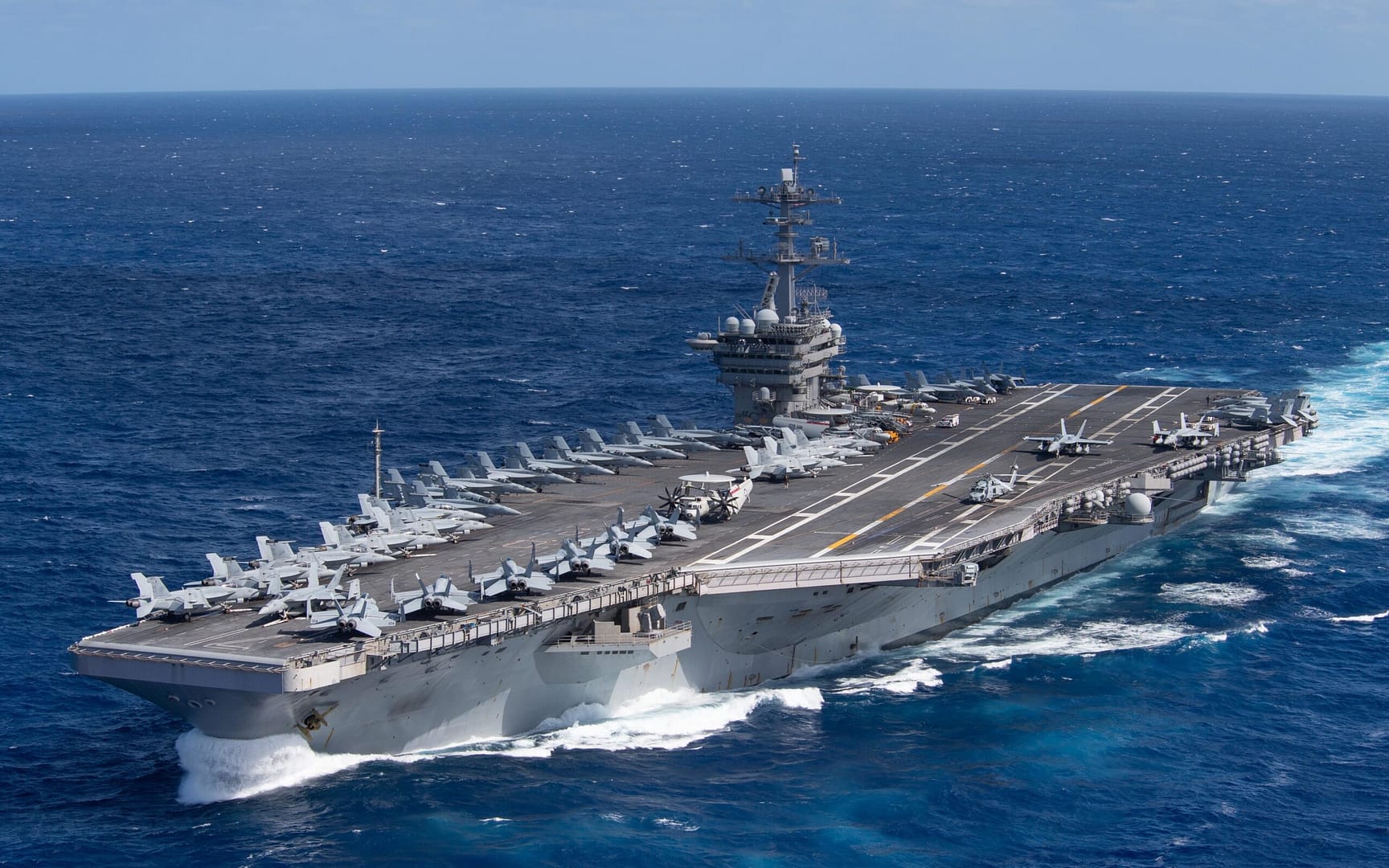
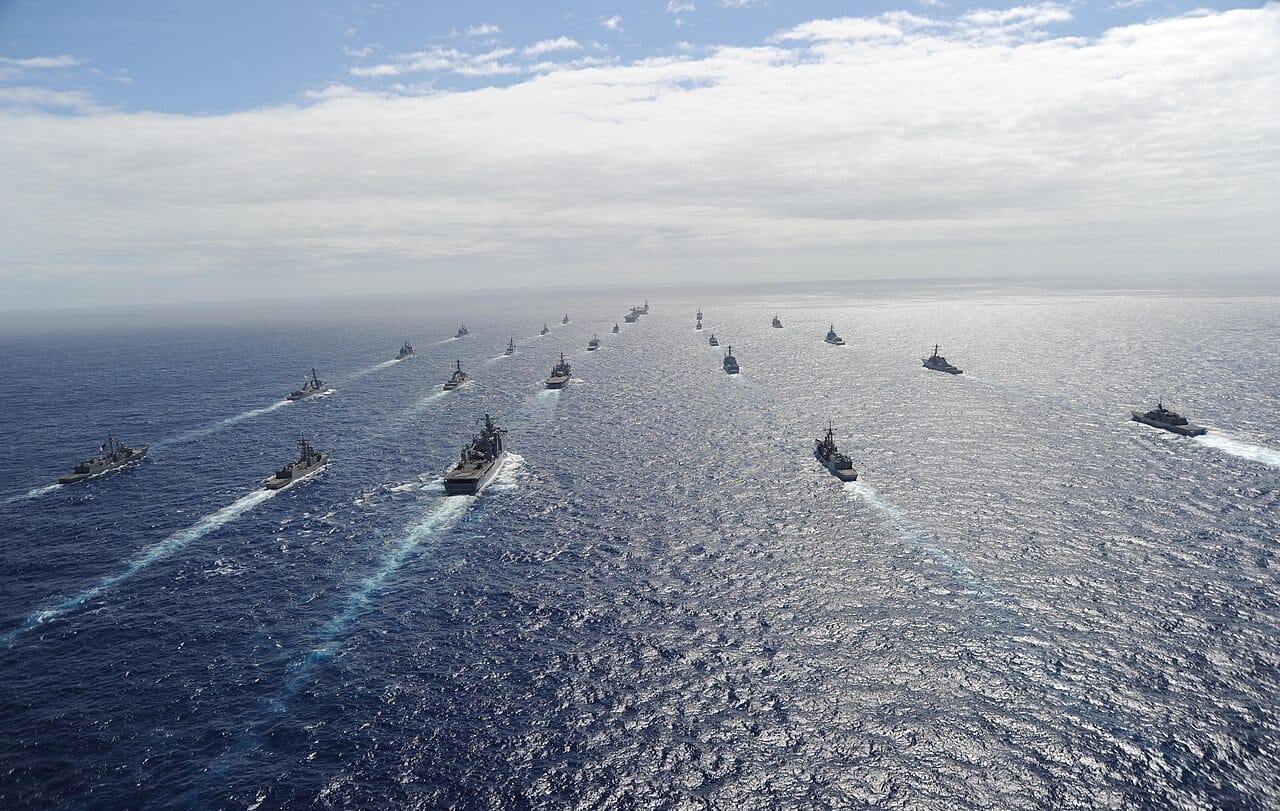
Le plus grand exercice maritime international au monde est en cours. Rim of the Pacific 2026, la 30e édition d'une série lancée en 1971, a débuté le 24 juin à la base aérienne conjointe de Pearl Harbor-Hickam, à Hawaï. Il se déroulera jusqu'au 31 juillet et les chiffres parlent d'eux-mêmes : 30 nations, 31 navires de surface, cinq sous-marins, plus de 206 aéronefs et environ 30 000 personnes opérant dans et autour des îles hawaïennes.
Le vice-amiral Jeff Jablon, commandant de la force opérationnelle combinée RIMPAC 2026 et commandant adjoint de la flotte américaine du Pacifique, a donné le ton lors de la conférence de presse d'ouverture : " En s'entraînant ensemble dans des scénarios complexes et réalistes, les nations participantes améliorent leur niveau de préparation, perfectionnent leurs compétences en matière de combat et renforcent l'interopérabilité nécessaire pour opérer efficacement côte à côte chaque fois et partout où cela est nécessaire. "
Un groupe aéronaval au centre
porte-avions USS Théodore Roosevelt Le porte-avions USS 71 (CVN-71) et son escadron aérien embarqué 9 (Carrier Air Wing 9) mènent le contingent américain. Le groupe aéronaval comprend le croiseur lance-missiles USS Chosin (CG-65), destroyers USS Paul Hamilton (DDG-60), USS Decatur (DDG-73), USS Wayne E. Meyer (DDG-108) et l'USS Carl M. Levin (DDG-120). Navire d'assaut amphibie USS Essex (LHD-2) complète la force de surface, opérant avec des éléments de la 15e unité expéditionnaire des Marines.
Sous les vagues, des sous-marins d'attaque USS Charlotte (SSN-766) et USS Colombie (SSN-771) participent. Charlotte Elle avait déjà fait la une des journaux en mars lorsqu'elle a torpillé et coulé la frégate iranienne IRIS. Dena Au large du Sri Lanka lors de l'opération Epic Fury — un engagement sous-marin réel rare qui ajoute une couche de crédibilité opérationnelle à sa présence dans la région RIMPAC.
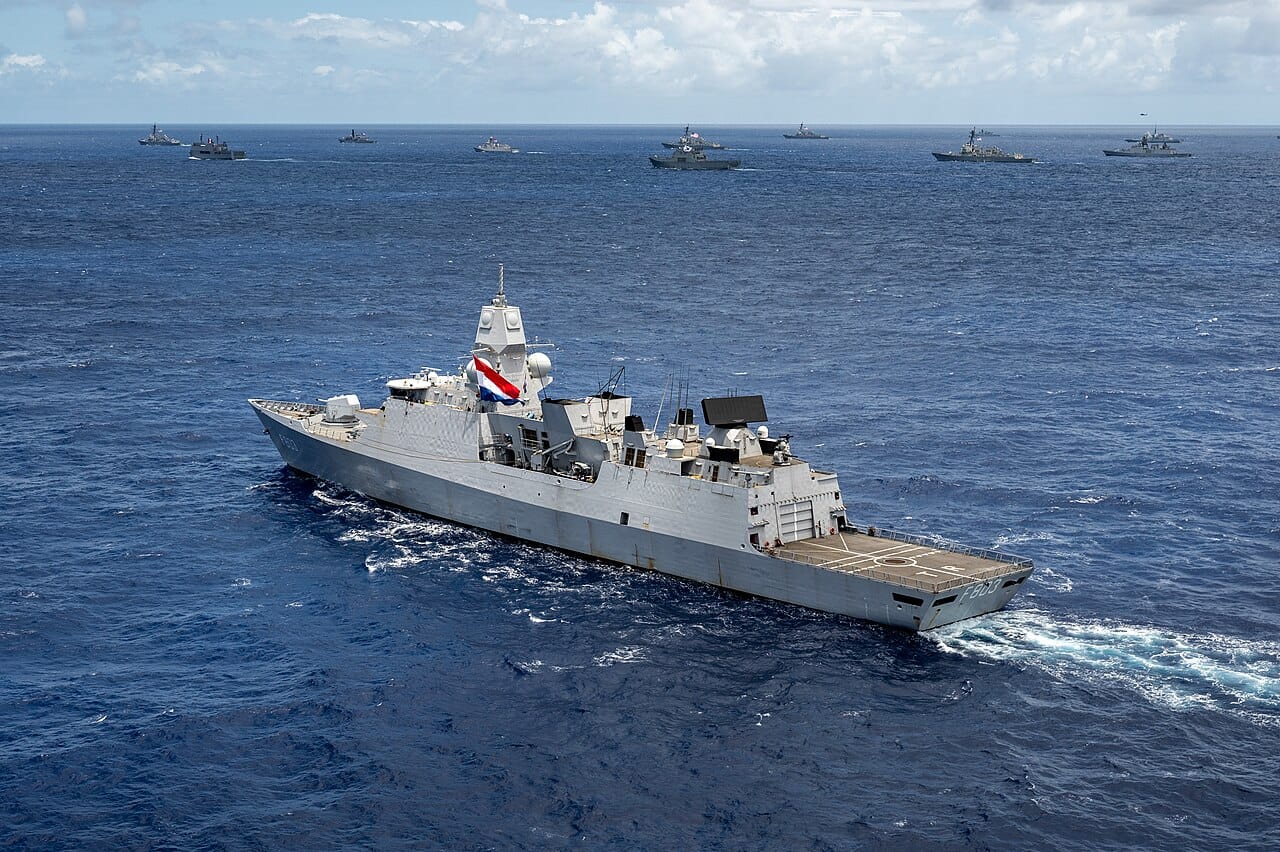
30 nations, un seul océan
Les nations participantes sont réparties sur quatre continents. L'US Navy n'a pas encore publié la liste complète des participants pour 2026, mais celle-ci compte un pays de plus que les 29 qui avaient pris part à RIMPAC 2024. Selon des informations en provenance d'Hawaï, la Pologne, l'Espagne, le Guatemala, la Grèce et les Fidji figurent parmi les nouveaux participants, rejoignant ainsi les habitués de RIMPAC tels que l'Australie, le Canada, le Chili, la France, l'Allemagne, l'Inde, le Japon, la République de Corée, le Royaume-Uni et les États-Unis. La présence de plusieurs nations à des postes de commandement reflète le caractère multinational de l'exercice : un commodore chilien occupe le poste de commandant adjoint, un contre-amiral japonais celui de commandant en second, un contre-amiral sud-coréen celui de commandant de la composante maritime et un général de brigade canadien celui de commandant de la composante aérienne.
Le thème pour 2026 est " Partenaires : Intégrés et préparés ", et le programme de formation couvre l'ensemble des opérations maritimes : débarquements amphibies, exercices de tir et de missiles, lutte anti-sous-marine, défense aérienne, assistance humanitaire, lutte contre la piraterie, contre-mesures de mines, déminage et opérations de plongée et de sauvetage.
Naufrages et robots armés
L'exercice RIMPAC comprend traditionnellement un exercice de naufrage (SINKEX), et l'édition 2026 ne fait pas exception. Le croiseur désarmé de classe Ticonderoga, ex-USS Baie de Mobile et le navire d'assaut amphibie de classe Tarawa ex-USS Peleliu (LHA-5) servira de cible de tir réel — soumise à des missiles, des torpilles et des bombes des nations participantes dans ce qui constitue l'événement d'entraînement le plus spectaculaire de l'exercice.
Mais la dimension autonome pourrait s'avérer plus déterminante à long terme. Saildrone et Lockheed Martin ont annoncé leur intention de réaliser une démonstration de tir réel d'un lanceur de missile air-sol interarmées (JAGM) monté sur un navire de surface sans pilote Saildrone Surveyor, contre une cible en manœuvre. Parallèlement, HavocAI fera la démonstration du ravitaillement autonome de navires de guerre américains et alliés – une opération logistique multinationale autonome inédite.
Premier échange international d'hélicoptères sur un porte-avions
Le 27 juin, l'USS Théodore Roosevelt Le porte-avions a accueilli plus de 45 militaires de huit pays – les États-Unis, la Corée du Sud, l'Italie, le Pérou, le Chili, la Nouvelle-Zélande, l'Australie, le Canada et le Mexique – pour un échange international d'hélicoptères. Les pilotes visiteurs ont visité le hangar, le pont d'envol et les espaces de navigation, comparant les procédures et discutant des défis spécifiques liés à l'utilisation d'aéronefs à voilure tournante en milieu maritime. Ce type d'échange discret et professionnel, qui renforce l'interopérabilité, fait rarement la une des journaux, mais influence la manière dont les coalitions mènent des opérations.
Que signifie RIMPAC pour l'Indo-Pacifique ?
L'exercice RIMPAC se déroule depuis 1971 – annuellement lors de ses premières années, puis tous les deux ans depuis le milieu des années 1970 – passant d'une poignée de marines du Pacifique à l'exercice tentaculaire réunissant 30 nations qu'il est aujourd'hui. L'édition 2026 est la plus importante jamais organisée, et son calendrier – dans un contexte de tensions croissantes dans le détroit de Taïwan et d'instabilité persistante au Moyen-Orient – souligne l'importance stratégique que Washington accorde à la démonstration de la puissance navale de la coalition dans le Pacifique. Lorsque 30 nations déploient leurs navires de guerre côte à côte à Pearl Harbor, le message adressé à tout adversaire potentiel est sans équivoque : vous n'affronterez pas une seule marine, mais toutes.
L'exercice RIMPAC 2026 se déroule jusqu'au 31 juillet. Au programme : des exercices de tir réel de submersion, des opérations de groupes aéronavals, des débarquements amphibies et, pour la première fois à cette échelle, des démonstrations de combat et de logistique autonomes susceptibles de redéfinir la manière dont les marines alliées opèrent ensemble dans les décennies à venir.
Questions connexes
Qu'est-ce que RIMPAC ?
RIMPAC (Rim of the Pacific) est le plus grand exercice maritime international au monde, organisé près d'Hawaï tous les deux ans depuis 1971. L'édition 2026 est la 30e de la série, organisée par la flotte américaine du Pacifique.
Quand aura lieu RIMPAC 2026 ?
L'exercice RIMPAC 2026 se déroulera du 24 juin au 31 juillet 2026, basé à la base conjointe Pearl Harbor-Hickam, à Hawaï, avec des opérations réparties sur les îles hawaïennes environnantes.
Combien de nations et de forces participent à RIMPAC 2026 ?
RIMPAC 2026 rassemble 30 nations, 31 navires de surface, cinq sous-marins, plus de 206 aéronefs et environ 30 000 personnes – soit une nation de plus que les 29 qui ont participé en 2024.
À quelle fréquence se tient RIMPAC ?
L'exercice RIMPAC a lieu tous les deux ans. L'édition 2026 fait suite à celle de 2024 et s'inscrit dans une série d'exercices débutée en 1971, en pleine guerre froide.
Quel porte-avions sera en tête de RIMPAC 2026 ?
Un groupe aéronaval construit autour du porte-avions USS Theodore Roosevelt est le pilier de RIMPAC 2026. Des exercices de ce type mettent souvent en valeur de nouvelles capacités, telles que… Le rôle anti-navire du bombardier B-2 Démonstration à Valiant Shield.
Quels sont les nouveaux pays participant à RIMPAC 2026 ?
Des reportages en provenance d'Hawaï indiquent que la Pologne, l'Espagne, le Guatemala, la Grèce et les Fidji figurent parmi les nouveaux participants, rejoignant ainsi des pays habitués comme l'Australie, le Canada, la France, le Japon, la Corée du Sud, le Royaume-Uni et les États-Unis. Ces exercices reflètent également les priorités qui sous-tendent des programmes comme… Le prochain avion de chasse de l'US Navy.

0 commentaire