
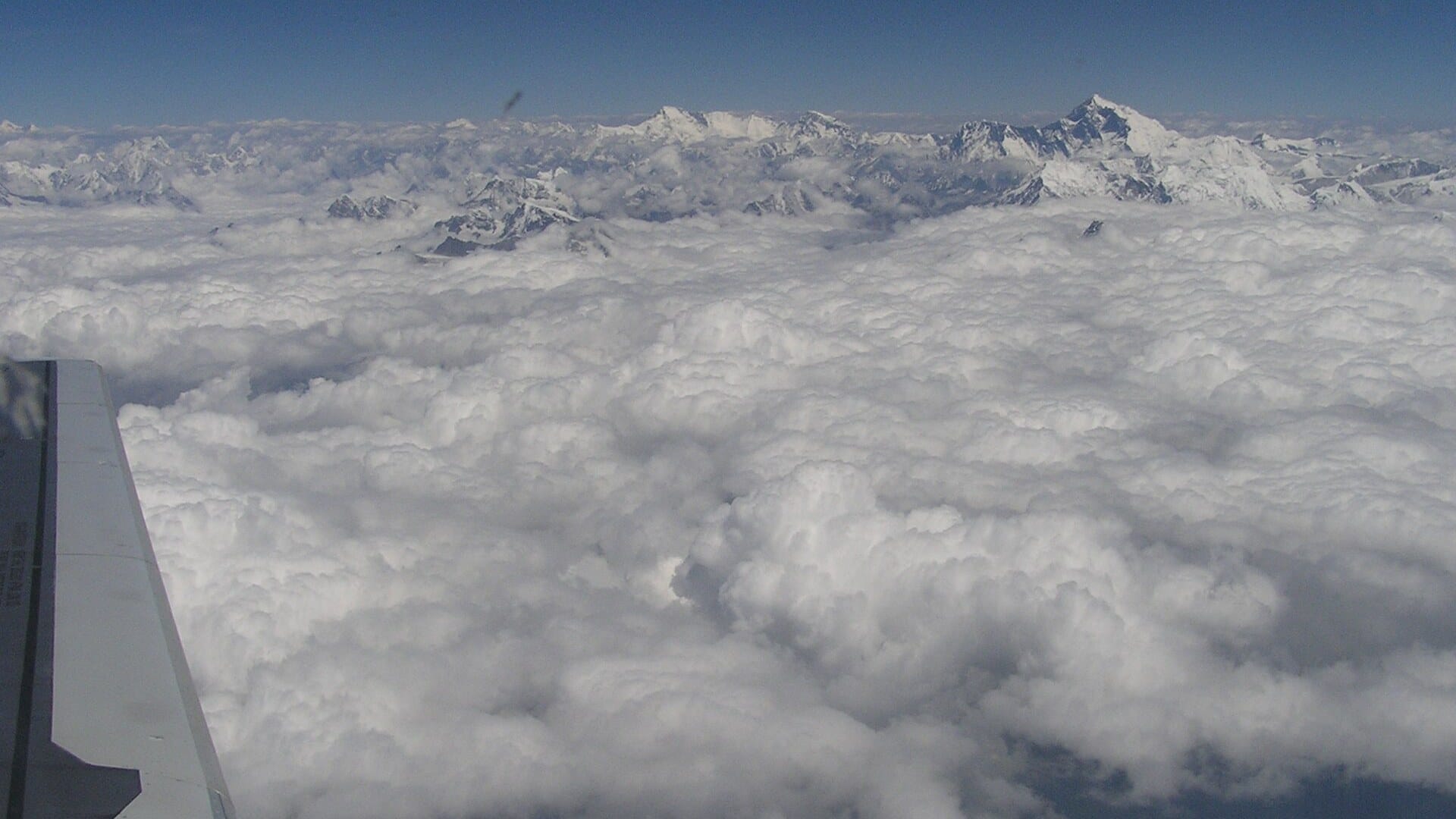
Consultez un service de suivi des vols en temps réel et observez les voies aériennes entre l'Europe et l'Asie de l'Est. Des centaines d'icônes d'avions jaunes sillonnent la Sibérie, l'Asie centrale et l'Inde. Et au milieu de tout cela se trouve un vide immense, de la taille de l'Europe occidentale : le plateau tibétain.
Il ne s'agit pas d'une zone d'exclusion aérienne. Aucune réglementation ne porte la mention “ Tibet ” en lettres rouges. Les compagnies aériennes évitent la région pour une raison bien plus simple : en cas de problème, les procédures d'urgence standard – celles qui fonctionnent partout ailleurs dans le monde – sont tout simplement inapplicables.
Voici pourquoi le toit du monde est le ciel le plus vide de l'aviation.
Informations pratiques : Survol du Tibet
| L'obstacle | Plateau tibétain — altitude moyenne d'environ 4 500 m (14 800 pieds), sommets bien plus élevés |
| La règle | Après la décompression de la cabine, descendre à 3 000 m (10 000 pi) — impossible au-dessus du plateau |
| Oxygène | Les masques standard pour passagers fournissent de l'oxygène pendant environ 12 à 22 minutes. |
| Détournements | Très peu d'aéroports ; Daocheng Yading est l'aéroport civil le plus haut du monde à 4 411 m (14 472 pieds) |
| L'exception | La voie aérienne L888 — la “ Route de la Soie ” — est réservée aux opérateurs spécialement équipés et agréés. |
| Bonus de risque | Turbulences du courant-jet et ondes orographiques au large de l'Himalaya |
Le problème des 3 000 mètres
En cas de dépressurisation de la cabine, la procédure est d'une simplicité brutale : les masques à oxygène se déploient, les pilotes piquent du nez et l'avion descend à 3 000 mètres (10 000 pieds), altitude à laquelle la respiration humaine est possible sans assistance. Les générateurs d'oxygène chimiques alimentant votre masque jaune ne constituent pas une solution à long terme. Leur autonomie est généralement de 12 à 22 minutes, selon l'appareil.
C'est largement suffisant, partout sauf au Tibet. Le fond des vallées du plateau se situe à environ 4 500 mètres d'altitude. Sur de vastes zones, l'altitude minimale de sécurité permettant de voler en toute sécurité dépasse les 6 100 mètres pendant plusieurs heures. Il est impossible de descendre à une altitude respirable, car le sol est situé au-dessus.
Une panne moteur crée le même piège, mais au ralenti. Si un moteur tombe en panne sur un biréacteur, le moteur restant ne peut plus maintenir l'altitude de croisière ; l'avion descend alors jusqu'à une altitude comprise entre 6 000 et 7 500 mètres. Au-dessus de l'océan, pas de problème. Mais au-dessus d'un relief culminant à 4 500, 6 000, voire 8 800 mètres ? Une panne gérable se transforme alors en un problème lié au terrain.
Nulle part où atterrir
Chaque vol long-courrier est planifié en fonction de cette question : où aller en cas de problème ? Sur la majeure partie du globe, la réponse est une succession d'aéroports de dégagement situés à une heure de route ou moins. Sur le plateau tibétain, la réponse est un haussement d'épaules. Les aéroports sont rares, éloignés les uns des autres et perchés à des altitudes extrêmes.
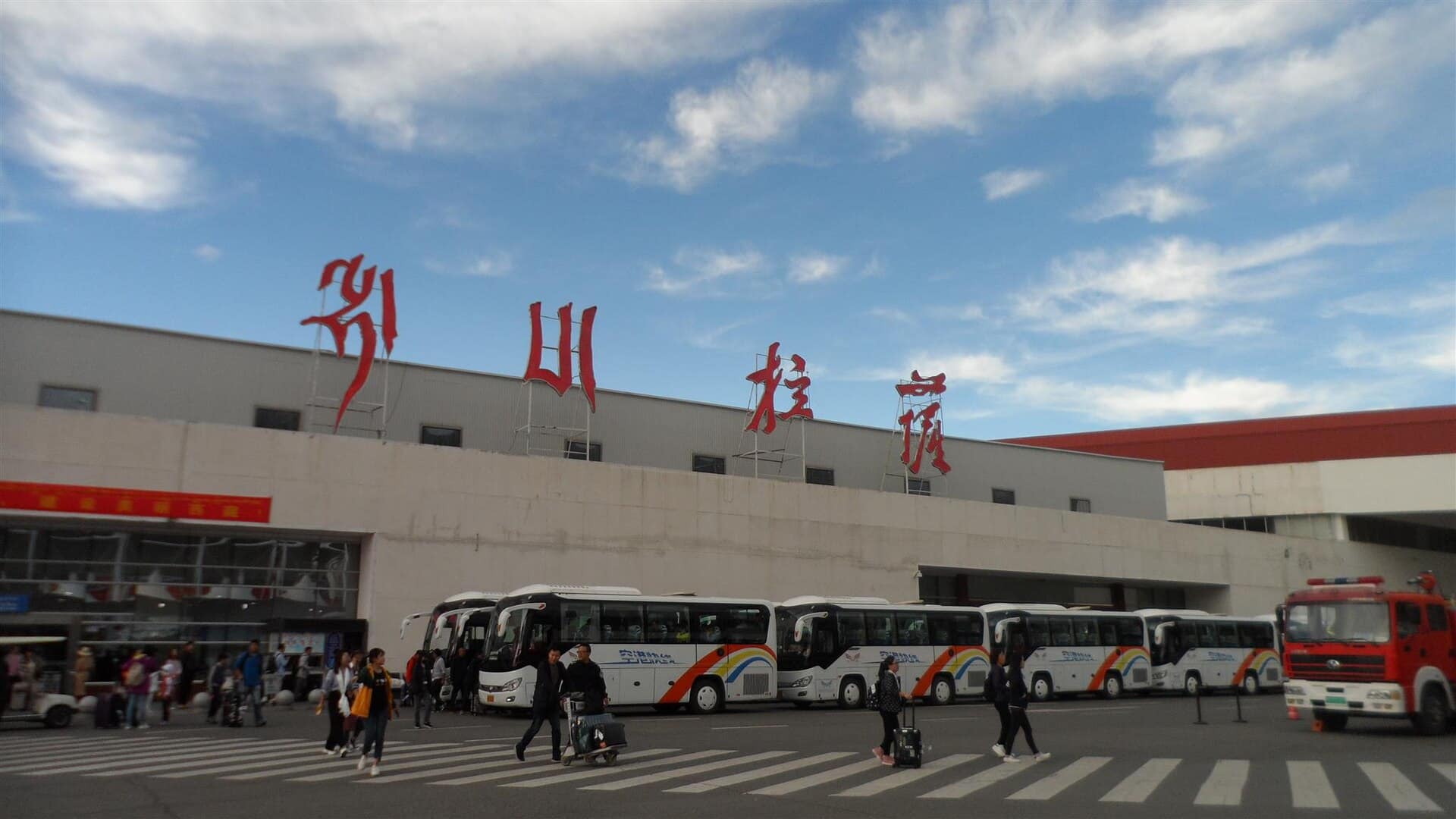
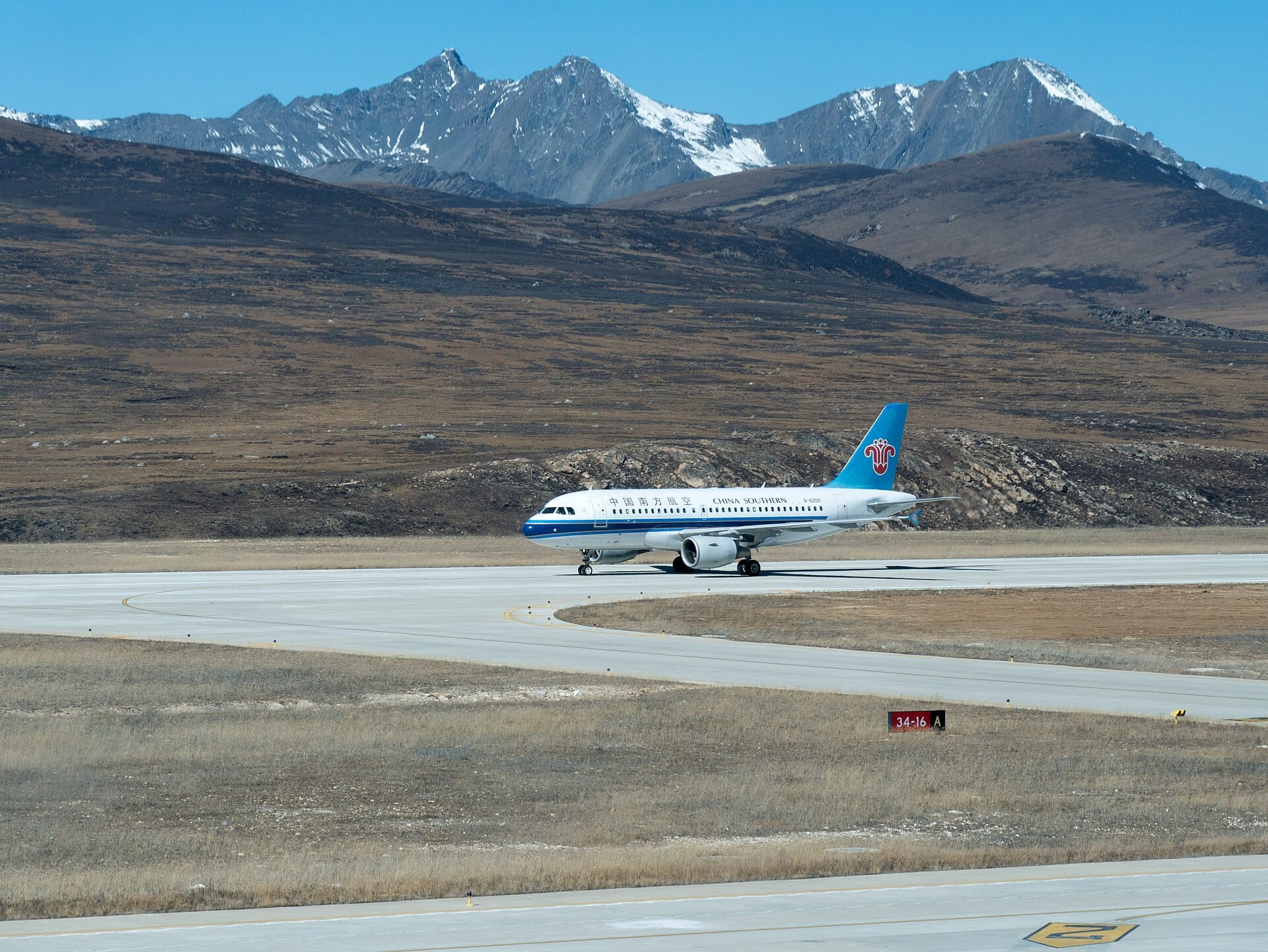
L'atterrissage sur ces pistes est une discipline à part entière. L'air raréfié implique des vitesses d'approche réelles plus élevées, des distances d'atterrissage plus longues, des performances ascensionnelles réduites en cas de remise de gaz et des moteurs produisant une poussée sensiblement moindre. Les compagnies aériennes chinoises desservant Lhassa et les autres aéroports d'altitude de la région effectuent ces opérations avec des équipages et des appareils spécialement certifiés ; il ne s'agit pas d'une manœuvre improvisée par un vol long-courrier de déroutement à 3 h du matin.
L'exemple le plus extrême : Daocheng Yading, à l'extrémité orientale du plateau, l'aéroport civil le plus haut du monde à 4 411 mètres d'altitude. Sa piste est située plus haut que le sommet de l'Eiger.
L'air le plus turbulent de la Terre
Vient ensuite le phénomène lui-même. Le courant-jet subtropical longe l'Himalaya, et lorsque des vents de 100 à 200 km/h s'abattent sur cette paroi rocheuse de 2 500 kilomètres, l'atmosphère en aval se transforme en une véritable machine à laver. Des ondes orographiques et des tourbillons se propagent bien au-dessus des sommets, et les turbulences qu'ils engendrent en air clair sont invisibles aux radars météorologiques.
Les équipages volant près du plateau surveillent également la température du carburant : l’air y est exceptionnellement froid, et sur les longs trajets, le fait que le carburant d’aviation se rapproche de son point de congélation est une véritable considération opérationnelle, et non une simple note de bas de page théorique.
L'exception : la voie aérienne de la Route de la Soie
Cela ne signifie pas pour autant que le plateau soit intact. La Chine exploite quatre voies aériennes de haute altitude traversant la région — L888, Y1, Y2 et Y3 — et la L888 porte un surnom tout droit sorti d'un livre d'histoire : la voie aérienne de la Route de la Soie, car elle longe l'ancien corridor commercial entre l'Orient et l'Occident.
Emprunter cette route est un privilège qui se mérite. Les autorités chinoises exigent la surveillance ADS, la liaison de données entre le contrôleur et le pilote, ainsi que les communications vocales par satellite. Chaque opérateur doit également déposer des procédures de “ route d'évacuation ” spécifiques à chaque appareil : des couloirs de descente pré-planifiés menant à des aéroports de dégagement comme Chengdu, Kunming, Urumqi et Kashgar. Les avions embarquent une réserve d'oxygène bien supérieure à la normale, dimensionnée pour durer jusqu'à ce que l'appareil puisse atteindre de l'air respirable. Qantas a étudié cette route pour ses 747 dès 1997 ; parmi les opérateurs autorisés figurent aujourd'hui une poignée de grandes compagnies aériennes, dont Cathay Pacific, et, depuis 2024, DHL European Air Transport, dont les A330 permettent de gagner environ 20 minutes et près de deux tonnes de carburant par vol en empruntant ce raccourci.
Interrogez ceux qui le pilotent réellement, et vous obtiendrez un mélange d'admiration et de respect.
Pour les compagnies aériennes, le calcul est convaincant : chaque minute non passée à survoler le plateau représente une économie de carburant et de réductions d'émissions.
Alors la prochaine fois que votre vol Hong Kong-Londres semble faire un étrange détour vers le nord au-dessus d'Urumqi ou vers le sud au-dessus de l'Inde, souvenez-vous : l'avion n'est pas perdu. Il évite soigneusement le seul endroit au monde où l'atterrissage n'est plus possible.
Sources : OPSGROUP (International Ops), DHL / European Air Transport Leipzig, AIP China (CAAC), Flight Global, Interesting Engineering
Questions connexes
Pourquoi les avions de ligne ne survolent-ils pas le Tibet ?
Les avions de ligne évitent le plateau tibétain car il ne s'agit pas d'une zone d'exclusion aérienne réglementaire, mais d'un véritable piège en cas d'urgence. L'altitude moyenne du plateau, d'environ 4 500 mètres, avec des sommets bien plus élevés, rend impossible la procédure d'urgence standard utilisée partout ailleurs, consistant à descendre à une altitude respirable. Il en résulte un vide de la taille de l'Europe occidentale dans les couloirs aériens mondiaux.
Que se passe-t-il si un avion subit une décompression au-dessus du Tibet ?
En cas de dépressurisation d'une cabine, la procédure standard consiste à descendre rapidement à environ 3 000 mètres d'altitude, où l'air est respirable. Au-dessus du plateau tibétain, cela est impossible, car le sol se situe à une altitude supérieure, atteignant 4 500, 6 000 et même 8 800 mètres. La descente en toute sécurité est donc impossible.
Quelle est la durée de vie des masques à oxygène pour passagers ?
Les masques à oxygène rétractables dans une cabine d'avion sont conçus pour alimenter les passagers pendant une durée limitée, le temps nécessaire à l'équipage pour descendre à une altitude respirable d'environ 3 000 mètres. Ils ne sont pas prévus pour assurer l'approvisionnement en oxygène de la cabine pendant les heures qu'impliquerait la traversée d'un terrain montagneux, raison pour laquelle les itinéraires évitent le plateau tibétain. Voir aussi : Pourquoi Les cabines sont pressurisées à environ 6 000 pieds..
Pourquoi un avion doit-il descendre à 10 000 pieds après une décompression ?
Au-dessus d'environ 3 000 mètres, l'air est trop raréfié pour permettre une respiration sûre et prolongée. Après une décompression, les équipes descendent donc à cette altitude où les passagers n'ont plus besoin d'oxygène supplémentaire. Les décompressions explosives, telles que… l'accident du vol 243 d'Aloha Airlines, démontrez pourquoi une descente rapide vers de l'air respirable constitue la réponse de survie essentielle.
Le Tibet est-il une zone d'exclusion aérienne ?
Non. Aucune réglementation ne désigne le Tibet comme zone d'exclusion aérienne. Les compagnies aériennes évitent volontairement le plateau tibétain pour des raisons de sécurité : le relief extrême rend impossibles les interventions d'urgence classiques en cas de décompression ou de panne moteur, et les aéroports de dégagement utilisables sont rares. Il s'agit d'un choix délibéré, et non d'une obligation légale.
Que se passe-t-il si un avion à réaction bimoteur perd un moteur au-dessus d'un terrain montagneux ?
Un biréacteur qui perd un moteur ne peut maintenir son altitude de croisière avec le moteur restant et descend aux alentours de 6 000 à 7 500 mètres d'altitude. Au-dessus de l'océan, cela reste gérable, mais au-dessus du plateau tibétain, où les sommets culminent entre 4 500 et 9 000 mètres, une panne courante devient un problème de relief, sans altitude de stabilisation sûre.
Quelle est l'altitude du plateau tibétain ?
Le plateau tibétain culmine en moyenne à environ 4 500 m d'altitude, avec des sommets individuels atteignant des altitudes bien plus élevées, jusqu'à près de 8 848 m. Comme l'altitude minimale requise pour survoler le terrain peut dépasser 6 100 m pendant des heures, le plateau prive les aéronefs de l'altitude basse et respirable dont ils auraient besoin en cas d'urgence.
Pourquoi les aéroports de déroutement sont-ils importants pour la planification des vols ?
Chaque itinéraire long-courrier est planifié en fonction des aéroports de dégagement où un équipage peut se dérouter en cas d'imprévu, idéalement un aéroport situé à environ une heure de vol. Sur la majeure partie du globe, ces aéroports de dégagement forment un réseau fiable. Sur le plateau tibétain, ils sont rares, éloignés les uns des autres et souvent situés en haute altitude, ce qui supprime la marge de sécurité qui rend le survol de la plupart des régions acceptable.
0 commentaire