
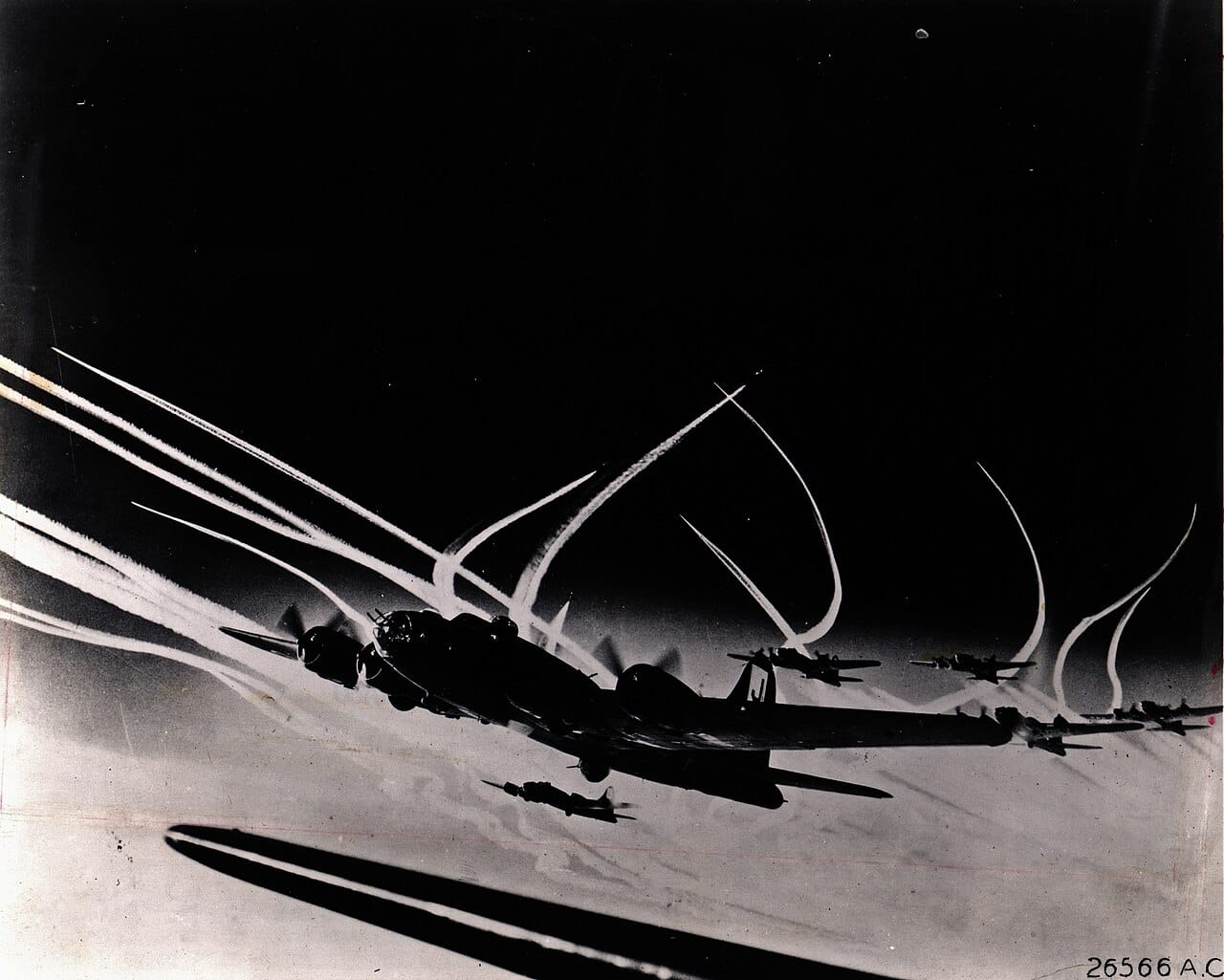
At 27,000 feet over Germany, the air was minus 60 degrees and Charlie Brown’s bomber was dying. Half its engines were gone or failing. The nose was blown open to the wind. The tail gunner was dead, other crewmen were bleeding on the freezing deck, and the young pilot — 21 years old, flying his first combat mission — had just come round from a blackout to find his Flying Fortress in a slow, sickening spiral. Then, off the wingtip, a German fighter slid into view.
Its pilot was Franz Stigler, one of the Luftwaffe’s best, a man who needed just one more kill for a medal. He had every advantage and every right to take it. Instead, on 20 December 1943, he did something that would take almost half a century to fully explain — and would end in one of the most unlikely friendships of the Second World War.
Informations clés
- Date: 20 December 1943, in the skies over northern Germany
- American aircraft: B-17F “Ye Olde Pub”, 527th BS, 379th Bomb Group (serial 42-3167)
- Pilote: 2nd Lt. Charles “Charlie” Brown, aged 21, on his first combat mission
- German pilot: Franz Stigler — a Bf 109 G-6 ace of JG 27 with 27 victories, aged 28
- What happened: Stigler escorted the crippled bomber past the German coast instead of shooting it down
- L'équipage : 10 aboard; one killed (tail gunner Hugh Eckenrode), several badly wounded
- The reunion: the two men found each other in 1990 and stayed close friends until both died in 2008
- Retold in: Adam Makos’s book A Higher Call (2012) and Sabaton’s song “No Bullets Fly” (2014)
Ye Olde Pub, Shot to Pieces
The target that morning was a Focke-Wulf factory at Bremen, ringed by more than 250 flak guns. Brown’s B-17F, nicknamed Ye Olde Pub, took its first hits before it had even finished the bomb run: flak shattered the Plexiglas nose and knocked out one engine, leaving the bomber slow and lagging behind the protective box of the formation. A straggler, alone, was exactly what German fighter pilots prayed for.
For more than ten minutes, upward of a dozen Bf 109s and Fw 190s took turns tearing into the wounded Fortress. By the time they broke off, a second engine was crippled, half the rudder and an elevator were gone, the oxygen and hydraulics were shot through, and most of the guns had frozen solid. Of the ten men aboard, the tail gunner had been killed outright and several others were seriously wounded. Brown himself was hit in the shoulder. That the aircraft was still flying at all was a small miracle.
The Ace Who Came to Finish the Job
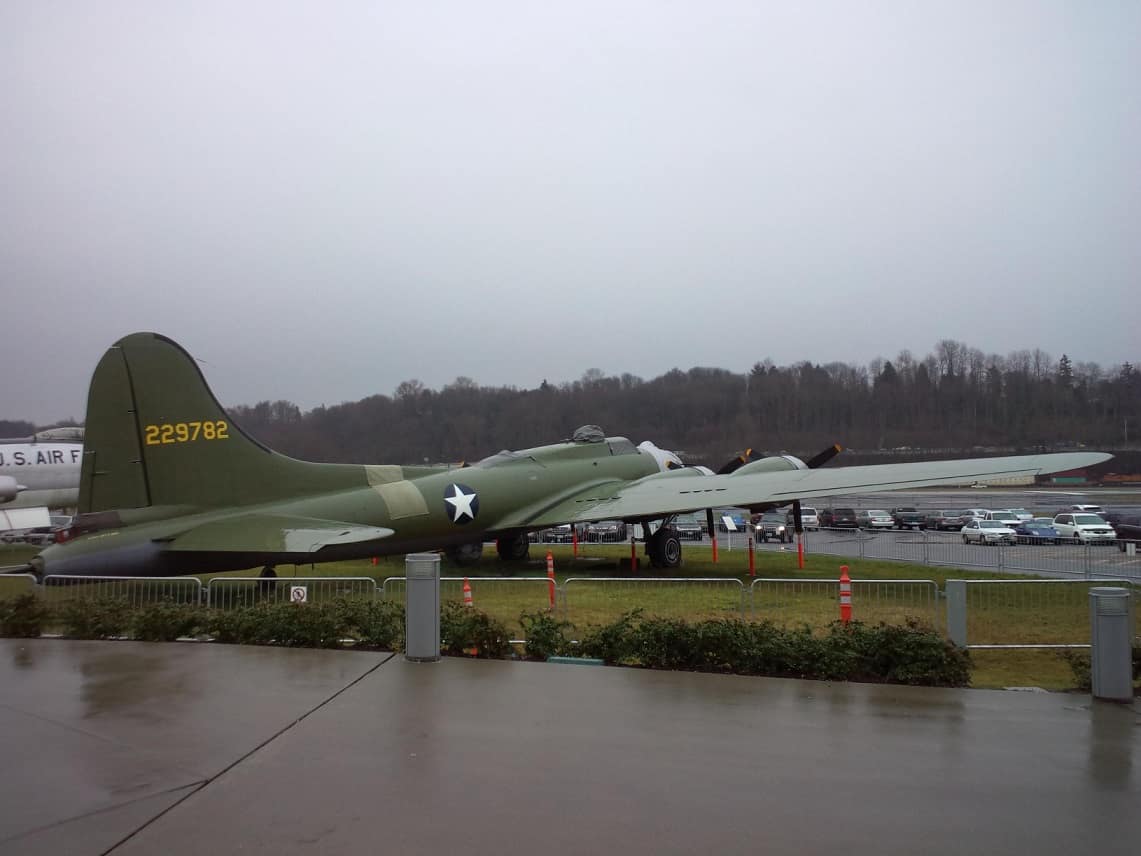
Franz Stigler was on the ground refuelling and rearming when the shattered bomber droned low over his airfield. He scrambled after it in his Bf 109 — a fighter that still had an American .50-calibre round lodged in its radiator — and caught the Fortress within minutes. Sliding in close, he could see straight through the holes in the fuselage: the wounded men, the blood, a gunner slumped over his weapon, the crew too busy keeping each other alive to even man their guns.
In that moment Stigler remembered something a commanding officer had told him in North Africa, a line about the difference between fighting and murder. He would later say it settled the matter for him instantly.
To Stigler, a defenceless bomber full of wounded men was no different from a pilot hanging in a parachute. He could not do it.
The Salute
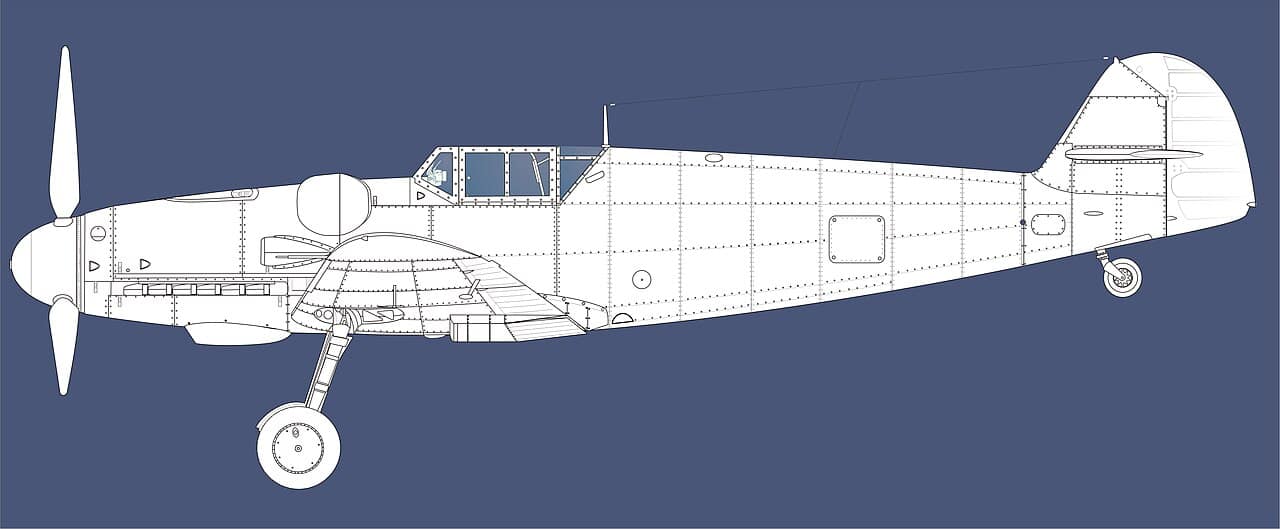
What Stigler did next was even stranger. He tried to wave Brown toward Sweden, only 30 minutes away, where the crew could land, get treatment and sit out the war safely interned. Brown and his men, unable to understand the German’s gestures and certain this was some trick, flew grimly on. So Stigler simply tucked his fighter in tight on the bomber’s wing and escorted it, mile after mile, so that German flak batteries below would hold their fire rather than risk hitting one of their own.
Only when they crossed the coast and the cold grey North Sea opened ahead did he peel away. Brown, still braced for betrayal, had ordered a gunner to track the fighter the whole time. Stigler looked across at the man he had chosen not to kill, threw him a salute, and was gone. Brown nursed the broken bomber 250 miles across the water and put it down in England, and at debriefing told his officers a story nobody quite believed: that a German fighter pilot had let them live.
Forty-Seven Years to Say Thank You
Brown was ordered to keep quiet — the top brass did not want airmen thinking of the enemy as merciful — and for decades he did. But he never forgot. In 1990, haunted by the memory, he began writing to veterans’ associations trying to find the one man who could confirm what had happened. Months later a letter arrived from Canada. “I was the one,” it read. It was Franz Stigler, who had emigrated after the war and had spent his own decades wondering whether that bomber ever made it home.
The two men met, and the enemies became inseparable friends — fishing together, travelling to reunions, calling each other brother. They died within months of each other in 2008, Stigler in March, Brown in November. The story was told in full in Adam Makos’s bestselling book A Higher Call, and set to music by the metal band Sabaton. But it is best heard from the two old pilots themselves.
In a war that killed tens of millions and hardened almost everyone it touched, one pilot looked through the holes in a broken aeroplane, saw human beings instead of a target, and chose mercy. It cost him a medal and could have cost him his life. It gave a wounded crew fifty more years — and gave two old men a friendship that outlasted the hatred that first put them in the same patch of sky.
Sources: Adam Makos & Larry Alexander, A Higher Call (2012); CNN; Air & Space Forces Magazine; Chivalry Today; Wikipedia.
0 commentaire