
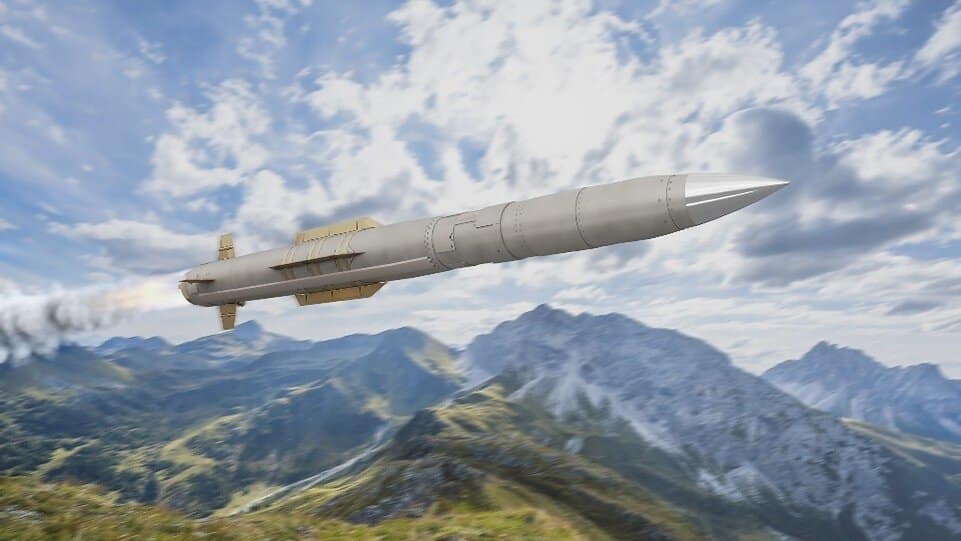
Modern air defense has a money problem, and everybody knows it. A single Patriot shot can cost more than the drone it swats down, and in a war where the incoming threats are cheap and endless, the math eventually breaks the defender, not the attacker. At Farnborough on 20 July, Lockheed Martin rolled out its answer: a Patriot interceptor that costs less than half as much.
It is called the PAC-3 ACE — Adapted Capability Effector — and the pitch is refreshingly blunt. Same Patriot system, same brains, far cheaper round. Instead of chasing a fancier missile, Lockheed built a leaner one and aimed it squarely at the one thing every air-defense general is short of: magazine depth.
| Product | PAC-3 ACE (Adapted Capability Effector) |
| Fabricant | Lockheed Martin Missiles and Fire Control |
| Dévoilé | Salon aéronautique de Farnborough, 20 juillet 2026 |
| Coût | Less than half a PAC-3 MSE (reported ~$2M vs ~$4M) |
| Targets | Airbreathing threats, cruise missiles, short- and close-range ballistic missiles |
| Backbone | PAC-3 fire control, Patriot weapon system, IBCS |
Why cheaper is the whole point
The PAC-3 MSE, the interceptor doing the heavy lifting in Ukraine and the Middle East right now, is a superb missile. It is also expensive enough that firing it at a $50,000 attack drone feels like swatting a fly with a Rolex. The ACE keeps the performance Lockheed is known for and slashes the cost-per-kill, which is the metric that actually matters when the sky fills up with cheap, one-way threats.
Reported figures put the ACE at roughly $2 million a round against something near $4 million for an MSE. Lockheed itself will only say “less than half.” Either way, the message is the same: buy more, shoot more, and stop losing the arithmetic to swarms.
Built to field fast, not to dazzle
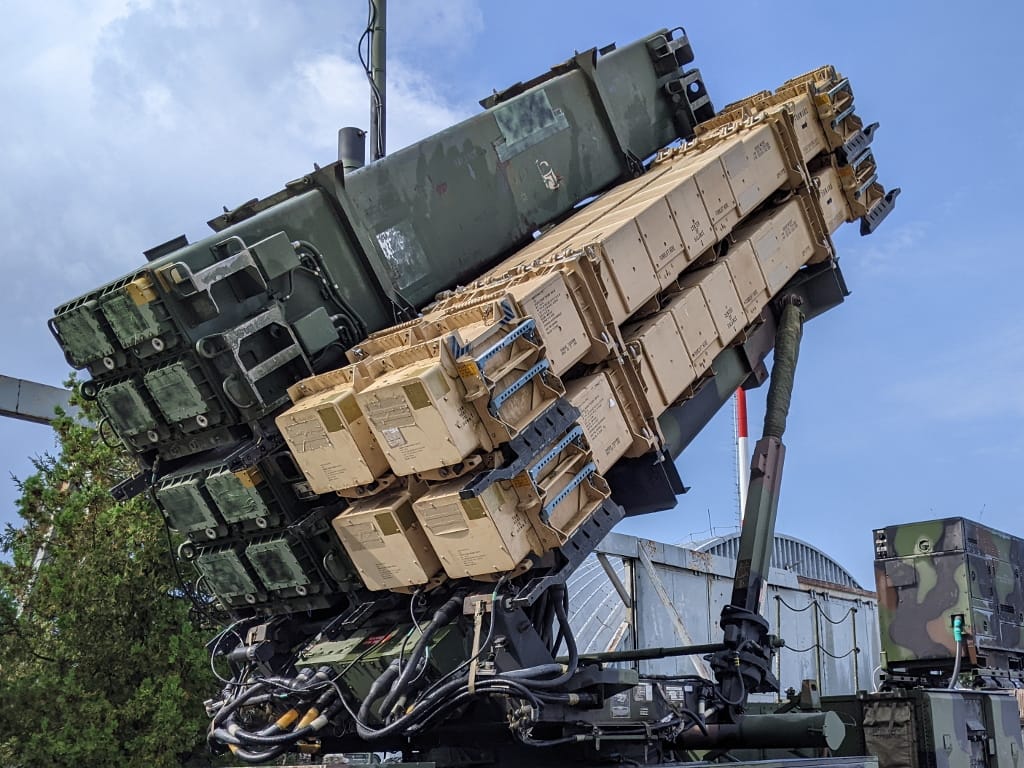
The clever part is what the ACE does not reinvent. It rides on the proven PAC-3 fire-control system, plugs straight into the Patriot launcher, and talks to Northrop Grumman’s Integrated Battle Command System (IBCS). Reusing battle-tested software and integration is how Lockheed says it can compress development and get to production in a hurry rather than a decade.
It is designed to handle a spread of threats from a single platform: airbreathing targets, cruise missiles, and close- and short-range ballistic missiles. That versatility is deliberate. An air-defense battery that has to keep separate expensive rounds for every threat type is a battery that runs dry.
An allied play, not just an American one
Lockheed is framing the ACE as a transatlantic project, promising joint development and production with American and European partners and suppliers. That is partly industrial politics — spreading the work strengthens the supply base and makes European buyers feel like co-owners rather than customers — and partly a hedge against the one weakness cheap-missile warfare exposes: you cannot build interceptors fast enough if only one factory makes them.
The video below breaks down how the PAC-3 MSE family actually works, which is the same backbone the ACE inherits.
None of this fixes the cost problem overnight. But for the first time in a while, the defender’s side of the ledger is moving in the right direction — and at Farnborough, that was the announcement everyone in the air-defense business actually wanted to hear.
Sources: Lockheed Martin press release (20 July 2026); Defense News; Janes; Breaking Defense; Army Times.

0 commentaire