
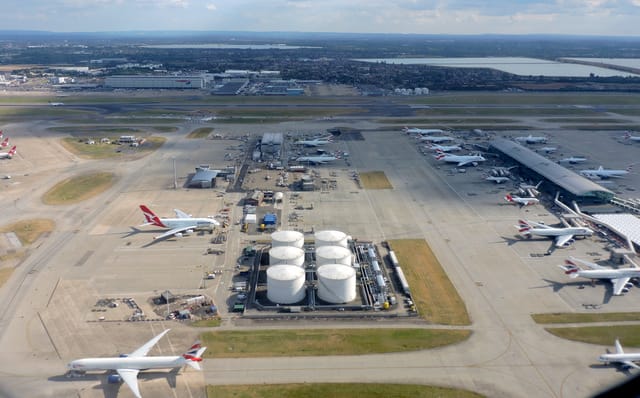
Heathrow has not laid a single metre of new runway. It has not even secured permission to build one. And yet, as of a regulator’s ruling on July 29, 2026, passengers are now on the hook for the bill.
The UK Civil Aviation Authority has cleared Heathrow Airport Limited to claw back £320 million it has already spent developing its third-runway plans — money it will recover through higher charges on the airlines, which almost always end up in the ticket price.
Informations clés
- Decision: UK Civil Aviation Authority final ruling, July 29, 2026
- What it allows: Heathrow to recover £320m of early third-runway costs via airline charges
- Passenger impact: about +15p per passenger from 2028, rising to ~30p
- Recovery period: roughly 20–25 years
- Rival scheme: Arora Group’s Heathrow West allowed to recoup £4.1m
- Government target: third runway built by 2035
Paying before the first shovel
The sum covers planning and design work done since the start of 2025: the reams of material needed to build a credible case for a Development Consent Order, the legal instrument that green-lights major UK infrastructure. It is the paperwork that comes before the concrete — and it is not cheap. By some estimates the pre-construction planning bill alone could climb toward £1 billion.
For travellers, the immediate hit is small: the CAA says the ruling adds roughly 15 pence to the maximum per-passenger charge from 2028, rising to an estimated 30 pence after that, spread over 20 to 25 years. The principle, though, is what stings — you are paying for a runway that may not open until 2035, if at all.
The regulator’s balancing act
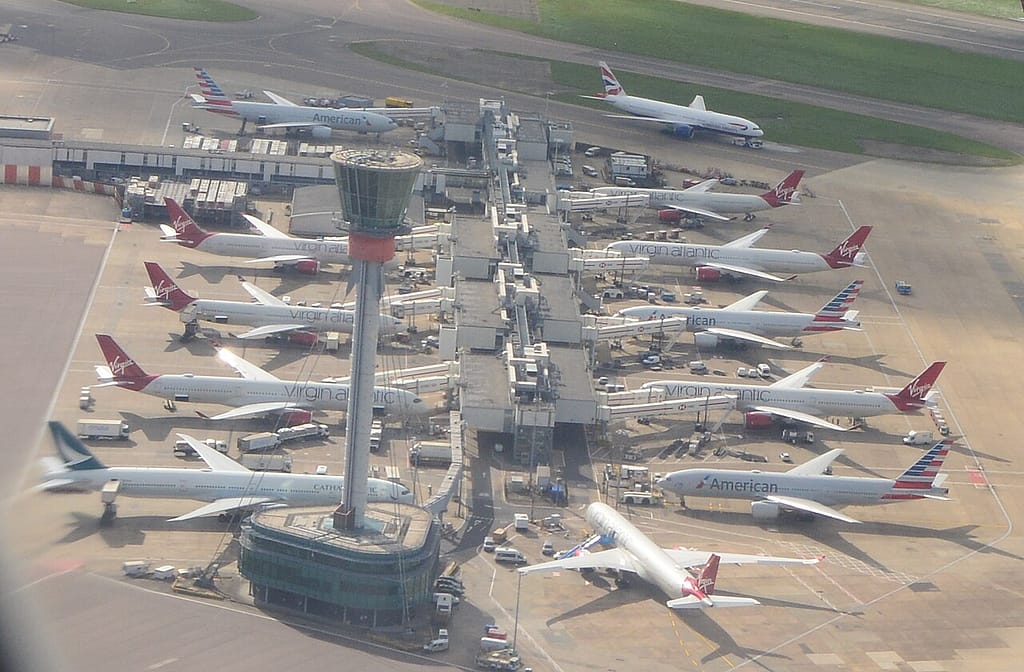
The CAA also let Heathrow West — the rival shorter-runway scheme backed by property billionaire Surinder Arora — recover £4.1 million of its own costs. That gap, £320 million against £4 million, is exactly what set the airlines off.
The airlines are not happy
Carriers have complained for years that Heathrow already levies the highest charges of any airport on earth. British Airways, the airport’s biggest operator, warned regulators that front-loading these costs risks making the whole expansion “unaffordable for consumers and inconsistent with a credible benefits case.” Their argument is simple: why should passengers bankroll a project that has not been approved, and whose economics remain unproven?
The government, for its part, wants the third runway built by 2035, and a separate process will decide who pays for the costs racked up from 2027 onward. In other words: this £320 million is only the opening invoice.
Britain has argued about a third Heathrow runway for the better part of two decades. The ruling does not guarantee it gets built — but it does guarantee that passengers start paying for it long before they can taxi on it.
Sources: ITV News; FlightGlobal; The National; Travel Weekly; UK Civil Aviation Authority.

0 commentaire