Monde de l'aviation, Histoire et légendes
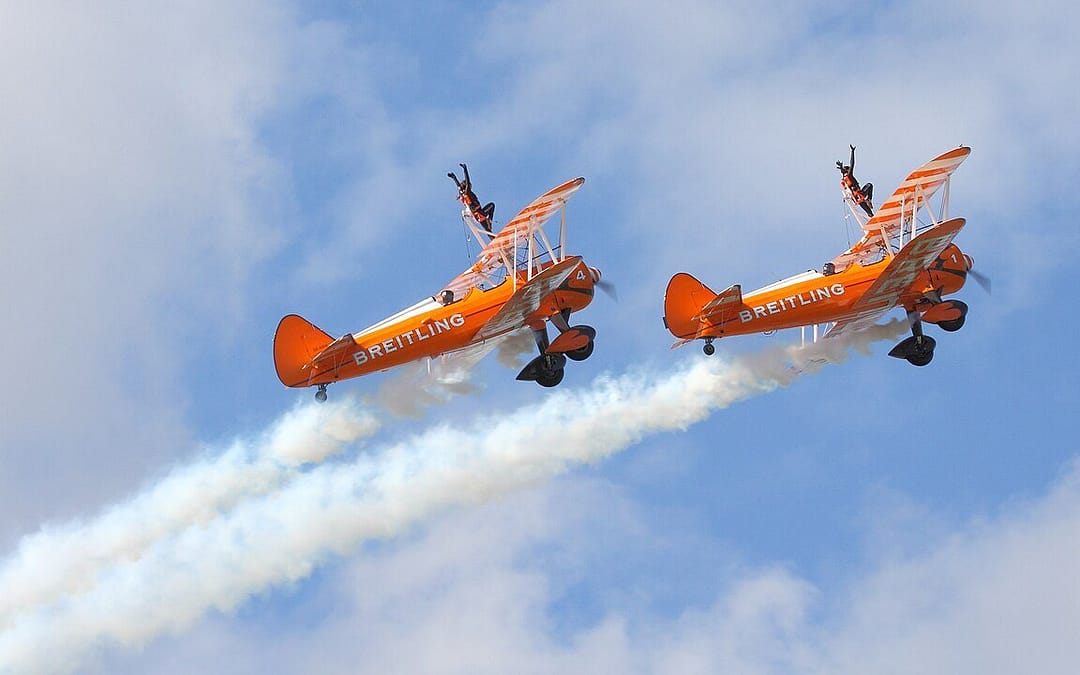
From the moment humans first left the ground, a certain kind of pilot has asked a dangerous question: what happens if I try this? The answers fill the wildest chapter of aviation history — a century of loops, rolls, dives and impossible threading of gaps, flown by men...

Histoire et légendes, Aviation militaire
Quelque part au-dessus du centre de la France, à la fin des années 1950, le pilote d'essai André Turcat pousse un étrange avion à aile delta au-delà de la vitesse à laquelle un réacteur classique commence à s'essouffler. C'est alors que le Nord Griffon prend vie. Derrière lui, un statoréacteur de la taille d'un petit….
Monde de l'aviation, Histoire et légendes
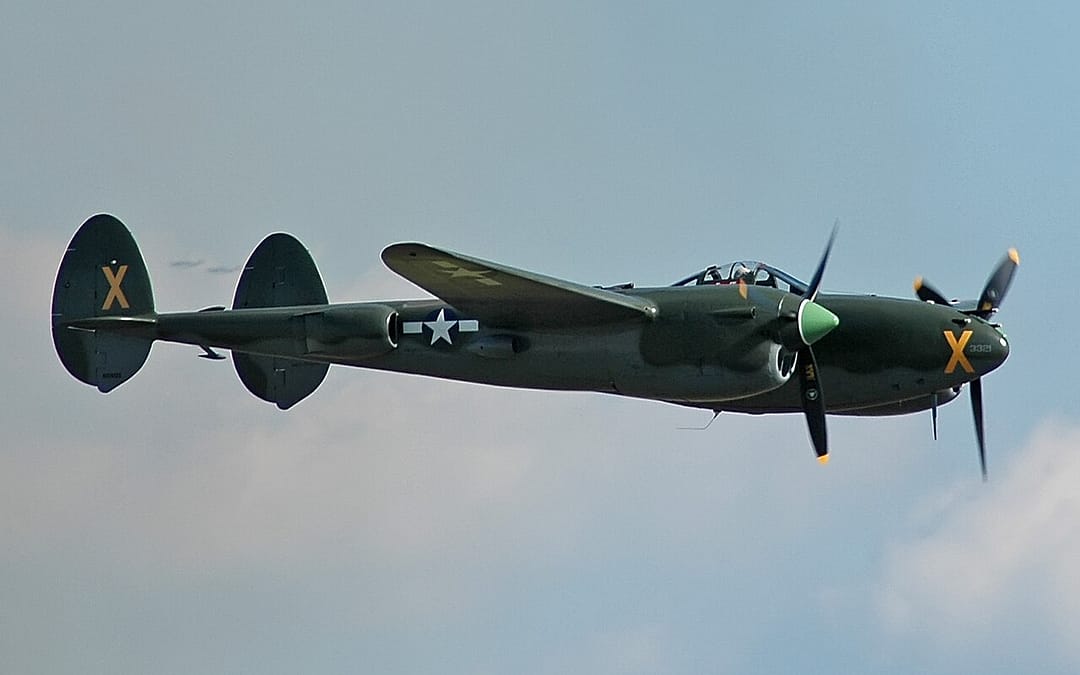
There is a sound a Lockheed P-38 Lightning makes that no other warbird can — two Allison V-12s, turbo-supercharged, humming in eerie harmony as the twin-boom fighter slides overhead. For most enthusiasts, hearing it once in a lifetime is a gift. This July at Oshkosh,...
Monde de l'aviation, Histoire et légendes, Aviation militaire
Tomorrow, as America’s 250th birthday flyovers thunder across the country, watch for the moment the crowd goes quiet. Four jets approach in perfect formation — and then one pulls up, streaming away from the others, climbing alone toward the vertical until...
Monde de l'aviation, Histoire et légendes
On April Fools’ Day 2001, seventy miles off China’s Hainan Island, a Chinese fighter pilot misjudged his third close pass at an American spy plane by a few feet — and nearly started a war. The collision sheared his J-8 interceptor in half, tore the...
Histoire et légendes, Aviation militaire
On 7 August 1942, over an island the Americans had invaded that very morning, a .30-calibre bullet passed through Saburō Sakai’s skull. It blinded his right eye and paralysed his left side. He was 560 nautical miles from home, alone, at war, in a fighter with no...
Histoire et légendes, Aviation militaire
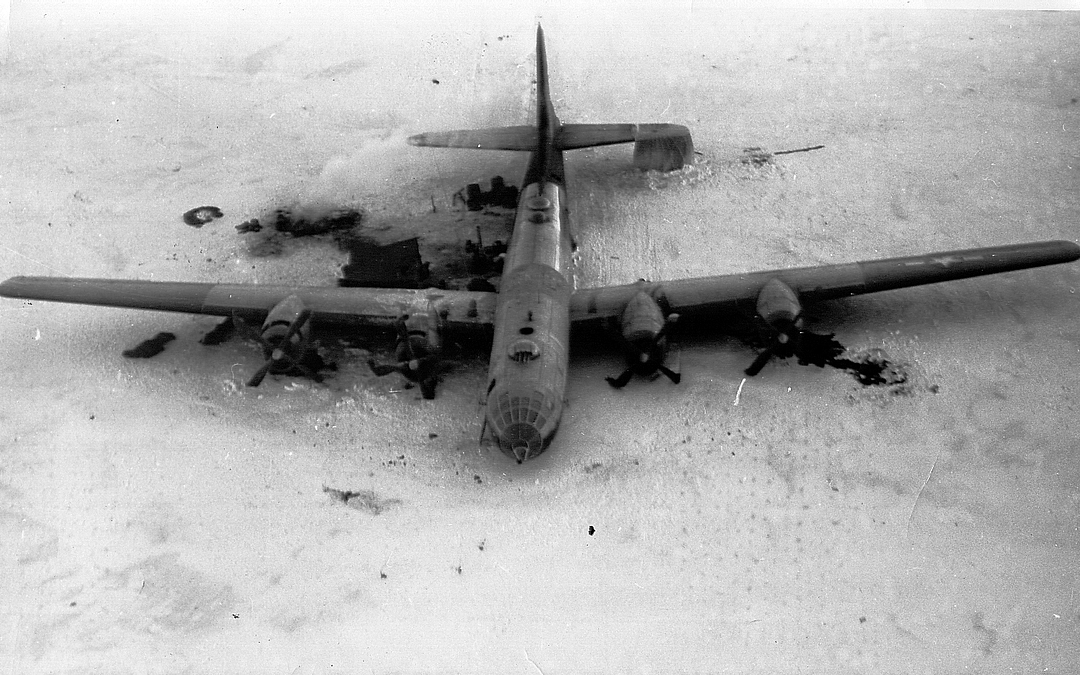
On 21 May 1995, on a frozen lake 280 miles north of Thule, Greenland, a B-29 Superfortress that had not moved in forty-eight years swung onto its makeshift ice runway under its own power. Four rebuilt engines ran sweetly. Half a century of Arctic exile was about to...
Histoire et légendes, Aviation militaire
Just after eight on the morning of 29 April 1975, American Radio Service in Saigon interrupted its programming to announce that the temperature was “105 degrees and rising.” Then it played White Christmas. In a city where it never snows, in the last April...
Histoire et légendes, Aviation militaire
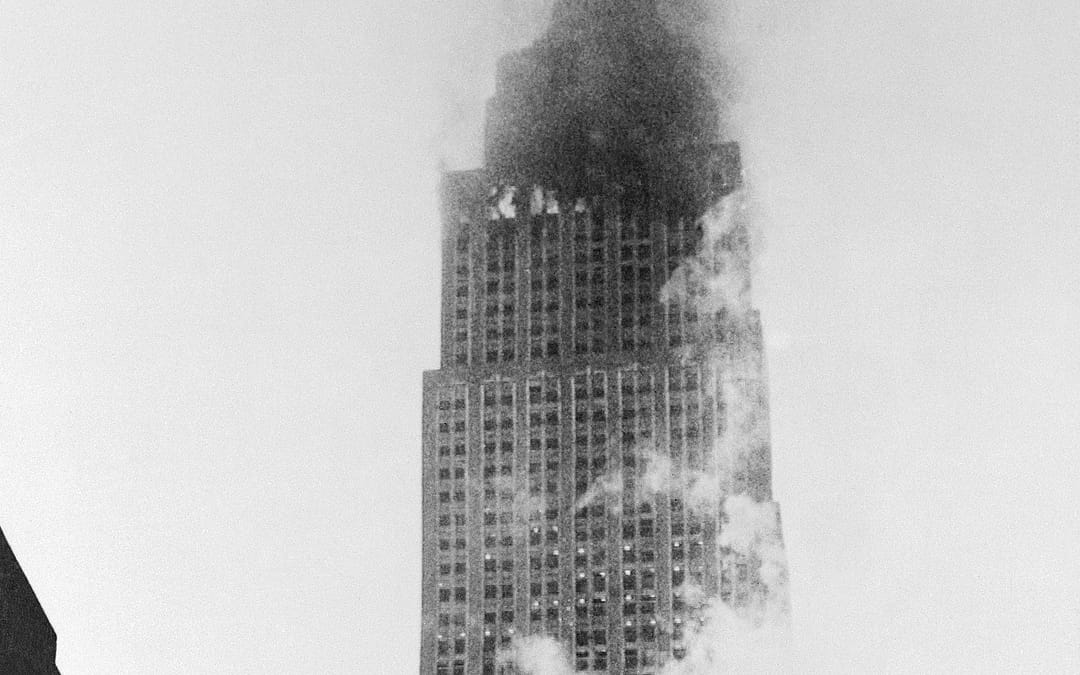
Saturday morning, 28 July 1945. New York is wrapped in fog so thick that the top third of the Empire State Building has simply vanished. At 9:40 a.m., office workers on the 79th floor hear a sound no office worker should ever hear: aircraft engines, close, and getting...
Histoire et légendes, Aviation militaire
On the morning of 16 August 1966, an Iraqi Air Force captain named Munir Redfa strapped into his MiG-21F-13 for what his squadron believed was a routine long-range training sortie. He had full fuel tanks — a privilege he had rarely been granted — and a...
Histoire et légendes, Aviation militaire
For three decades during the Cold War, Britain’s nuclear deterrent rested on the wings of three extraordinary aircraft: the Vickers Valiant, the Avro Vulcan, and the Handley Page Victor. Known collectively as the V-bombers, they were designed to carry atomic and...
Histoire et légendes, Aviation militaire
The Handley Page Victor was the last and most advanced of Britain’s three V-bombers — and the one with the longest career. Designed to carry nuclear weapons to Moscow at high altitude, it outlived its original mission by decades, reinventing itself as the Royal...







Commentaires récents