
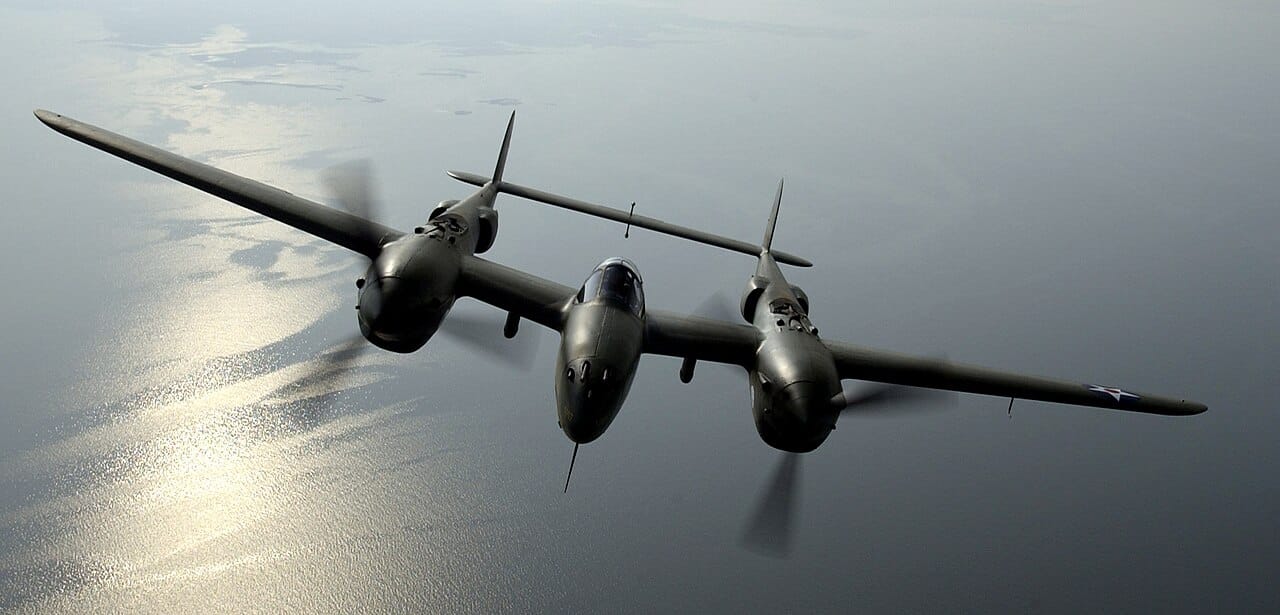
In July 1942, eight American warplanes vanished into the Greenland ice. Fifty years later, a team of dreamers with a hot-water drill brought one of them back up — and in 2002, it flew again. This is the story of the P-38 Lightning called Glacier Girl.
It is one of the most improbable resurrections in aviation history: a fighter entombed under twenty-five storeys of ice, recovered almost whole, and returned to the sky six decades after it was written off.
Quick Facts
- Aircraft: Lockheed P-38F Lightning “Glacier Girl” (serial 41-7630)
- Lost: Force-landed on the Greenland ice cap, July 15, 1942 — part of the “Lost Squadron”
- Buried: Under about 268 feet of ice, drifted more than a mile
- Recovered: Summer 1992, after 50 years, by the Greenland Expedition Society
- First flight after restoration: October 26, 2002
- Crew fate in 1942: All 25 airmen from the squadron were rescued
The Lost Squadron
In the summer of 1942, the US was ferrying aircraft to Britain across the North Atlantic under Operation Bolero, hopping via Greenland and Iceland. On July 15, a flight of six P-38 Lightnings and two B-17 Flying Fortresses — 25 airmen in all — ran into vicious weather and dwindling fuel. Unable to reach their destination, they turned back and bellied down, one after another, onto the Greenland ice cap.
Every man survived. They were rescued off the ice after more than a week in the cold, and the aircraft were left where they lay, written off as unrecoverable. Then the snow began to fall on them, year after year.
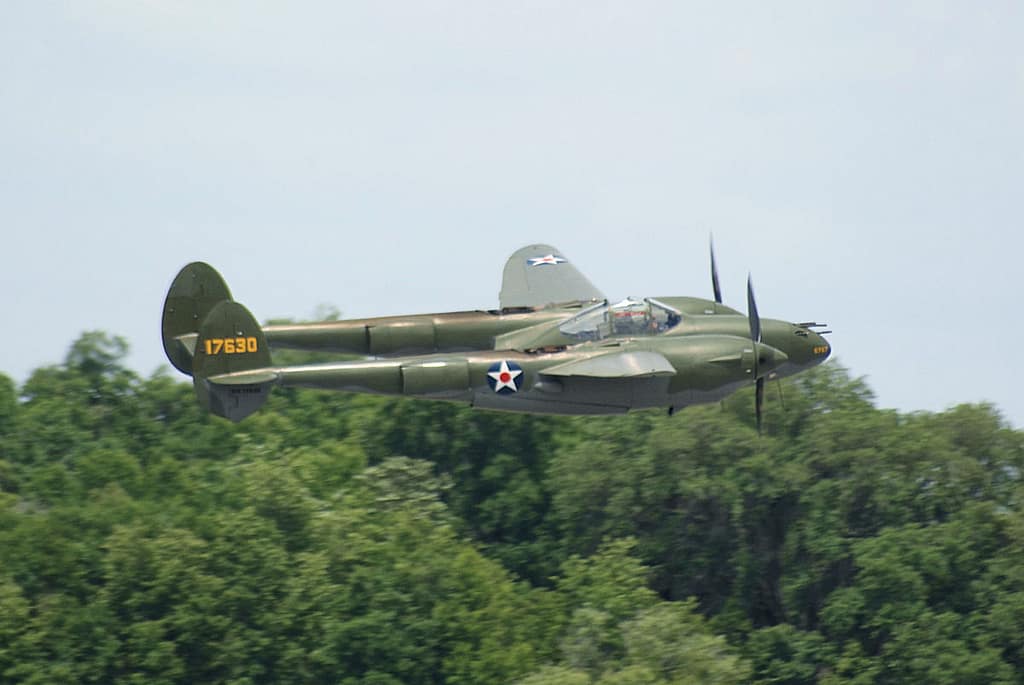
Twenty-five storeys down
By the time anyone came looking, the eight aircraft had been buried under roughly 268 feet of accumulated ice and had drifted more than a mile from where they landed. From the 1980s, the Greenland Expedition Society — led by pilot Pat Epps and architect Richard Taylor — mounted expedition after expedition to find them. Early hopes were almost comically optimistic.
Ground-penetrating radar eventually pinpointed the aircraft, deep beneath the surface. To reach them, the team built a thermal device nicknamed the “Super Gopher” — essentially a hot-water drill that melted a four-foot shaft straight down through the ice, then melted a cavern around the chosen P-38.
Bringing her up
Working in a dripping ice cave far below the surface, the team — financed by Kentucky businessman Roy Shoffner and led by Bob Cardin — carefully disassembled the aircraft and hauled it to the surface piece by piece. On August 1, 1992, the last major section, a three-ton chunk of the centre structure, came up into the daylight. After fifty years, the P-38 was out.
The restoration that followed, at Middlesboro, Kentucky, took roughly a decade. Astonishingly, much of the original airframe was reused — the ice had crushed and bent the aircraft but also preserved it. Cardin was not shy about what they were building.
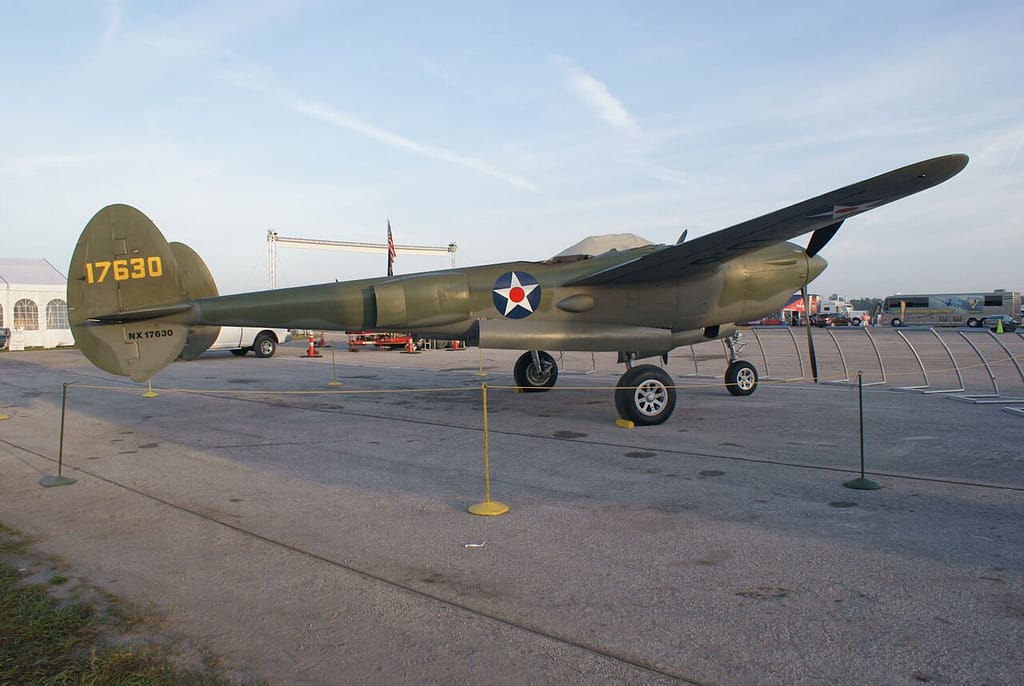
Flying again
On October 26, 2002 — just over sixty years after she went down — Glacier Girl started her engines and flew. She has been thrilling airshow crowds ever since, a Lightning that spent half a century as a fossil and came back to life.
Her squadron-mates are still down there. Recovery teams continue to work on bringing up a second Lost Squadron P-38, nicknamed “Echo,” from beneath the same ice. But Glacier Girl remains the one that beat the glacier — proof that with enough stubbornness, even the ice gives things back.
Sources: Wikipedia; P-38 National Association; Smithsonian Air & Space; Vintage Aviation News; Live Science.
0 Comments