
Inside a jet engine
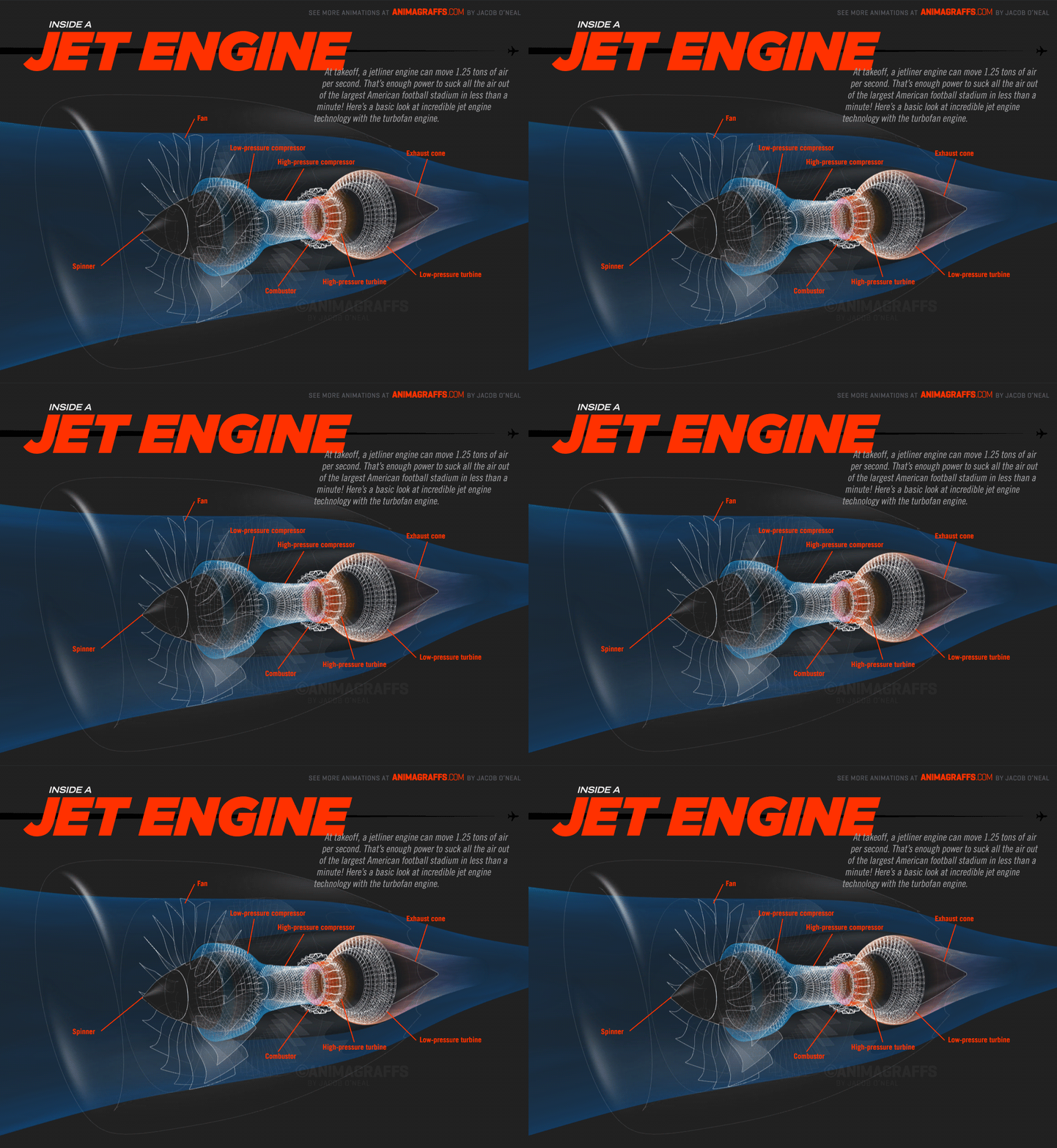
Inside the core of a jet engine

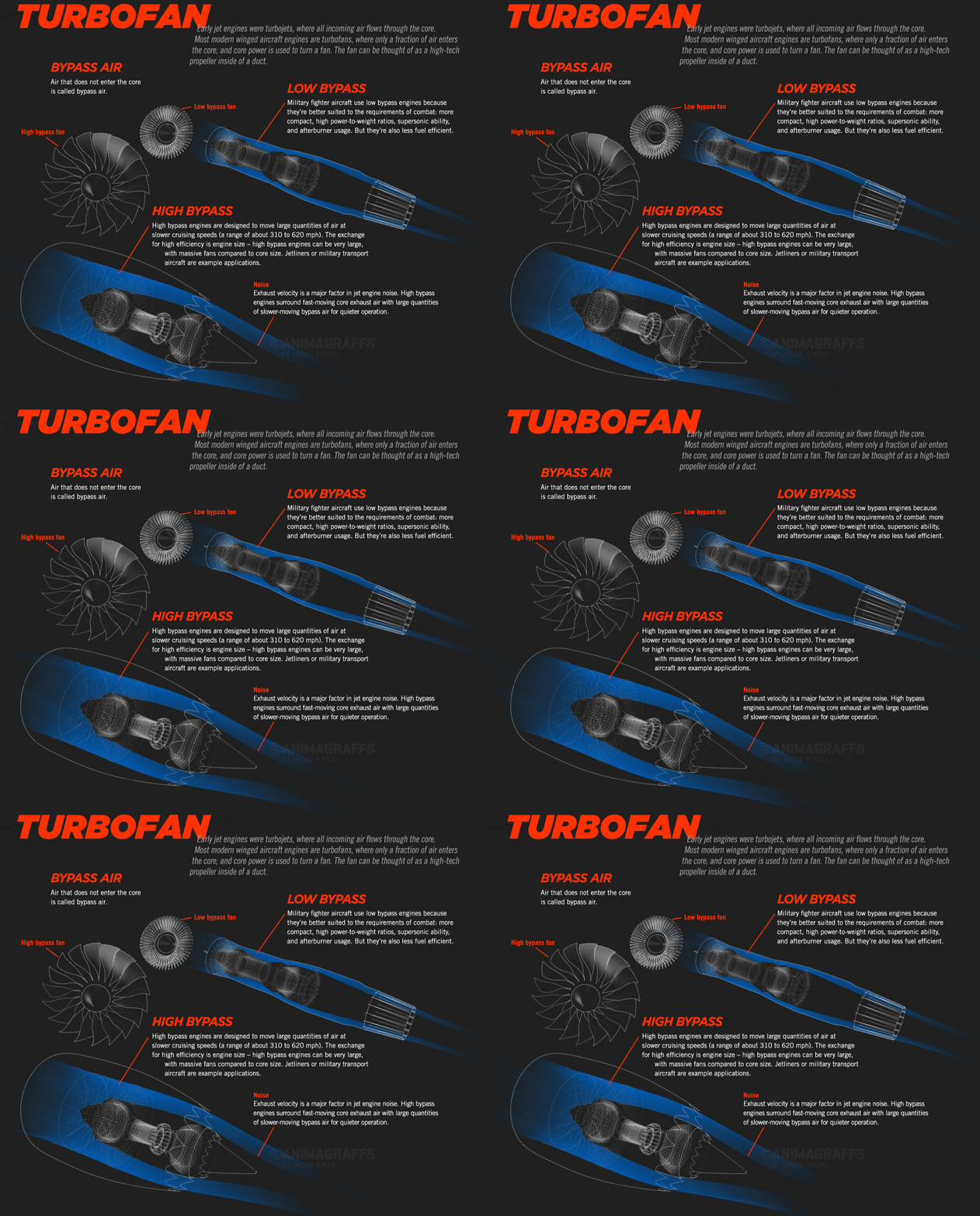
Inside a turbofan
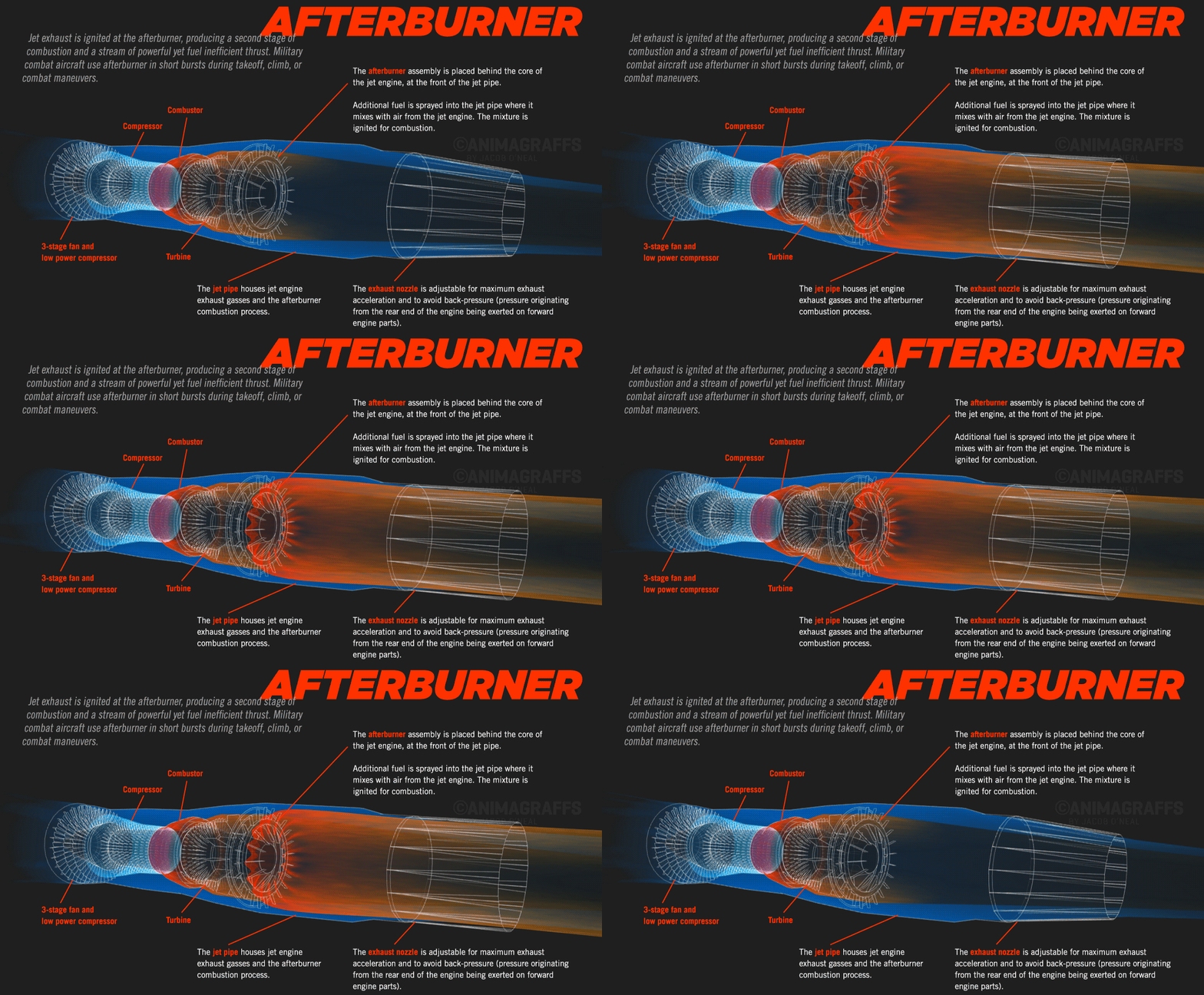
Inside the afterburner
 And that is how the powerhouse of an aircraft works, Simply fantastic. If it weren't for these big steps in technology, today's airplanes wouldn't exist!
© http://animagraffs.com - Thanks for the friendly authorization Jake O'Neal
Additional Reads -
And that is how the powerhouse of an aircraft works, Simply fantastic. If it weren't for these big steps in technology, today's airplanes wouldn't exist!
© http://animagraffs.com - Thanks for the friendly authorization Jake O'Neal
Additional Reads -
- Selfies in Aviation - The Art of mid Air Selfies
- The SR-71 Blackbird is the fastest plane in the world
- The fastest plane in the world - How the Blackbird was built
- A new US presidential aircraft? Air Force One Fleet change
- Like Aviation Videos? Have a look at this Youtube Channel then!
Related Questions
How does a jet engine work?
A jet engine creates forward thrust by drawing in a large amount of air, compressing it, mixing it with fuel and igniting it, then discharging the result as a high-speed jet of gas out the back. The reaction to that rearward jet pushes the aircraft forward.
What is a turbofan engine?
A turbofan is the most common type of jet engine on modern aircraft. A large front fan pushes much of the air around the engine core rather than through it, which makes the engine quieter and more fuel-efficient, especially at the speeds airliners cruise at.
What does an afterburner do?
An afterburner injects extra fuel into the hot exhaust stream behind the turbine, where it ignites and produces a large surge of additional thrust. It dramatically boosts power for take-off or supersonic flight, at the cost of very high fuel consumption.
Why are jet engines better than propellers?
Jet engines let aircraft fly faster and farther than propeller-driven planes. Their development over the past several decades made fast, long-range and economical air travel practical, opening the world to both business and leisure travellers.
What are the main parts of a jet engine?
The core of a jet engine contains a compressor, a combustion chamber and a turbine, often wrapped by a fan in a turbofan and sometimes followed by an afterburner. Keeping such engines running can be hugely expensive, as in the case of the decades-old GE J85 engine.


0 Comments