
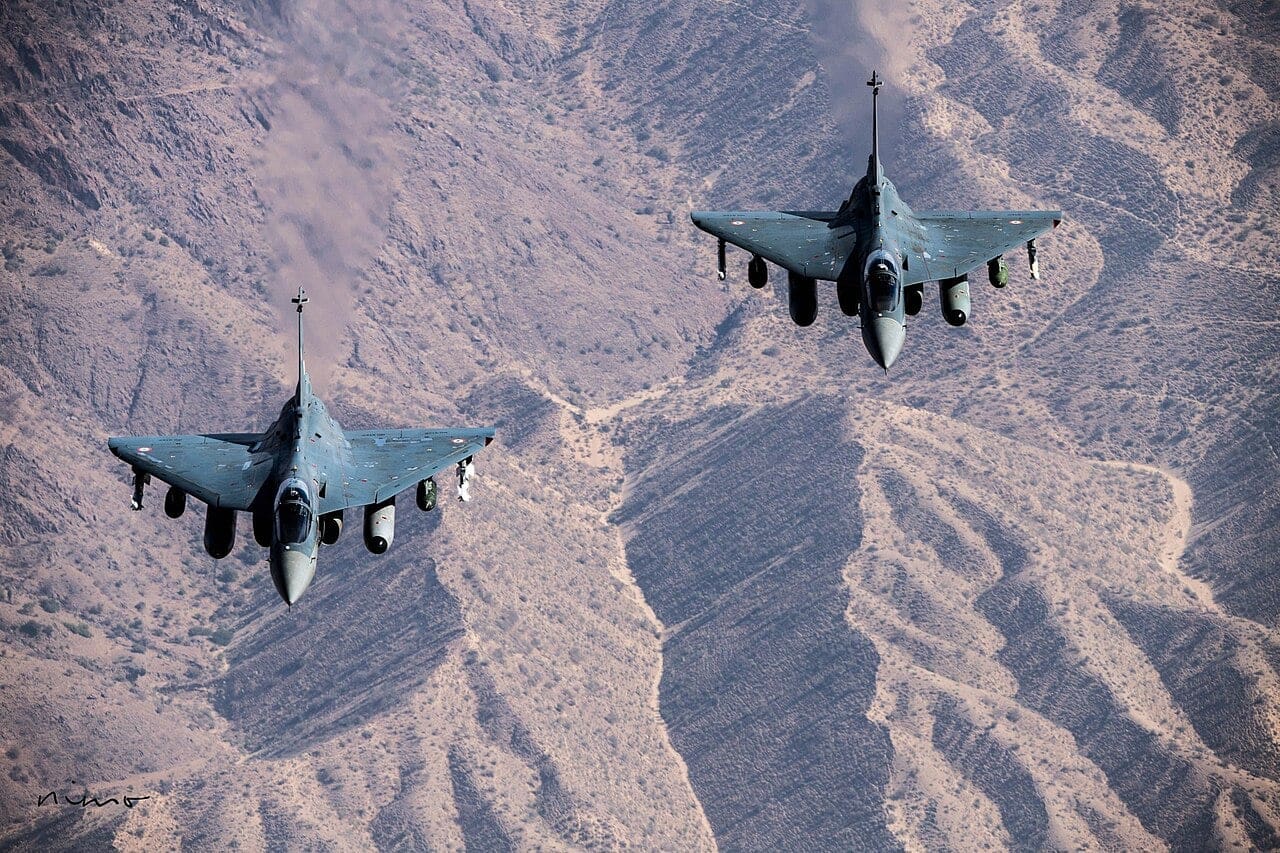
India’s most ambitious home-built fighter has drawn sharp criticism from an unlikely quarter: one of the officers who helped run the air force until weeks ago. Air Marshal Nagesh Kapoor, who stepped down as the Indian Air Force’s Vice Chief less than two months ago, has publicly questioned whether the Tejas Mk-2 will still be worth inducting by the time it arrives in numbers in the mid-2030s.
Asked whether it makes sense for India to bring a fighter of this class into service around 2035, his answer was blunt.
Quick Facts
| Who | Air Marshal Nagesh Kapoor, ex-IAF Vice Chief |
| Aircraft | HAL Tejas Mk-2 — larger, more capable Tejas |
| Mk-2 first flight | Now expected March–July 2027 (HAL, at Farnborough) |
| IAF strength | ~29–31 squadrons, against a sanctioned 42 |
| His prescription | Consider joining an international sixth-generation programme |
| On order | 83 Tejas Mk1A, with another 97 cleared |
A blunt verdict
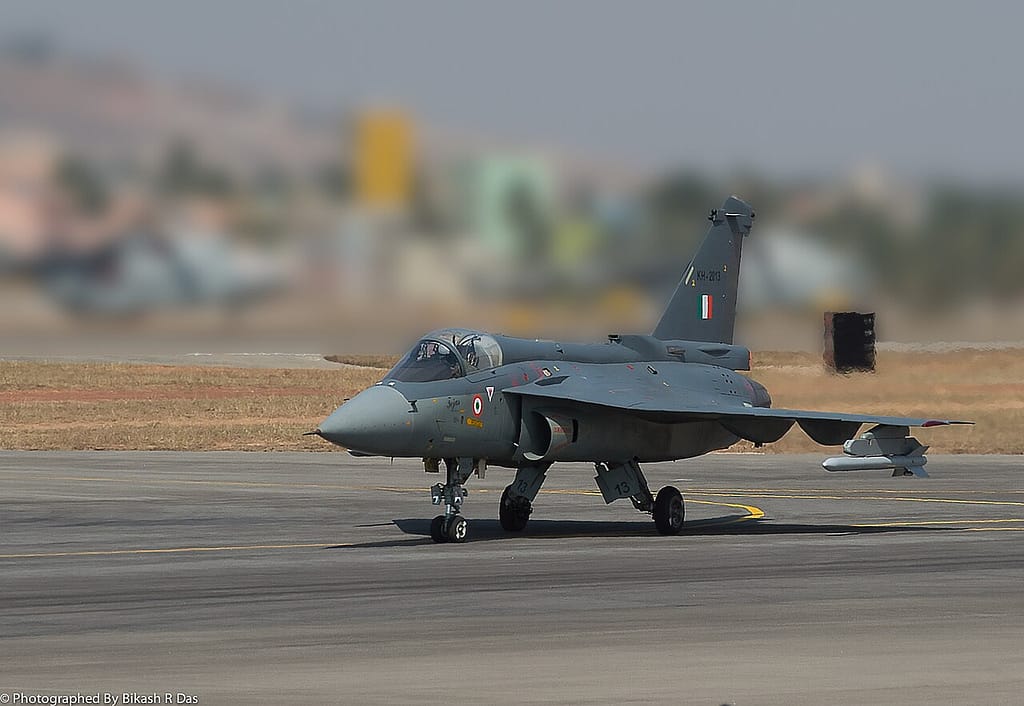
Kapoor’s concern is timing. The Tejas Mk-2 is a 4.5-generation fighter, heavier and far more capable than the Mk1 now entering service, but it has yet to fly. At the Farnborough Air Show in July 2026, Hindustan Aeronautics Limited said the Mk-2’s first flight had slipped to somewhere between March and July 2027. Kapoor argued that HAL’s sense of urgency does not match the air force’s.
The squadron crisis behind it
The criticism lands against a stark backdrop. The Indian Air Force has fallen to roughly 29 to 31 fighter squadrons, well short of the 42 it says it needs to face China and Pakistan at once. The Tejas family is meant to plug that gap, alongside a planned purchase of 114 Rafales, but deliveries have repeatedly slipped on engine supply and production bottlenecks.
Skip a generation?
Kapoor’s alternative is provocative: rather than grinding through successive home-grown generations, India should consider buying into an international sixth-generation fighter programme and leapfrogging ahead. It is an argument that cuts to the heart of India’s decades-long balance between self-reliance and capability — and coming from a just-retired Vice Chief, it is hard to dismiss.
Sources: The Hans India; India.com; Herald Goa; Indian Defence News; HAL statements at Farnborough 2026.
0 Comments