
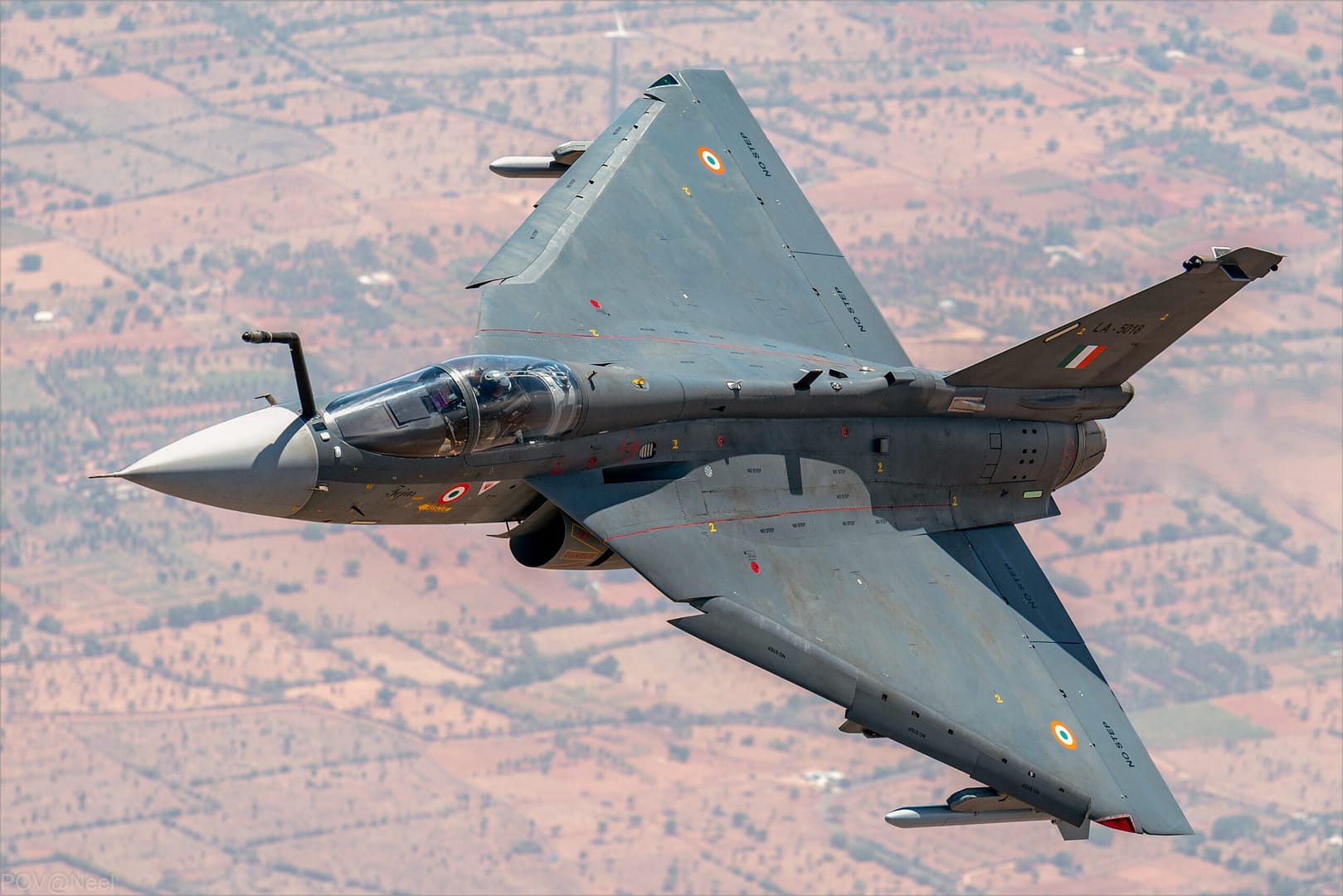
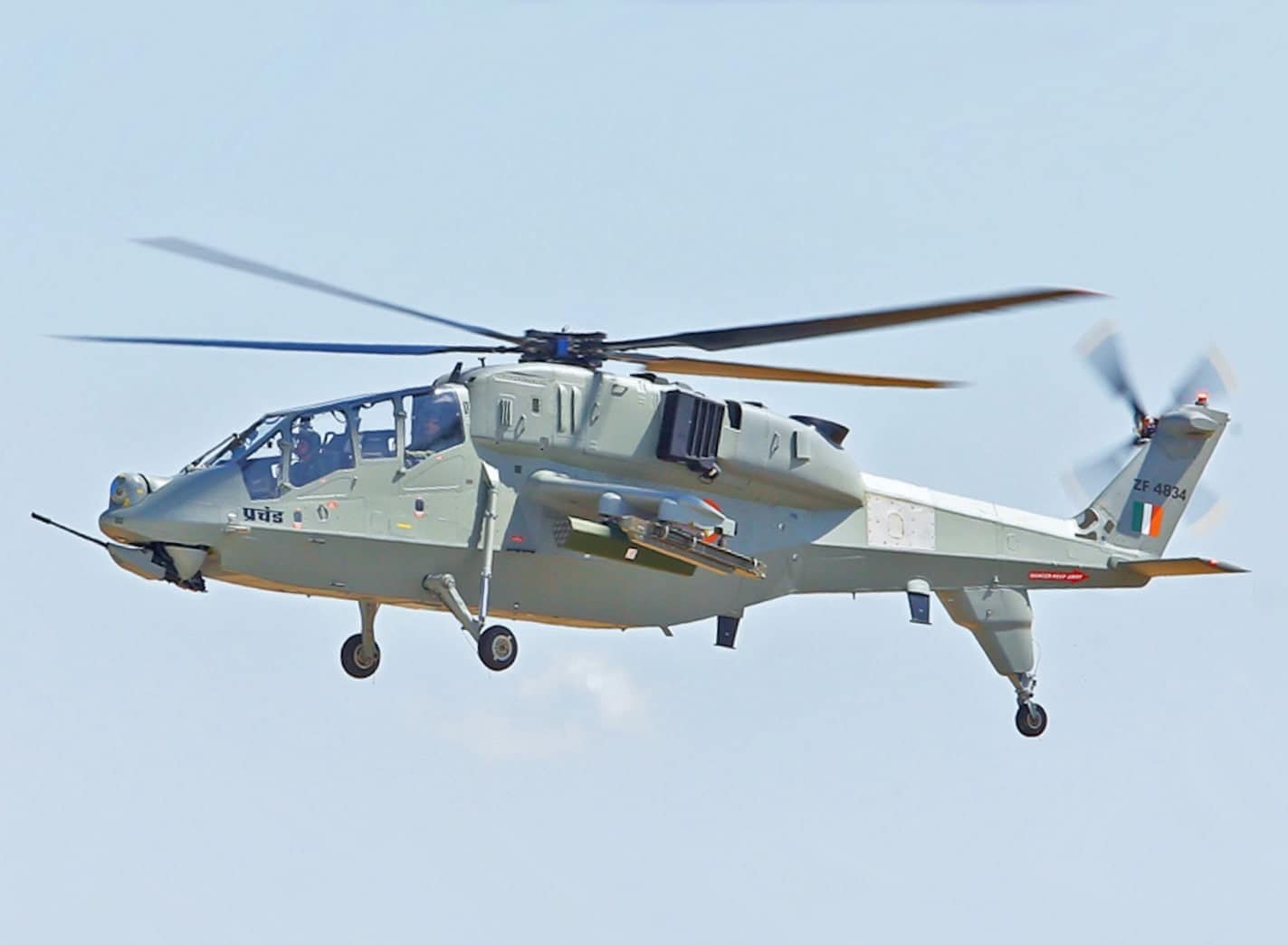
Two of the world’s biggest emerging powers are quietly negotiating one of the most unusual arms deals of the decade — and almost no Western capital is in the room. India and Brazil are working toward a barter: India would hand Brazil its homegrown Tejas Mk1A fighters and Prachand attack helicopters, and Brazil would ship India fleets of its C-390 Millennium transport jet.
No cash changes hands. No American or Russian supplier signs off. Two fellow BRICS members simply swap the aircraft each other needs — a model designed expressly to dodge tariffs, sanctions and the political strings that come with buying from Washington or Moscow.
If it closes, it would be a milestone in “South-South” defence cooperation, and it could reshape how mid-sized air forces arm themselves for the next twenty years.
Quick Facts
| What | A proposed defence barter: Indian Tejas Mk1A & Prachand for Brazilian C-390 Millennium |
| Who | India (HAL) and Brazil (Embraer), with India’s Mahindra as local partner |
| Indian need | C-390 contends for the IAF Medium Transport Aircraft programme |
| C-390 payload | Up to 26 tonnes; air-refuelling capable; short/unpaved-strip operations |
| Status | Negotiations ongoing; official selection expected later in 2026 |
| Why it matters | Cuts both nations’ reliance on Western and Russian suppliers |
The deal on the table
The centrepiece for India is the Embraer C-390 Millennium, a jet-powered tactical airlifter that has become one of the most talked-about transports on the market. It carries up to 26 tonnes, refuels other aircraft, and operates from short, unpaved runways — exactly the profile India needs for Himalayan resupply and island logistics.
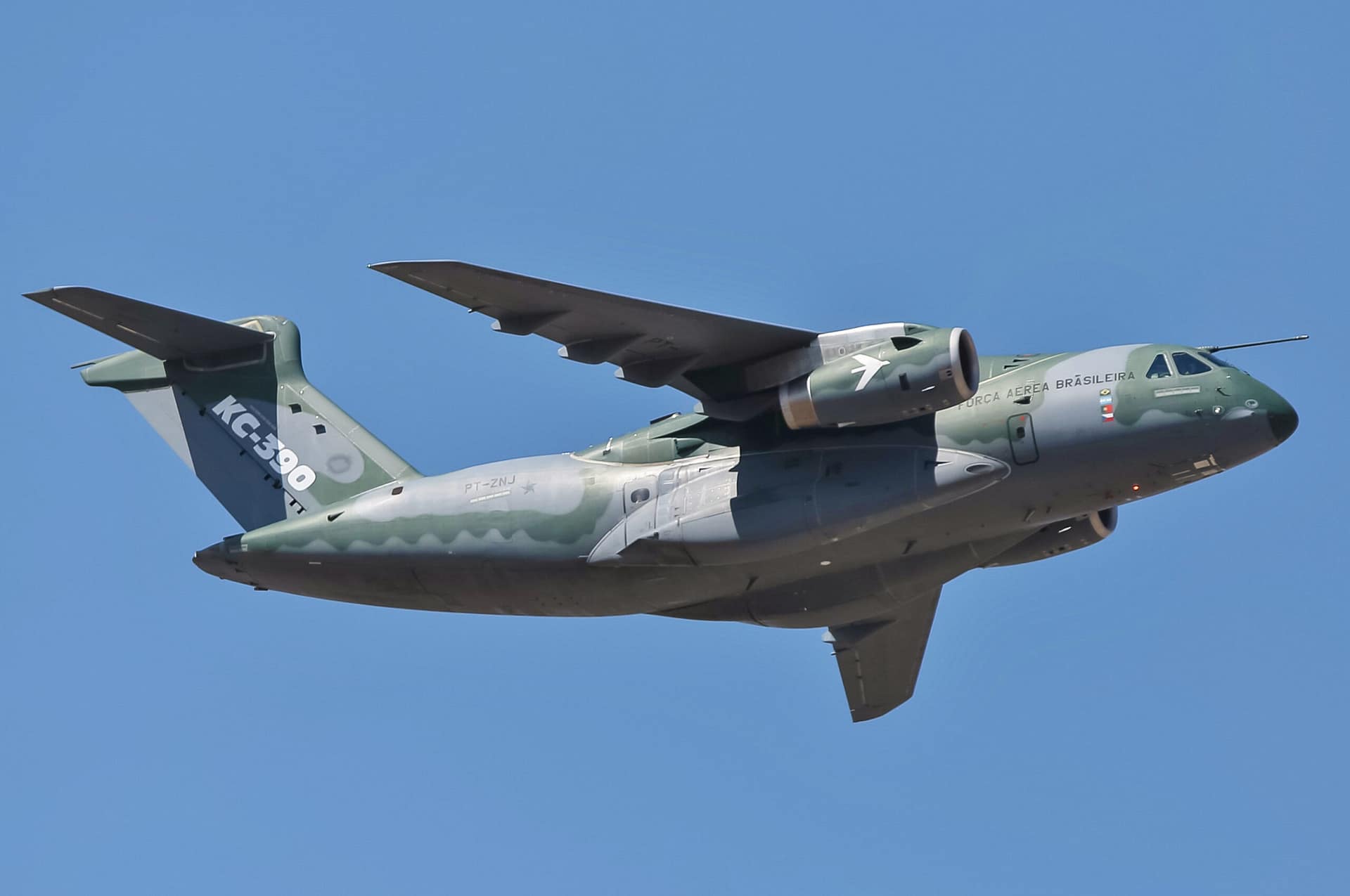
Embraer has gone further than a simple sale. Through a partnership with India’s Mahindra Group, it has offered to set up assembly and a maintenance, repair and overhaul hub on Indian soil — aligning the bid with New Delhi’s “Make in India” policy. The company also claims the C-390 undercuts the rival Lockheed C-130J on operating cost.
What each side gets
In return, Brazil wants two Indian-built platforms. The Tejas Mk1A is a light, single-engine multirole fighter with a modern AESA radar — a candidate to supplement Brazil’s incoming Gripen E fleet and eventually replace its ageing F-5 Tiger IIs. The HAL Prachand is a high-altitude light combat helicopter suited to Brazil’s varied terrain.
The arrangement rests on a “balanced procurement” principle: if India buys Brazilian, Brazil commits to buying an equivalent value of Indian kit. Brazil’s ambassador to India, Kenneth da Nóbrega, has publicly confirmed the reciprocal intent on both sides.
Why now
The timing is no accident. Brazil has been squeezed by US trade pressure, including tariff threats that struck at companies like Embraer. India, meanwhile, has spent decades trying to wean itself off Russian hardware while resisting the conditions attached to American deals. A jet-for-jet barter between two BRICS economies sidesteps both problems at once.
That willingness to transfer technology — not just sell airframes — is the real lure. For both countries, the prize is industrial: building aircraft at home, keeping the jobs, and owning the supply chain rather than renting it.
The catch
Nothing is signed. The C-390 still has to win India’s Medium Transport Aircraft competition, and Brazil’s fighter and helicopter choices must clear their own approvals and offset requirements. Official selection is expected later in 2026, and barter deals of this scale are notoriously slow to convert from handshake to contract.
But the direction of travel is unmistakable. Two countries that the great powers have long treated as customers are increasingly choosing to trade with each other instead — on their own terms.
Embraer showcases the C-390 Millennium at Aero India — the aircraft at the heart of India’s transport decision.
Sources: FlightGlobal; Air Data News; defence.in; Indian Defense News; The Defense Post.
Related Questions
What is the India-Brazil jet swap deal?
India and Brazil are negotiating an unusual barter: India would supply its home-built Tejas Mk1A fighters and Prachand attack helicopters, while Brazil would provide its Embraer C-390 Millennium transport jets. No cash would change hands — the two BRICS nations would simply trade the aircraft each one needs.
What is the Embraer C-390 Millennium?
The C-390 Millennium is a jet-powered tactical transport built by Brazil's Embraer. It can carry up to 26 tonnes, refuel other aircraft in flight, and operate from short or unpaved runways — capabilities India wants for Himalayan resupply and island logistics under its Medium Transport Aircraft programme.
What is the HAL Tejas?
The HAL Tejas is a lightweight, single-engine multirole fighter developed in India by Hindustan Aeronautics Limited. The Tejas Mk1A is an upgraded version with improved radar and weapons, and it is the fighter India is offering Brazil in the proposed swap. India is also developing the more capable Tejas Mk2.
Why would countries barter aircraft instead of buying them?
A barter lets each country obtain aircraft it needs without spending scarce foreign currency and without the political strings, tariffs or sanctions that can come with buying from the United States or Russia. For India and Brazil it is also a showcase of "South-South" cooperation between emerging aerospace industries.
What is the HAL Prachand?
The HAL Prachand is an Indian light combat helicopter built by Hindustan Aeronautics Limited for attack and high-altitude roles. Along with the Tejas fighter, it is part of what India has offered Brazil in the proposed barter for Embraer's C-390 transport jets.
Related Posts
0 Comments