
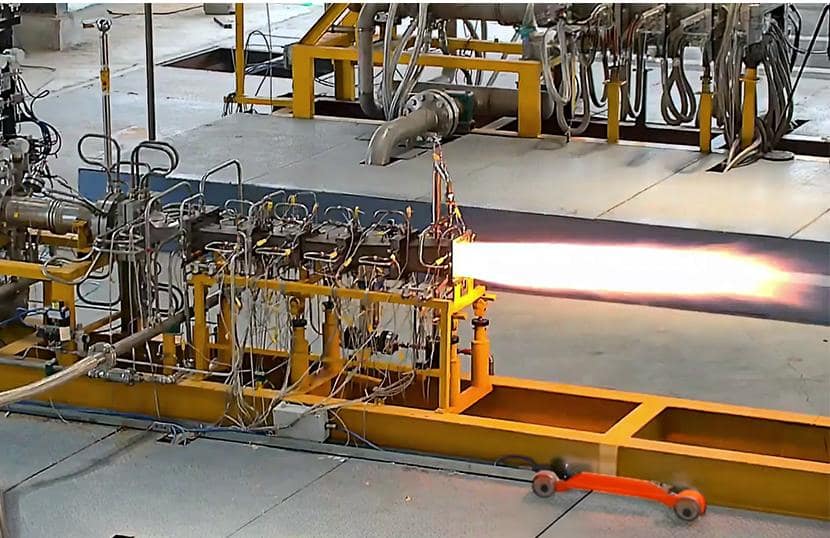
For nearly twenty minutes, a scramjet engine in Hyderabad kept burning — and with it, India edged closer to a weapon that flies faster than almost anything can stop.
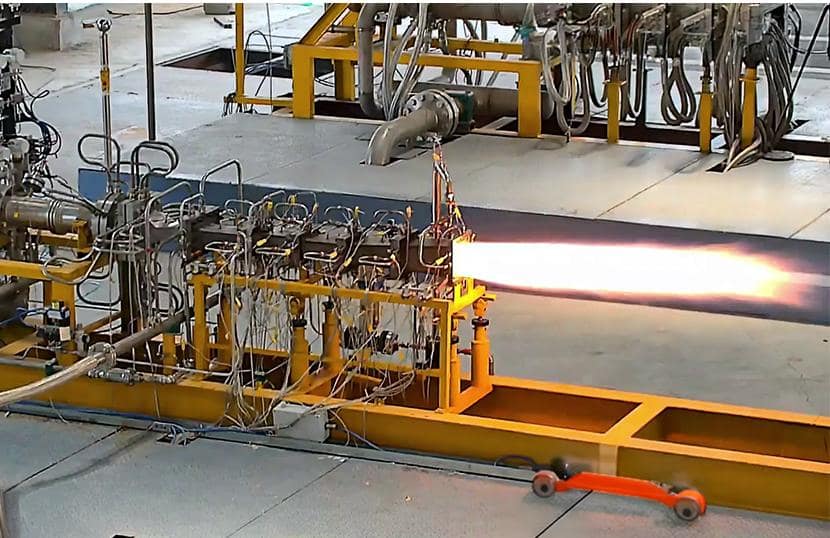
India’s Defence Research and Development Organisation announced that it ran a full-scale, actively cooled scramjet combustor for more than 1,200 seconds in a ground test — about twenty minutes, and nearly double an earlier run. It is a foundational milestone for the country’s hypersonic cruise missile programme.
Quick Facts
- Who: India’s DRDO (Defence Research and Development Laboratory)
- What: full-scale actively-cooled scramjet combustor
- Run time: more than 1,200 seconds (~20 minutes)
- Where: Scramjet test facility, Hyderabad
- Goal: power a hypersonic cruise missile (Mach 5+)
Why a Scramjet Is So Hard
A scramjet has no moving compressor. It rams air in at supersonic speed, mixes in fuel, and burns it — all while the air is still travelling faster than a rifle bullet through the engine. Keeping a flame lit in that hurricane, and stopping the engine from melting, is one of the hardest problems in propulsion. Most scramjet tests are measured in seconds. Running one for twenty minutes is a serious demonstration of endurance and cooling.
Joining the Hypersonic Race
Hypersonic weapons — those flying above Mach 5 and manoeuvring as they go — are the prize of a global arms race between the United States, China, Russia and now a widening field that includes India. An air-breathing scramjet missile would let India strike at long range and extreme speed, compressing an enemy’s reaction time to almost nothing. A ground test is a long way from an operational missile, but a twenty-minute burn is exactly the kind of unglamorous milestone that makes one possible.
Sources: India DRDO / Press Information Bureau; The Defense Post; Deccan Herald.



 English
0 Comments