
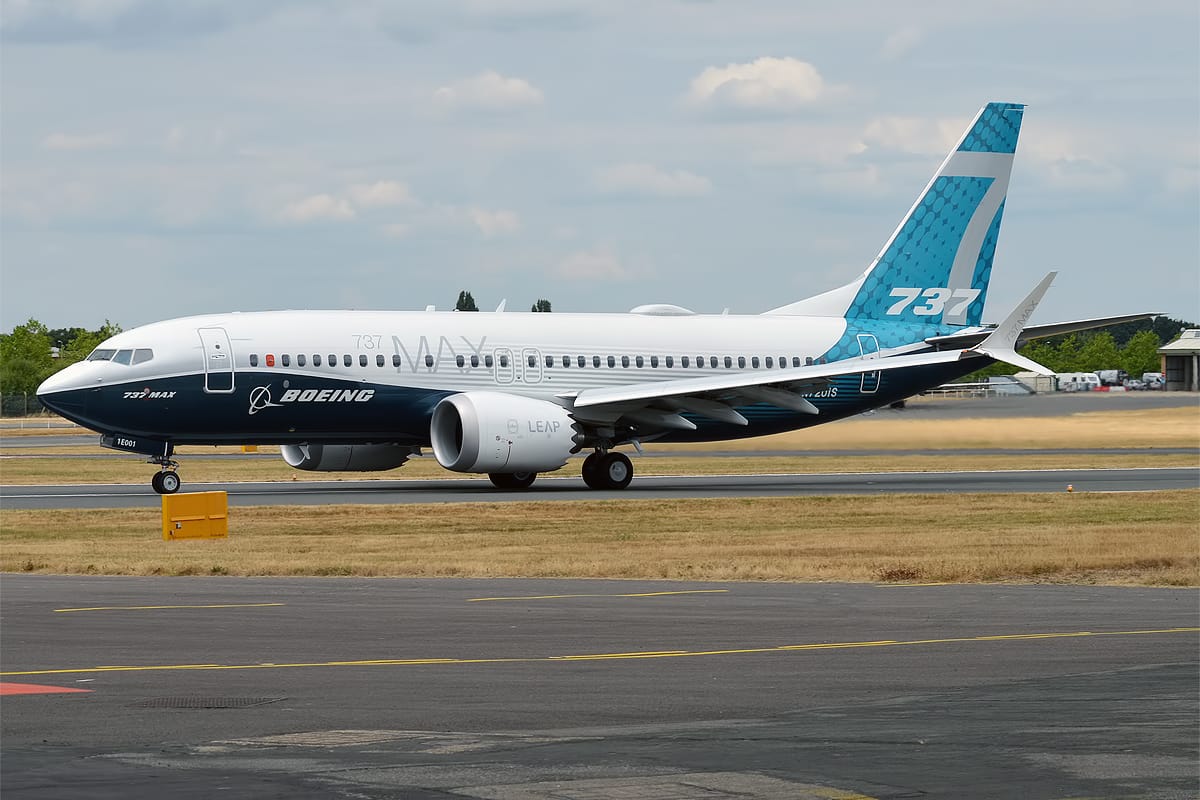
After a certification saga that outlasted a pandemic, three Boeing CEOs and the better part of a decade, the smallest jet in the 737 MAX family is finally legal to carry passengers.
On 3 August, the U.S. Federal Aviation Administration granted Boeing an amended type certificate for the 737-7 — the aircraft most people know as the MAX 7 — clearing it for commercial service and, at last, for delivery. The test program that ended this week began back in 2018.
Informazioni rapide
- Aeromobili: Boeing 737-7 (the 737 MAX 7)
- Pietra miliare: FAA amended type certificate granted 3 August 2026
- Motivo di fama: smallest and longest-range member of the 737 MAX family
- Capacity/range: 135–160 seats (two-class); up to 3,800 nm (7,040 km)
- Testing: program began 2018; 1,000+ hours of flight and ground testing
- Launch customer: Southwest Airlines
- Still to come: 737-10 certification, targeted this year
The little MAX that took forever
The 737-7 is the runt of the MAX litter, and proud of it. It seats 135 to 160 passengers in two classes but offers roughly 10% more range than its bigger siblings — up to 3,800 nautical miles — and is tuned for hot-and-high airports where other single-aisles struggle. Like the rest of the family, Boeing says it burns about 20% less fuel and is half as loud as the jets it replaces.
So why did the smallest, in many ways simplest, MAX take the longest to certify? The aircraft got swept up in the intense post-crash scrutiny of the entire MAX program and the FAA’s tougher, slower certification regime. Along the way, flight testing turned up a problem with the engine anti-ice system that had to be redesigned. In total the effort ran to more than 1,000 hours of flight and ground testing plus exhaustive safety and human-factors reviews.
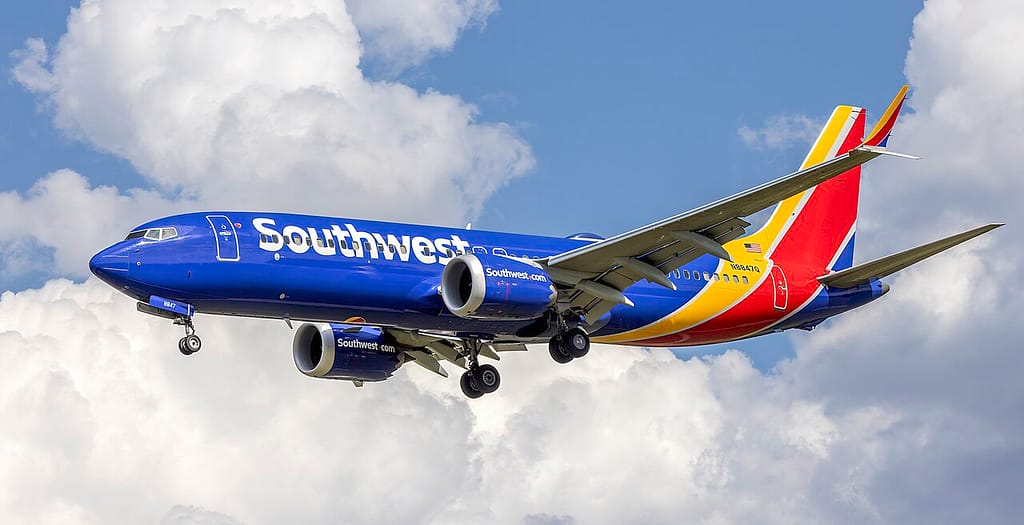
Southwest has been waiting a long time
Nobody has waited more patiently than Southwest Airlines, the 737-7 launch customer, which built much of its future fleet plan around the type and has aircraft already assembled and waiting. With the certificate in hand, Boeing and Southwest are now preparing the first deliveries, including final configuration updates to the earliest jets.
The certification also matters for what it says about Boeing’s relationship with its regulator. The company framed the multi-year grind as a lesson learned — one it hopes will make the next aircraft program faster, not slower.
One MAX down, one to go
The 737 MAX order book still stands north of 7,200 aircraft, with more than 2,300 delivered by mid-2026. The 737-7 was the second-to-last piece of the puzzle; the stretched 737-10, the largest and most economical of the family, is next in the FAA’s in-tray, with Boeing aiming to certify it this year. For a program that has known more than its share of dark days, quietly clearing a jet through certification counts as a good week.
Footage from the 737-7’s first flight, back in 2018 — the start of the long road that ended this month:
Sources: Boeing, U.S. Federal Aviation Administration, Aviation Week, AirlineGeeks.
0 Commenti