
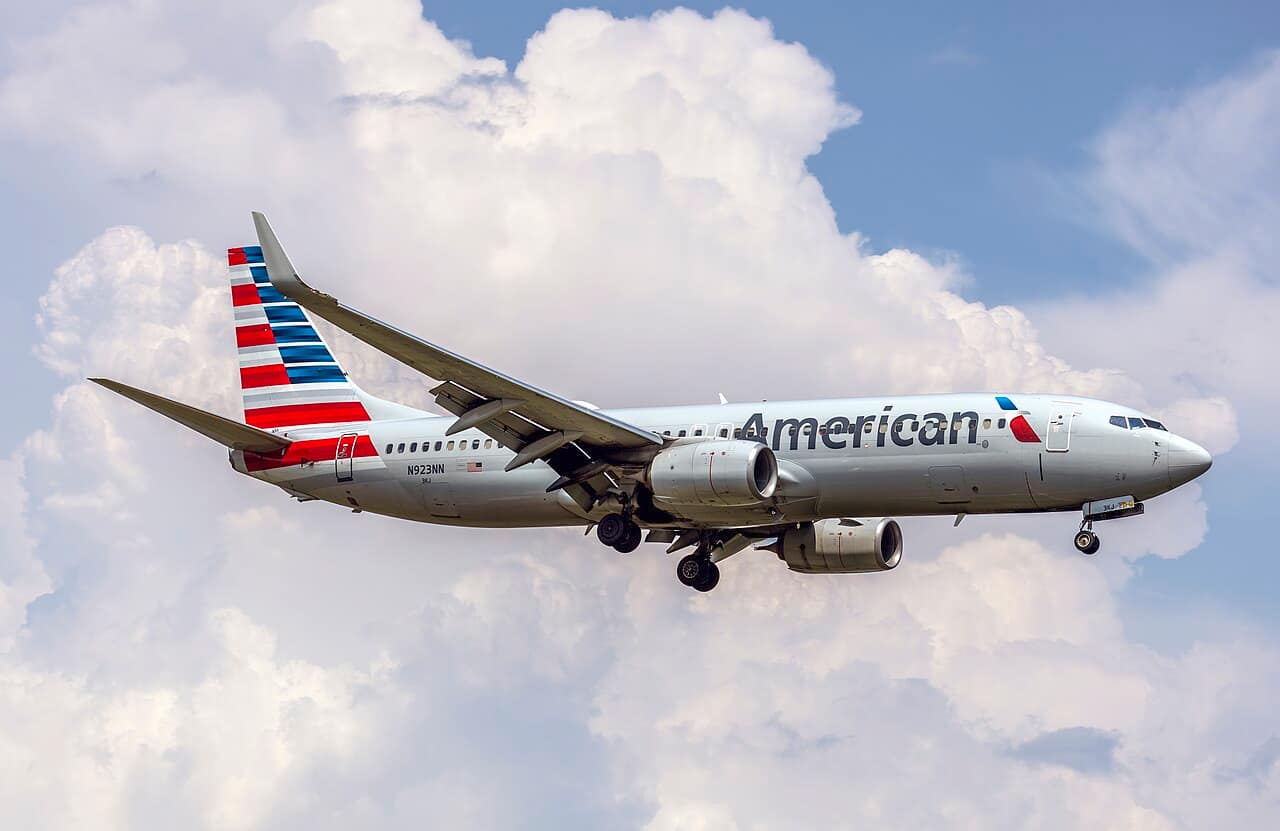
It is the sound every passenger dreads and every pilot trains for: a bang, a shudder, and flames licking back from the engine seconds after the wheels leave the runway. On the morning of August 10, 2026, the people aboard American Airlines Flight 1760 got all three.
The Boeing 737-800 had just lifted off from Myrtle Beach, bound for Charlotte, when it flew through a flock of birds. Passengers near the wing watched sparks and flame pulse from the engine as it coughed and banged. Up front, the crew did exactly what the training demands. Onto the radio went three words that clear the sky: mayday, mayday, mayday.
Minutes later the jet was back on the ground at Myrtle Beach, all 172 people aboard safe, and a runway crew was sweeping up feathers.
INFORMAZIONI RAPIDE
| Volo | American Airlines 1760 |
| Aeromobili | Boeing 737-800 |
| Itinerario | Myrtle Beach (MYR) to Charlotte (CLT) |
| Data | Monday, August 10, 2026, ~8:40 a.m. |
| A bordo | 172 people; no injuries |
| Causa | Bird strike into an engine on departure |
| Stato | Landed safely; aircraft pulled for inspection |
What the passengers saw
Video shot from the cabin captured the drama: bright flashes stabbing from the engine as the aircraft climbed out over the water, and a voice muttering that the engine was “backfiring like crazy.” It looks like catastrophe. It usually is not.
When a bird is swallowed by a jet engine, it can disrupt the smooth airflow through the compressor. The result is a compressor stall or surge: the engine momentarily belches flame and bangs like a shotgun as high-pressure air blows back out the front. Dramatic, loud, and alarming, but not the same as an engine on fire. American Airlines said afterwards there was no indication of an actual fire in the engine.
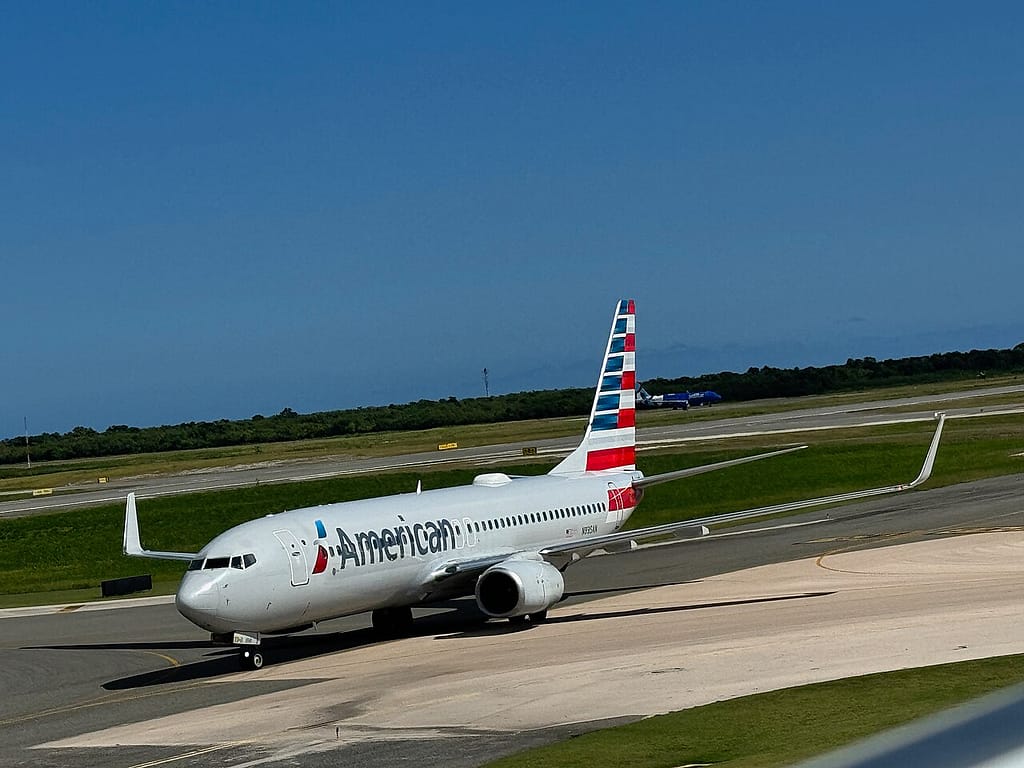
The crew declared an emergency, ran their checklists, and brought the jet back around to Myrtle Beach, touching down around 8:40 a.m. Emergency crews met it as a precaution; passengers walked off at the gate. Nobody was hurt.
Why birds still beat jets
Bird strikes remain one of aviation’s most stubborn hazards. Takeoff and initial climb are the danger zone: the aircraft is low, slow and loud, and the engines are gulping enormous volumes of air right through bird territory. Airports spend fortunes on falconers, gas cannons, grass management and radar to keep flocks away, yet a single unlucky pass through a flock can do what this one did.
The FAA is investigating, and in a nice touch of forensic detail, the recovered bird remains were sent to the Smithsonian Institution to identify the species involved. Air traffic recordings noted a “significant” number of birds on the runway afterwards.
For a sense of why a mouthful of birds can turn a routine departure into a mayday, this explainer breaks down what actually happens inside the engine:
The headline number that matters most: 172 people went up, and 172 people came home. A trained crew, a robust airframe, and a textbook return turned a frightening morning into a non-event. That is the system working exactly as designed.
Sources: CNN; Fox News; The Post and Courier; CBS News; NTD (all 10-11 Aug 2026); FAA.
0 Commenti