
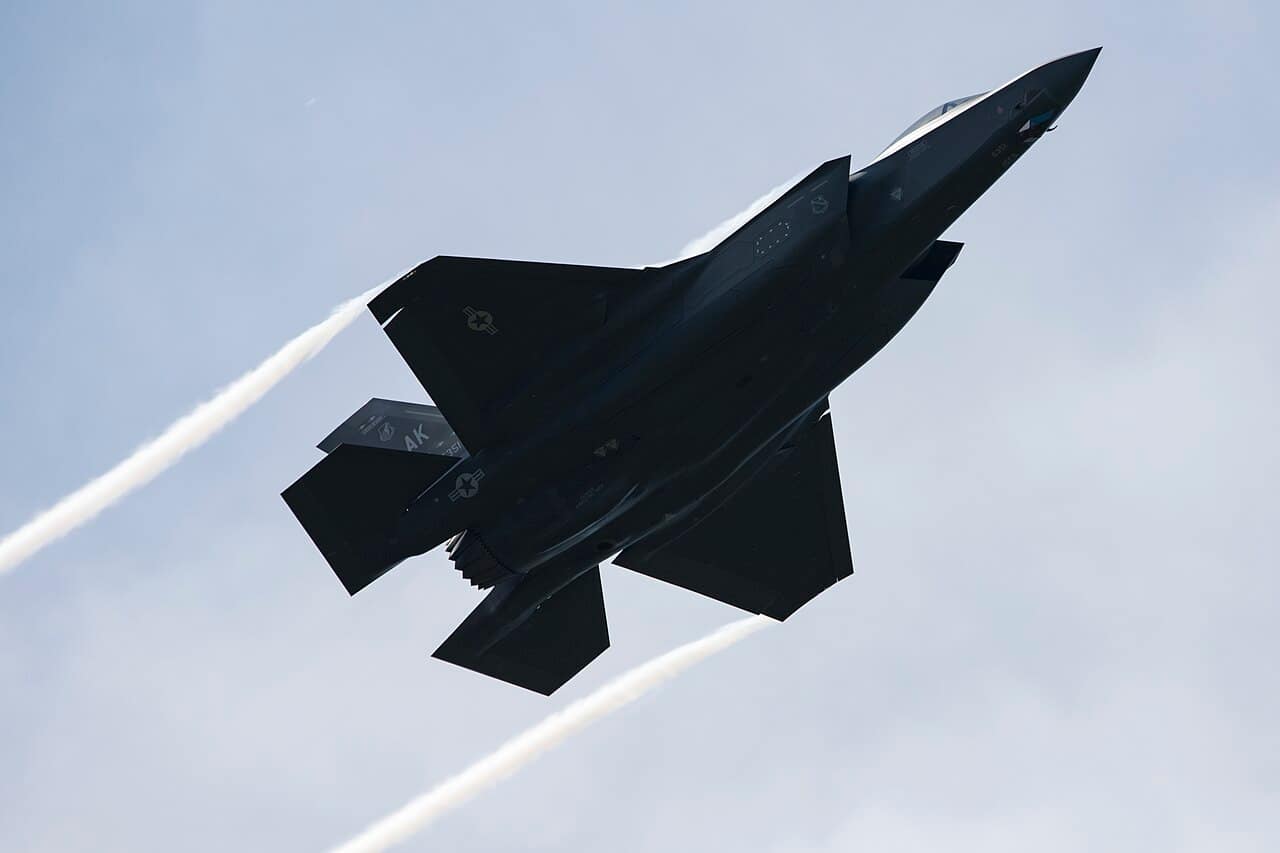
There is a patch of sky over interior Alaska so large it could swallow a small country. This month, American and Australian fighter crews are fighting a war inside it.
Red Flag-Alaska 26-3 began on 13 August and runs through 28 August 2026, a Pacific Air Forces-sponsored exercise flown over the Joint Pacific Alaska Range Complex. This iteration is a two-nation affair: the U.S. Air Force and the Royal Australian Air Force, most of their jets operating out of Eielson Air Force Base and Joint Base Elmendorf-Richardson.
The point is not to win. The point is to fail somewhere it doesn’t cost lives.
Informazioni rapide
- Esercizio: Red Flag-Alaska 26-3, sponsored by Pacific Air Forces
- Date: 13–28 August 2026
- Chi: U.S. Air Force and Royal Australian Air Force
- Bases: Eielson AFB and Joint Base Elmendorf-Richardson, Alaska
- Spazio aereo: the Joint Pacific Alaska Range Complex — about 120,000 square miles, the largest combat training range in the world
- Scopo: realistic training in a simulated deployed environment; interoperability and shared tactics
The biggest range on Earth
Numbers explain the appeal. The Joint Pacific Alaska Range Complex covers roughly 120,000 square miles of airspace — larger than the whole of Norway — which lets planners build the sprawling, layered engagements that a real campaign demands. Fighters, tankers, transports and ground forces all fold into one scenario, flying against a thinking adversary rather than a checklist.
Home to Eielson’s own F-35A Lightning II squadrons and a regular haunt of the F-22 Raptor, the range is where American airpower rehearses the Indo-Pacific fight it hopes never to have.
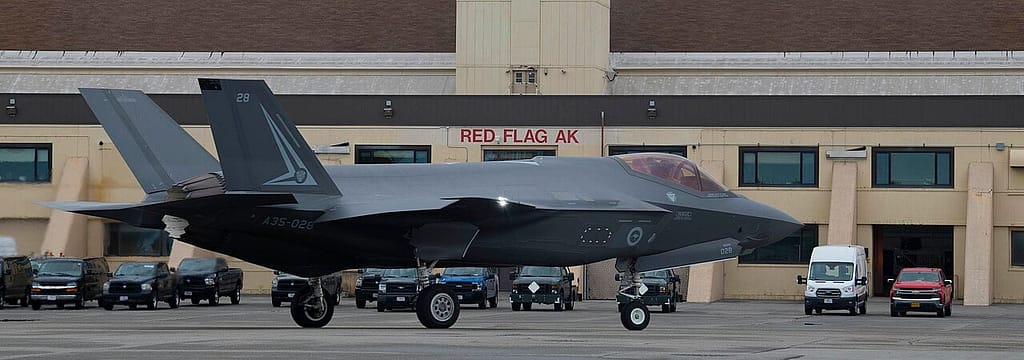
Two air forces, one playbook
Australia is not a casual guest. The RAAF flies the same F-35A as its American hosts, which makes the two forces unusually easy to knit together — shared jets, shared data links, shared tactics. Exercises like this one are where that compatibility is proven under pressure, not assumed on a briefing slide.
Perché è importante
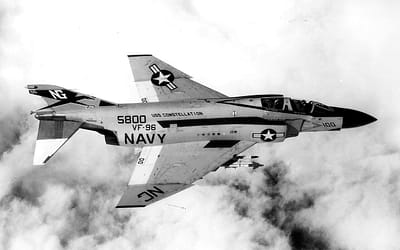
Red Flag-Alaska traces its lineage to the hard lesson of Vietnam — that a pilot’s most dangerous missions are the first ten, and that survivable numbers rise sharply once those are flown in training instead of combat. The modern exercise simply moves those first ten sorties to a place where mistakes are recoverable.
The jets that scream over the Alaskan tundra this month — American F-16, F-35s from two nations — are writing a kind of insurance policy. It is expensive, it is loud, and if it works, no one will ever see it pay out.
Sources: Pacific Air Forces press release (3 Aug 2026); U.S. Department of War / Red Flag-Alaska 26-2 coverage; Eielson Air Force Base. Exercise dates per PACAF: 13–28 August 2026.
0 Commenti