
He had thirteen American kills, a colonel’s rank, and a name that made young U.S. pilots go quiet: Colonel Toon. He was North Vietnam’s deadliest ace, the ghost every Navy flier feared meeting over Haiphong. There was only one problem with the legend of Colonel Toon. He may never have existed at all.
The story starts with a real dogfight — one of the most famous in the history of naval aviation — and ends with a mystery that historians are still arguing about.
10 May 1972
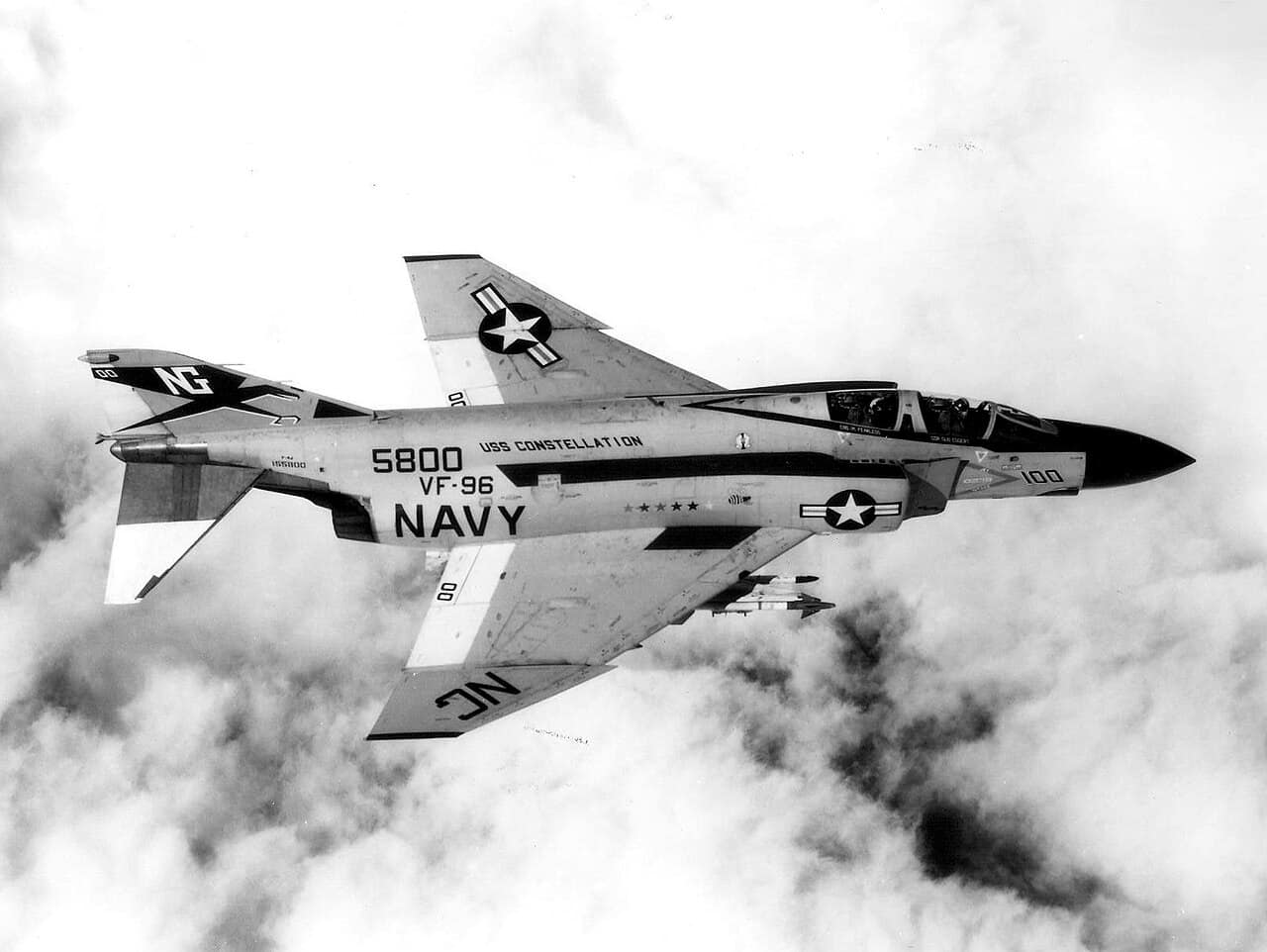
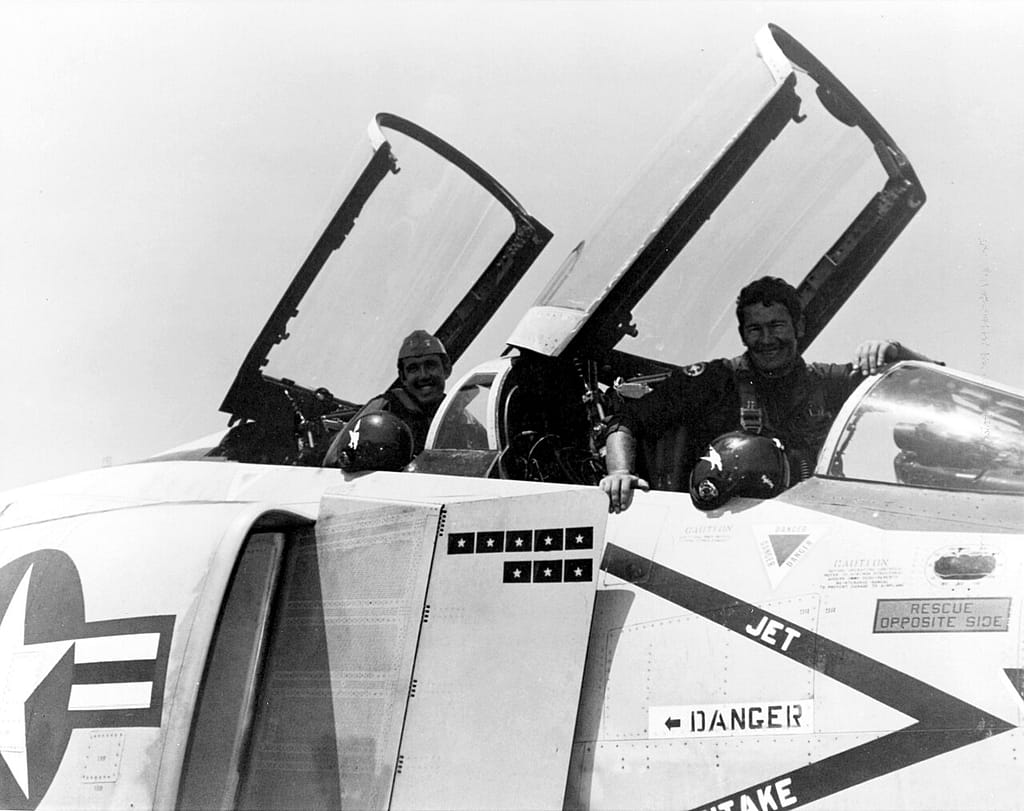
Lieutenant Randy “Duke” Cunningham was heading home. Flying an F-4J Phantom II from the carrier USS Constellation, callsign “Showtime 100,” with Willie Driscoll in the back seat running the radar, he had just come off a strike near Haiphong. That day he had already downed two MiG-17. Then a third Fresco came at him nose-on, cannons winking, and refused to die.
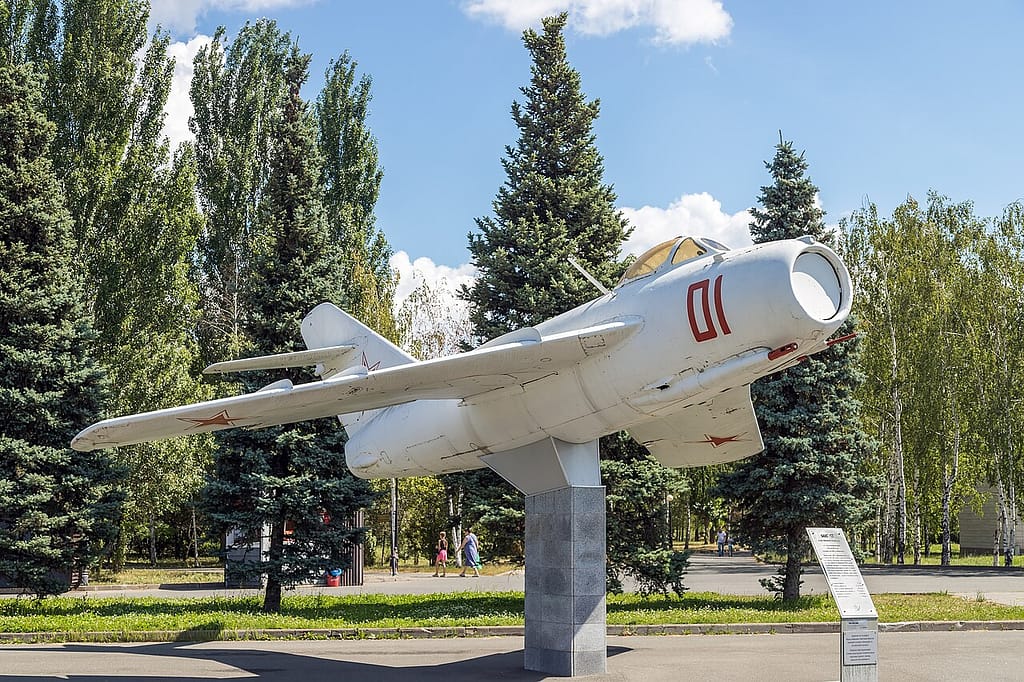
What followed was not a modern missile duel but an old-fashioned knife fight. The two aircraft went vertical, then into a rolling scissors, each pilot trying to force the other out in front. The MiG matched Cunningham climb for climb, canopy to canopy, at one point just a hundred yards away. It was everything American aircrews had been told the MiG-17 could not do against a Phantom.
The shot
The fight bled speed until both jets were wallowing near 150 knots — the MiG’s home turf, not the Phantom’s. Cunningham chopped his throttle, popped his speed brakes, and let the MiG overshoot. When it pitched up to run, he fired his third Sidewinder.
For a heartbeat the missile seemed to miss. Then a flash, black smoke, and the MiG-17 fell away and hit the ground at a shallow angle. It was Cunningham and Driscoll’s fifth kill — making them the only U.S. Navy aces of the entire war. Minutes later a surface-to-air missile caught their Phantom near the coast; the two men ejected into the South China Sea and were rescued.
Informazioni rapide
- The legend: Colonel Toon (or “Tomb”), a North Vietnamese ace credited with 13 US kills
- The reality: no pilot of that name appears in North Vietnamese records
- The dogfight: 10 May 1972, Cunningham & Driscoll (F-4J “Showtime 100”) vs a MiG-17
- The result: the MiG-17 downed; the crew became the Navy’s only Vietnam aces
- Likely origin: a propaganda composite, sometimes linked to real ace Nguyen Van Coc
Chasing a ghost
After the war, when researchers went looking for Colonel Toon in North Vietnamese archives, they found nothing. No service record, no photograph, no biography — a strange absence for a national hero with thirteen victories. Most historians now believe Toon was a myth: a name that drifted through American ready rooms and hardened into a legend, perhaps loosely inspired by genuine aces like Nguyen Van Coc.
That does not make the pilot Cunningham fought any less real, or any less good. Whoever sat in MiG-17 number 3020 that day flew one of the finest defensive fights of the war.
Why the myth endured
Legends need a villain, and Colonel Toon was a perfect one — faceless, deadly, and finally beaten by American skill and training. His defeat became the story the U.S. Navy wanted to tell about its new Top Gun school: that preparation, not luck, won dogfights. Whether or not Toon was ever a man, he became something more useful — a symbol. And the aircrew who “killed” him flew home into history.
Sources: The Aviation Geek Club; MilitaryHistoryNow; SOFREP; George Hall, “Top Gun”; Wikipedia (“Colonel Tomb”). Cunningham quote via his own account of the engagement.
0 Commenti