
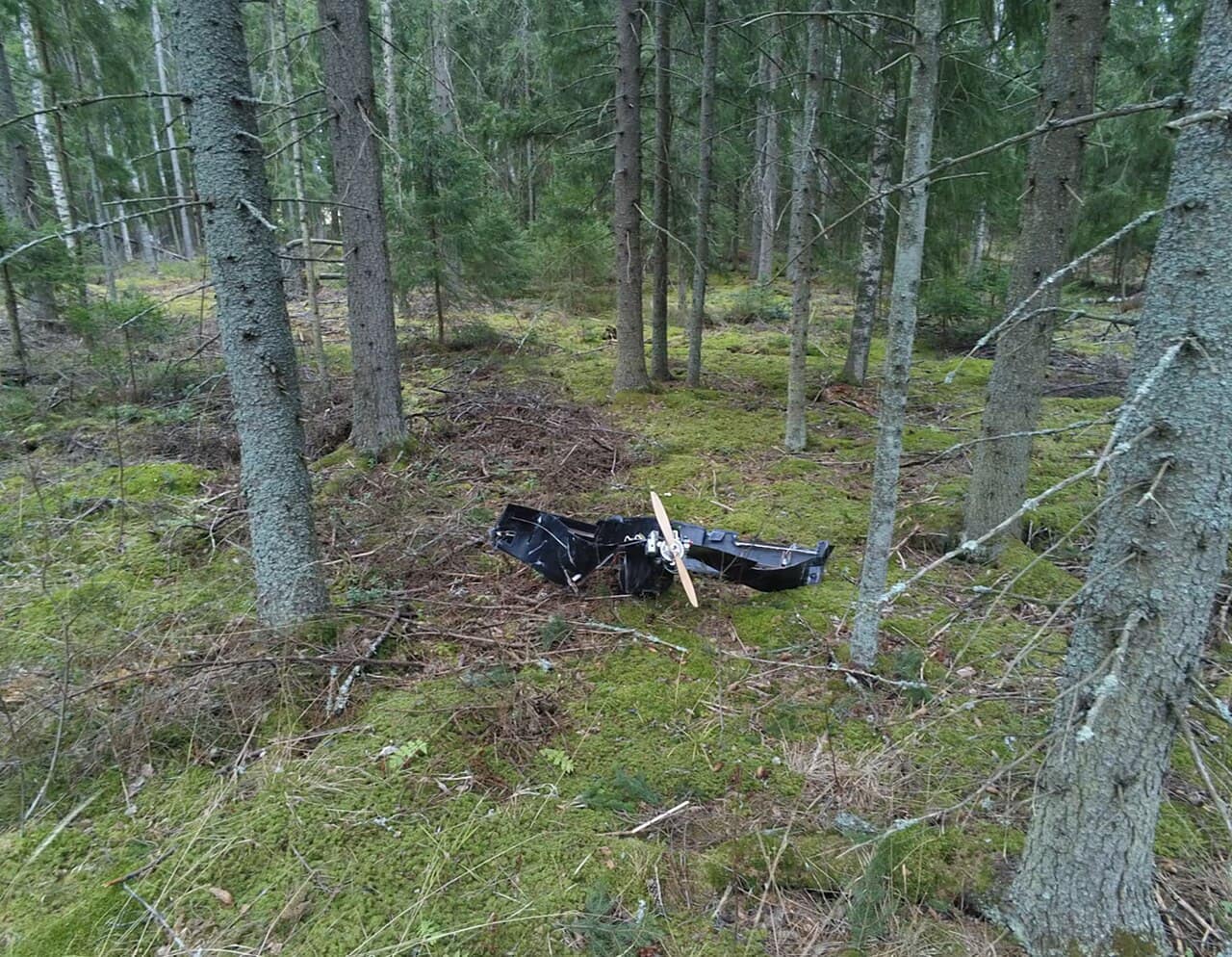
On 10 August, Ukrainian drones hit the Taneco refinery at Nizhnekamsk in Tatarstan, 1,200 kilometres from Ukraine. We covered it in Ukraine Hits Russia’s Deepest Refinery Yet.
Ten days later they went back and hit it again.
That is the part worth paying attention to. A single strike at that range is a demonstration. A second strike on the same target ten days later is a campaign.
Informazioni rapide
| Bersaglio | Taneco refinery, Nizhnekamsk, Tatarstan (Tatneft-owned) |
| Second strike | Overnight 20 August 2026 |
| First strike | 10 August 2026 — a ten-day interval |
| Also struck 20 August | Tamanneftegaz oil terminal, Krasnodar Krai |
| Distance from Ukraine | Approximately 1,200 km (745 miles) |
| Refinery capacity | Up to 16 million tonnes of crude per year (Ukrainian General Staff) |
| Arma | FP-1 long-range drone [single-source OSINT, unconfirmed] |
| Independent confirmation | NASA FIRMS satellite fire detection at the Tamanneftegaz terminal |
| Russian acknowledgement | Tatarstan authorities confirmed disruption and damage |
What Was Hit, and by Whose Account
Ukraine’s General Staff confirmed both targets. It described Taneco in operational terms.
Russia did not deny an attack took place. The press service of Rustam Minnikhanov, head of the Republic of Tatarstan, said the strike caused “disruptions in the operation of an industrial cluster” and damaged residential buildings, while crediting air defence and mobile teams with limiting the damage. Casualties were referred to without a figure.
The independent element is satellite fire detection. NASA’s FIRMS system registered thermal anomalies at the Tamanneftegaz terminal, which is the kind of confirmation that does not depend on either government’s account.
Nizhnekamsk Is Becoming a Habit
Taneco is not an isolated target. The TAIF-NK refinery in the same city was struck in July 2026. Nizhnekamskneftekhim was hit in May and again in June. Tamanneftegaz itself was damaged in June, losing three storage tanks, a pipeline and loading infrastructure.
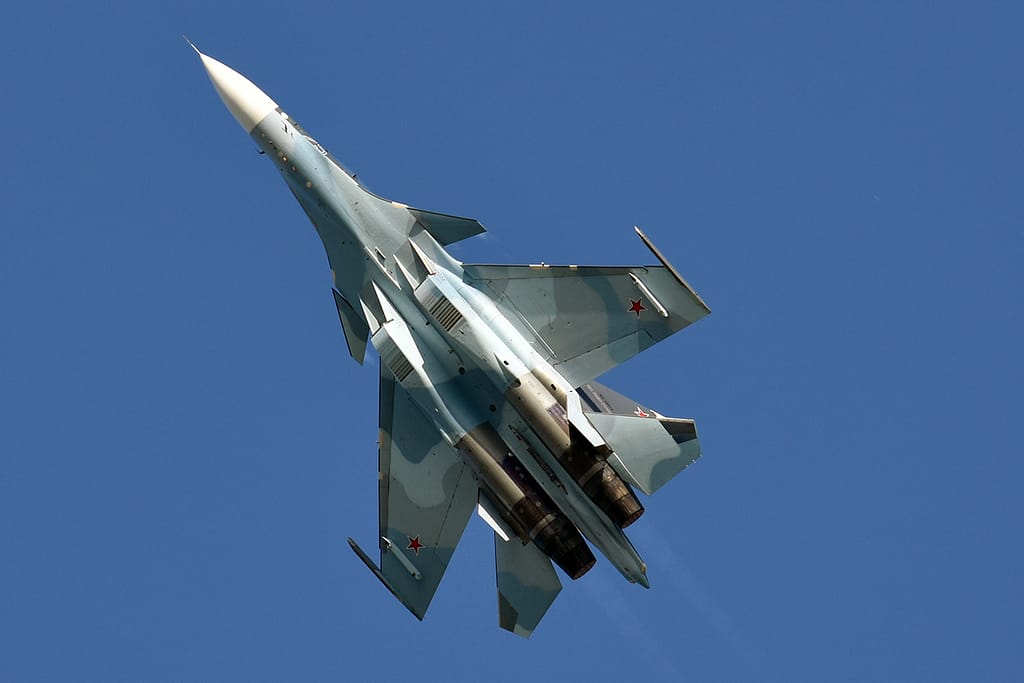
Three days after the refinery strike, on 23 August, Ukraine’s Unmanned Systems Forces claimed a separate and much broader day of attacks: fourteen targets including two fighters, a strike-reconnaissance drone, eight radars, a Tor, a Pantsir and an S-400 position, across Rostov Oblast, Krasnodar Krai and occupied Crimea.
Those claims have not been independently confirmed and Russia has not acknowledged them. One detail is already disputed: the aircraft Ukraine identified as a Su-33 at Vityazevo appears from the cockpit profile to have been a two-seat Su-30SM, most likely of a naval aviation regiment displaced from Crimea. We reported the strike as announced in Ukraine Says It Hit Two Russian Jets on the Ground; the type identification should be treated as unsettled.
Why Repetition Is the Point
Refineries are not destroyed by single strikes. They are large, redundant, and staffed by people who repair them. What degrades a refinery is being hit again before the last repair is finished.
That is what a ten-day interval at 1,200 kilometres actually signals: not a lucky one-off, but enough airframes, enough range and enough targeting confidence to schedule a return visit. Russia’s air defence problem is no longer stopping a raid. It is stopping a rota.
A note on figures. The casualty toll from the 10 August strike is reported as either 12 or 13 dead depending on the outlet, and the nationalities of the foreign workers among them are also inconsistently reported. We are not picking a number.
Sources: The Kyiv Independent, 20 August 2026; Meduza (via Interfax), 20 August 2026; Militarnyi, 20 and 23 August 2026; Euromaidan Press, 23 August 2026; NASA FIRMS. Ukrainian strike claims are attributed and not independently verified.
0 Commenti