
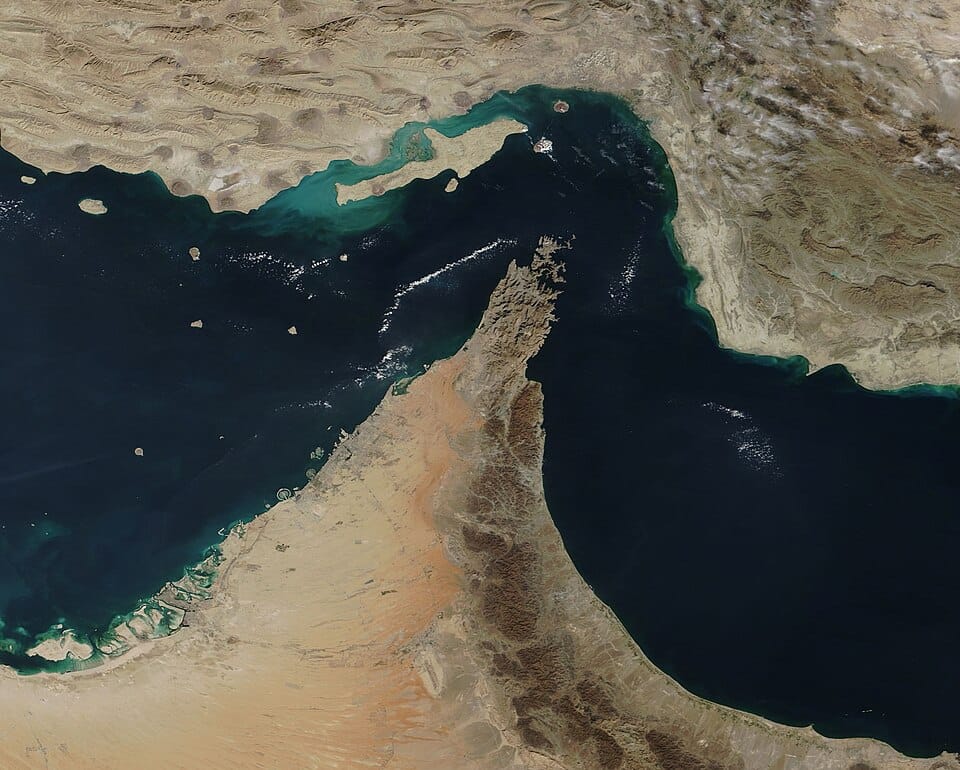
Jet fuel just did something it hasn’t done in a decade. In a matter of weeks, it doubled. Airlines across Asia woke up in mid-March facing a crisis: the Strait of Hormuz—through which nearly 20 percent of the world’s crude oil flows—was becoming a war zone, and every airline’s operating cost just jumped through the roof.
From Vietnam to New Zealand, carriers began announcing fuel surcharges, route cancellations, and fare increases that would reshape travel for millions. China started rationing exports. Japan’s carriers announced service cuts. India’s oil minister warned of cascading shortages. And every airline in the region knew: this wasn’t speculation—it was already here.
The Price Shock Nobody Was Ready For
Jet fuel prices climbed from $85–90 per barrel to $195 in roughly 30 days. That’s not a fluctuation—that’s a shock. And Asia bore the worst of it because Asia drinks more oil than anywhere else on Earth. China, India, Japan, and South Korea alone account for 75 percent of regional crude and 59 percent of LNG exports from the Middle East.
When Iran’s first retaliatory strike damaged Saudi oil infrastructure and threatened further escalation, the Strait of Hormuz went from a shipping lane to a front line. Trading floors panicked. Futures spiked. And suddenly, every Asian airline was looking at operational margins that had just been cut in half.
The International Energy Agency’s chief called it \"the greatest global energy security challenge in history.\" Hyperbole, maybe. But not by much. When the world’s primary oil corridor becomes a active conflict zone, nothing moves normally—not crude, not diesel, not jet fuel, and certainly not aircraft.
China Hoards, Carriers Hemorrhage
Beijing made a calculated move: the government began tightening oil exports to secure domestic supplies. China’s fuel refineries cut their export quotas to protect domestic reserves and industrial capacity. For international carriers operating from Shanghai, Beijing, or Guangzhou, it meant one thing—local fuel prices went higher still, and availability became a zero-sum game.
Japan’s carriers started slashing capacity on international routes. India’s airlines announced fuel surcharges as high as 12 percent on international flights. South Korea’s carriers warned passengers that low-cost routes to Southeast Asia would see price increases of 15-20 percent. Vietnam’s airlines began consolidating flights. The dominoes fell in real time.
When fuel costs double, you either raise prices or cut seats. Most Asian carriers chose both.
The Passenger Reckoning
For travelers, the impact was immediate. A round-trip from Tokyo to Bangkok went up 18 percent in one week. Delhi to Singapore routes saw fare jumps of 20 percent. Airlines operating on razor-thin margins in the Asian market had a choice: lose money on every flight or lose customers to competitors. Most chose the latter, then raised prices anyway.
Business travel became more expensive. Tourism bookings dropped 12-15 percent on major Asian routes. And the regional airlines that depend on short-haul frequency and low-margin profitability faced the worst crisis in decades. A carrier running 50 flights a day at $4 margins suddenly couldn’t absorb a $200-per-hour increase in fuel costs.
The war in the Middle East didn’t just spike fuel prices. It moved the entire Asian aviation market into a new pricing tier—one where only premium routes and international carriers with deep pockets could survive the short term. For Asian airlines built on volume, frequency, and efficiency, it was catastrophic.
The Ripple Effect That Won’t Stop
Here’s the fear: oil prices don’t typically fall as fast as they spike. Historical precedent suggests that even after Middle East tensions cool, fuel markets remain elevated for months. Supply chains reset slowly. Futures contracts lock in higher prices. And that means Asian carriers aren’t looking at one crisis week—they’re looking at a sustained shock that could reshape route networks for a year.
Some routes will disappear entirely. Hub competition will shift as carriers with cheaper home-market fuel gain competitive advantage. And the global aviation system just got a reminder: when the world’s primary oil corridor goes sideways, nobody in Asia flies cheap anymore.
Sources: Bloomberg, CNBC, Fortune, Time, Business Standard, IEA
Related Questions
Why did jet fuel prices spike in 2026?
Jet fuel roughly doubled in a matter of weeks in early 2026 as the Strait of Hormuz — a vital oil chokepoint — became a war zone amid the Iran conflict, with crude reaching around $195 a barrel. Airlines across Asia faced sudden cost surges, leading to surcharges, route cuts and a scramble to end the conflict.
What is the Strait of Hormuz and why does it matter for aviation?
The Strait of Hormuz is a narrow waterway between Iran and the Arabian Peninsula through which nearly 20 percent of the world's crude oil flows. When conflict threatened it in 2026, oil and jet fuel prices soared, hammering airlines whose single largest variable cost is fuel.
How much of the world's oil passes through the Strait of Hormuz?
Roughly 20 percent of the world's crude oil moves through the Strait of Hormuz, making it one of the planet's most critical energy chokepoints. Any threat to traffic there ripples quickly into global fuel prices — and directly into airline operating costs and ticket prices.
How do oil prices affect airline ticket prices?
Fuel is typically an airline's biggest variable cost, so when oil prices spike, carriers add fuel surcharges, cut unprofitable routes and raise fares. In the 2026 shock, Asian airlines from Vietnam to New Zealand did exactly that, while competition in the wider airline market intensified.
What happens to airlines when fuel costs double?
When fuel costs double, airlines burn through cash fast and respond with fuel surcharges, route cancellations and higher fares. In 2026, China began rationing fuel exports, Japanese carriers cut service and India warned of cascading shortages — reshaping travel for millions across the Asia-Pacific region.
0 Commenti