
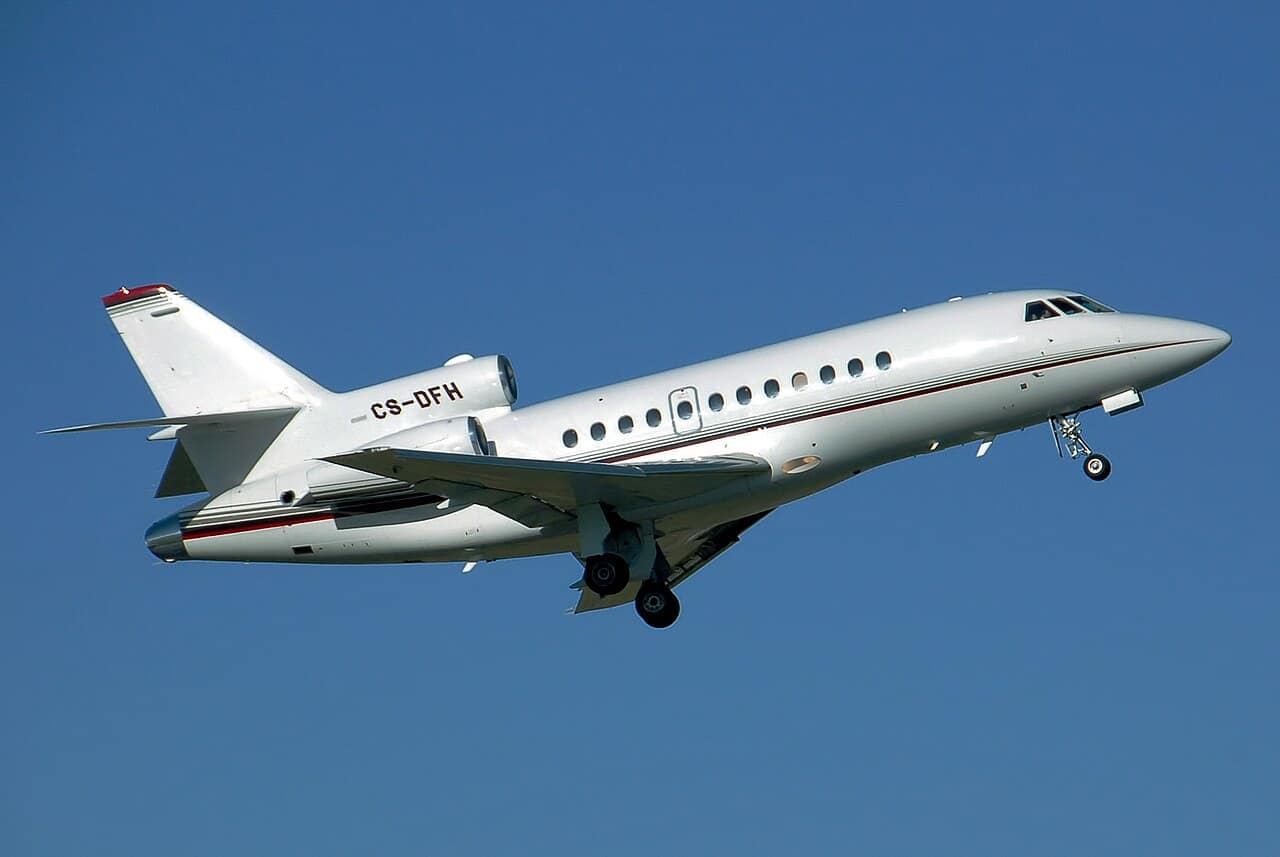
Il 10 marzo 2026, oltre 400 clienti, partner e dirigenti del settore aeronautico si sono riuniti in un nuovo capannone di produzione a Bordeaux-Mérignac, mentre Dassault Aviation alzava il sipario sul Falcon 10X — il business jet più grande, con la maggiore autonomia e tecnologicamente avanzato mai costruito dal produttore francese. Dopo anni di sviluppo e con il primo volo ormai imminente, il 10X entra in un segmento di mercato in cui solo altri due velivoli competono a questo livello: il Bombardier Global 7500 e il Gulfstream G700. Dassault è convinta di aver realizzato qualcosa di migliore di entrambi.
La cabina più ampia nell'aviazione d'affari
Il numero principale è la sezione trasversale della cabina. 2,77 metri (9 piedi e 1 pollice) di larghezza E 2,03 metri (6 piedi e 8 pollici) di altezza, Il Falcon 10X vanta la cabina più spaziosa di qualsiasi altro business jet progettato specificamente per questo scopo: circa 30 centimetri più larga e circa 12 centimetri più alta rispetto al Gulfstream G700 e al Global 7500. Sulla carta potrebbe sembrare una differenza minima, ma chiunque abbia trascorso quattordici ore all'interno della fusoliera di un business jet sa che ogni centimetro conta.
La cabina si estende per 16,4 metri (54 piedi) ed è divisa in quattro zone distinte. A seconda delle preferenze dell'armatore, queste possono essere configurate come area di riposo per l'equipaggio a prua, zona conferenze e pranzo, salone intrattenimento e suite armatoriale privata con letto matrimoniale e doccia. Il 10X trasporta 38 finestre — la più grande mai installata su un Falcon — e mantiene un'altitudine di cabina di soli 3.000 piedi a un'altitudine di crociera di 41.000 piedi, il che significa che i passeggeri arrivano con molta meno stanchezza rispetto agli aerei con altitudini di pressurizzazione della cabina più elevate.
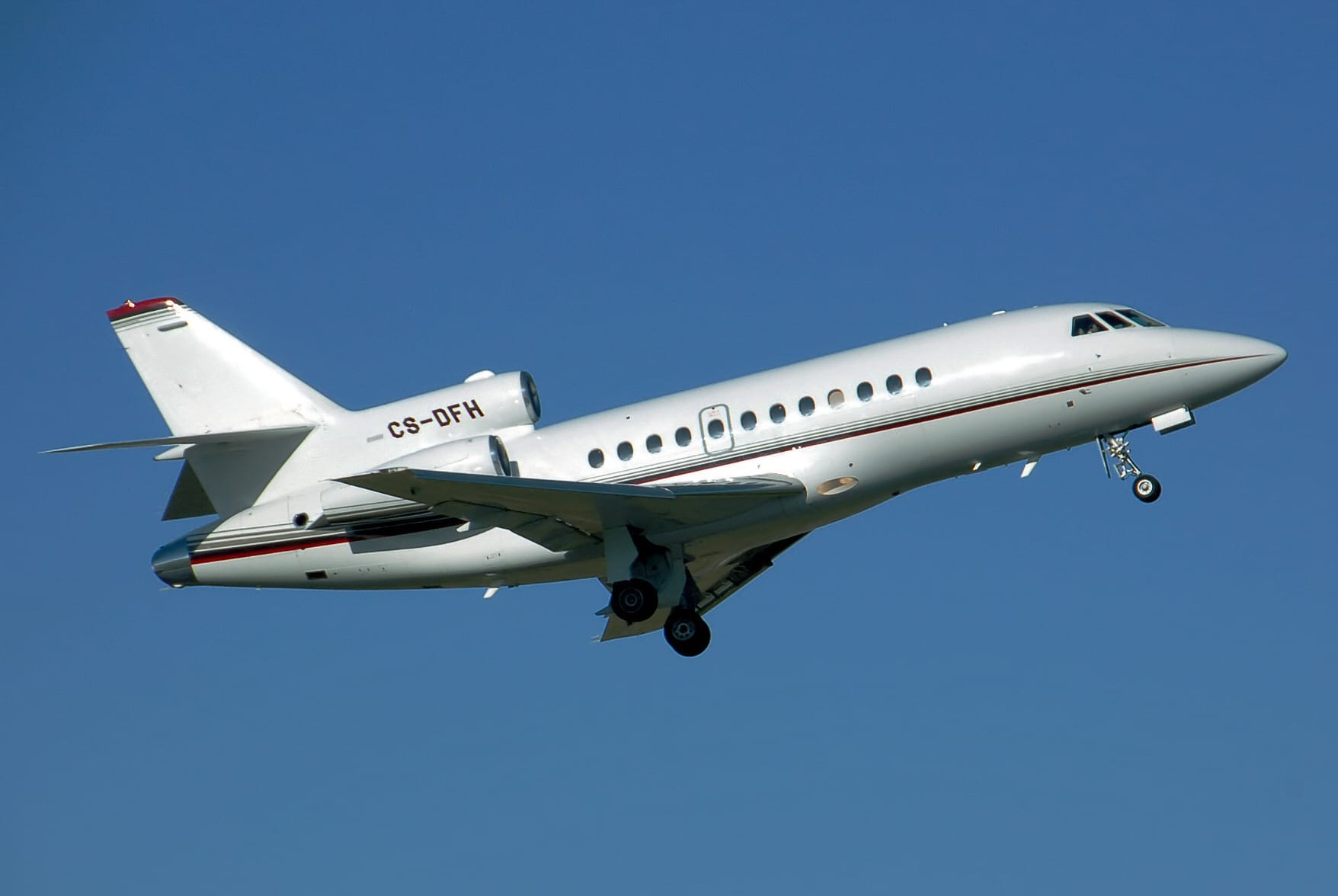
7.500 miglia nautiche: da Parigi a Tokyo, senza scalo
Il Falcon 10X è alimentato da due Motori Rolls-Royce Pearl 10X, ciascuno dei quali produce 80 kN (18.000 libbre) di spinta. Il Pearl 10X è una nuova variante della famiglia Pearl di Rolls-Royce, la stessa linea di motori che alimenta il Global 7500 e il G700, ottimizzata per il profilo aerodinamico e i requisiti di missione del 10X. Il risultato è una gamma di 7.500 miglia nautiche (13.900 chilometri) con otto passeggeri e riserve NBAA IFR, sufficienti per volare da Parigi a Tokyo, da New York a Dubai o da Londra a Singapore senza scalo.
La velocità massima è Mach 0,925 — leggermente al di sotto della velocità del suono — con una velocità di crociera tipica di Mach 0,85. Per gli operatori che necessitano di accedere ad aeroporti complessi, il 10X è progettato per effettuare avvicinamenti ripidi a campi come il London City Airport, una capacità che né il G700 né il Global 7500 possono eguagliare. L'ala è una struttura in fibra di carbonio ad alto allungamento — una novità assoluta per un business jet Dassault — che offre una minore resistenza aerodinamica in crociera e una migliore manovrabilità a bassa velocità per le operazioni su piste corte.
Un'ala in fibra di carbonio e una cabina di pilotaggio digitale.
L'ala del 10X non è semplicemente nuova; rappresenta una filosofia strutturale che Dassault non ha mai applicato ai suoi aerei civili. L'intera ala è realizzata in polimero rinforzato con fibra di carbonio, il che consente di risparmiare peso e permette agli ingegneri di progettare un allungamento alare maggiore rispetto a quello che un'ala convenzionale in alluminio potrebbe sopportare senza flessioni eccessive. Un allungamento alare maggiore significa minore resistenza indotta in crociera, che si traduce direttamente in maggiore autonomia: il raggio d'azione di 7.500 miglia nautiche del 10X ne è la prova.
The flight deck features Dassault's new NeXus avionics suite — an evolution of its EASy IV flight deck — built on a digital architecture that the company describes as the most advanced in business aviation. The cockpit is equipped with a combined vision system that merges enhanced and synthetic vision on a single head-up display, allowing pilots to fly approaches in conditions — fog, low cloud, darkness — that would ground lesser aircraft. A fly-by-wire flight control system, adapted from Dassault's experience with the Rafale fighter, provides both precise handling and built-in envelope protection.
La corsa a tre al vertice
Il mercato dei jet privati a lunghissimo raggio è ora una corsa a tre tra produttori francesi, canadesi e americani. Bombardier Global 7500 è in servizio dal 2018 e ha stabilito il punto di riferimento per autonomia e dimensioni della cabina. Gulfstream G700 è entrato in servizio nel 2024 e ha eguagliato il Global in termini di autonomia, aggiungendo al contempo la cabina più ampia che Gulfstream avesse mai offerto. Il Falcon 10X, con un prezzo a partire da circa $75-80 milioni Prima dell'allestimento della cabina, entra per ultimo ma vanta la cabina più ampia dei tre e aggiunge capacità — certificazione per avvicinamenti ripidi, ala in fibra di carbonio, fly-by-wire derivato dagli aerei da caccia — che nessuno dei rivali offre.
Con il primo volo imminente e l'entrata in servizio prevista per la fine del 2027, il Falcon 10X rappresenta la dichiarazione di intenti di Dassault di voler competere ai vertici dell'aviazione d'affari. Resta da vedere se riuscirà a sottrarre quote di mercato a due concorrenti ben consolidati, ma l'aereo in sé – più ampio, più leggero e tecnologicamente più ambizioso di qualsiasi altro velivolo della sua categoria – è esattamente il tipo di macchina su cui Dassault ha costruito la sua reputazione: un aereo progettato da ingegneri, concepito per essere il migliore, non il primo.
Domande correlate
Cos'è il Dassault Falcon 10X?
Il Falcon 10X è il business jet più grande, con la maggiore autonomia e la tecnologia più avanzata di Dassault Aviation, presentato il 10 marzo 2026 a Bordeaux-Mérignac. Offre la cabina più spaziosa di qualsiasi altro business jet progettato specificamente per questo scopo, un'autonomia di 7.500 miglia nautiche e due motori Rolls-Royce Pearl 10X. I suoi principali concorrenti sono il Gulfstream G700 e il Bombardier Global 7500.
Quale jet privato ha la cabina più spaziosa?
Il Dassault Falcon 10X vanta la cabina più ampia di qualsiasi altro business jet progettato specificamente per tale scopo, con una larghezza di 2,77 metri (9 piedi e 1 pollice) e un'altezza di 2,03 metri (6 piedi e 8 pollici). Si tratta di circa 30 centimetri (un piede) in più di larghezza e 12,7 centimetri (cinque pollici) in più rispetto al Gulfstream G700 e al Bombardier Global 7500, i suoi concorrenti più diretti.
Qual è l'autonomia del Dassault Falcon 10X?
Il Falcon 10X ha un raggio d'azione di 7.500 miglia nautiche (13.900 chilometri) con otto passeggeri, sufficiente per volare da Parigi a Tokyo senza scalo. Questo lo colloca tra l'élite dei jet aziendali a lunghissimo raggio, insieme ad aerei come il Gulfstream G800.
Quali motori equipaggiano il Falcon 10X?
Il Falcon 10X è alimentato da due motori Rolls-Royce Pearl 10X, ciascuno dei quali produce una spinta di 80 kilonewton (18.000 libbre). Il Pearl 10X appartiene alla stessa famiglia di motori che alimenta il Gulfstream G700 e il Bombardier Global 7500. Il jet utilizza un sistema digitale fly-by-wire sistema di controllo del volo.
Come si confronta il Falcon 10X con il Gulfstream G700 e il Global 7500?
Il principale vantaggio del Falcon 10X è la dimensione della cabina: circa 30 centimetri più larga e 12 centimetri più alta rispetto sia al Gulfstream G700 che al Bombardier Global 7500. Tutti e tre condividono i motori della famiglia Rolls-Royce Pearl e un'autonomia simile, ma Dassault posiziona il 10X come il più spazioso e tecnologicamente avanzato dei tre.
Cos'è l'altitudine di cabina in un aereo?
L'altitudine di cabina è la pressione atmosferica equivalente all'interno di un aereo pressurizzato, espressa in altitudine. Un'altitudine di cabina inferiore significa aria più densa e ricca di ossigeno e minore affaticamento per i passeggeri. Il Falcon 10X mantiene un'altitudine di cabina di soli 3.000 piedi durante la crociera a 41.000 piedi, insolitamente bassa per un jet privato.


0 Commenti