
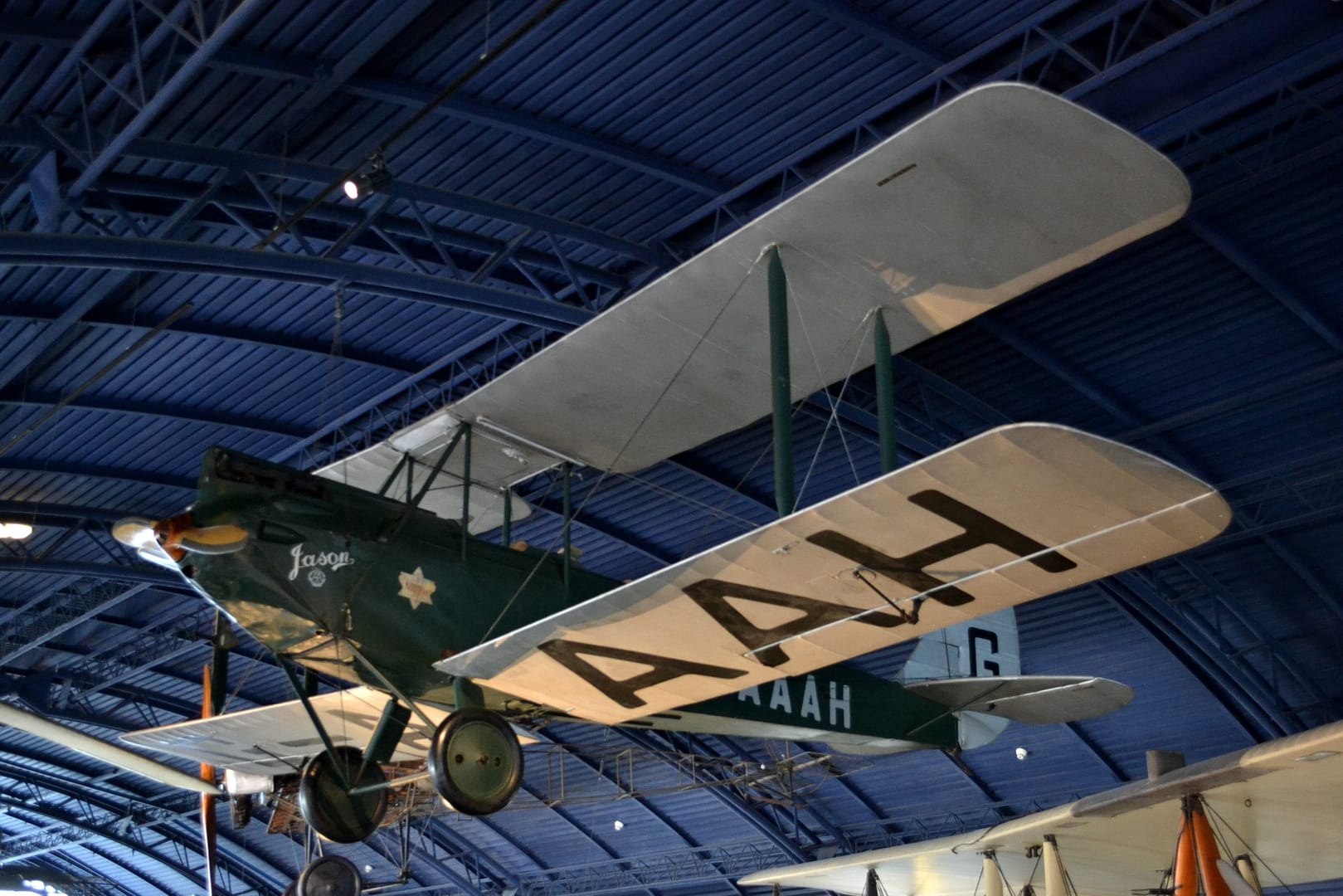
In May 1930 a 26-year-old typist’s daughter from Hull climbed into a second-hand biplane she had named Jason, pointed it toward the far side of the planet, and set out to fly alone to Australia. Amy Johnson had held a pilot’s licence for less than a year and had never flown more than a couple of hundred miles from home. Nineteen and a half days later she landed at Darwin, the first woman ever to fly solo from England to Australia — and one of the most famous people in the world.
It was an astonishing act of nerve. The route ran roughly 11,000 miles across Europe, the deserts of the Middle East, the monsoon of the Indian subcontinent, and the jungles and seas of the East Indies, in an open-cockpit Gipsy Moth with a top speed barely above 100 mph and almost no instruments to speak of.
Quick Facts: Amy Johnson’s Solo Flight
- Pilota: Amy Johnson (1903–1941)
- Aeromobili: de Havilland DH.60 Gipsy Moth, G-AAAH, named Jason
- Itinerario: Croydon, England to Darwin, Australia — about 11,000 miles
- Date: Departed 5 May 1930; landed 24 May 1930 (19½ days)
- Primo: First woman to fly solo from England to Australia
- Later: Set further records; died in WWII service with the Air Transport Auxiliary, 1941
From typist to aviator
Amy Johnson was not born into flying. She worked as a secretary in London and only discovered aviation in her mid-twenties, taking lessons at the London Aeroplane Club. She threw herself at it completely — not only earning her pilot’s licence but also becoming the first British woman to qualify as a ground engineer, learning to strip and rebuild an engine with her own hands. That mechanical knowledge would keep her alive over the deserts and jungles ahead.
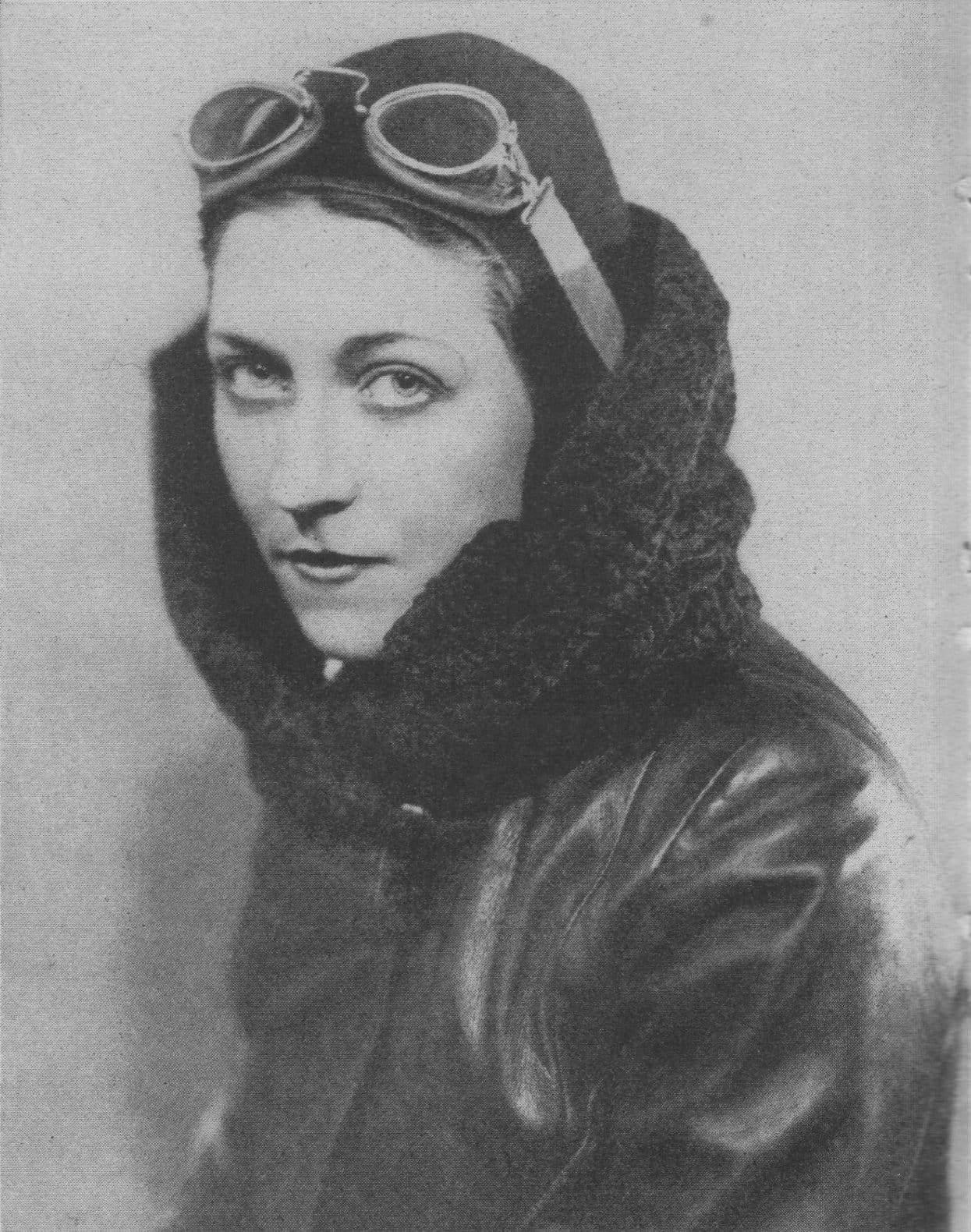
Her ambition outran her experience, and she knew it. She later reflected on what drove her — a restlessness that, in the Britain of the 1920s, had few outlets for a woman.
“Had I been a man I might have explored the Poles or climbed Mount Everest, but as it was my spirit found outlet in the air.”
Amy Johnson — Aviator, on her love of flying
Nineteen and a half days
The Gipsy Moth was bought with help from her father and the oilman Lord Wakefield, and christened Jason after the trademark of her father’s fish business. Johnson set off from Croydon on 5 May 1930. She very nearly broke the men’s record on the early legs, reaching Karachi ahead of schedule, before the sheer grind of the journey — sandstorms, forced landings, a monsoon, repairs made by the roadside — slowed her down.
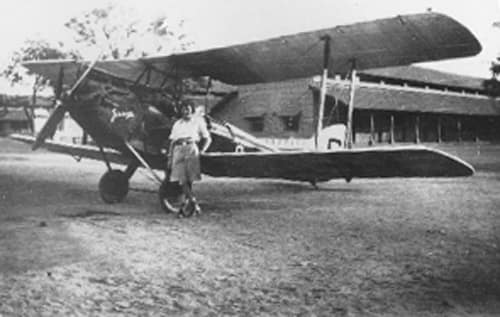
The Science Museum, which preserves Jason, tells the story of Amy Johnson’s epic solo flight.
She did not beat the overall solo record set by Bert Hinkler two years earlier, but that hardly mattered. No woman had done anything like it. When she reached Darwin on 24 May, the news flashed around the globe. Australia gave her a rapturous welcome; back home the Daily Mail awarded her £10,000 and the public sang songs written in her honour.
Original 1930s newsreel footage of Amy Johnson and the reception that met her.
The records — and the mystery
Johnson kept flying and kept breaking records: England to Japan, a solo England–Cape Town run that beat her husband Jim Mollison’s time, and long-distance flights flown as a couple. She had become, in the phrase of the age, the “Queen of the Air.” Her belief in aviation’s future was unshakeable.
“Progress in aviation, as in every sphere, is due to the people who believe nothing to be impossible.”
Amy Johnson — Speech, 1936
When war came, Johnson joined the Air Transport Auxiliary, the civilian organisation that ferried military aircraft between factories and airfields. On 5 January 1941, flying an Airspeed Oxford in poor weather, she went down in the Thames Estuary. Her body was never recovered, and the exact circumstances of her death remain debated to this day. She was 37.
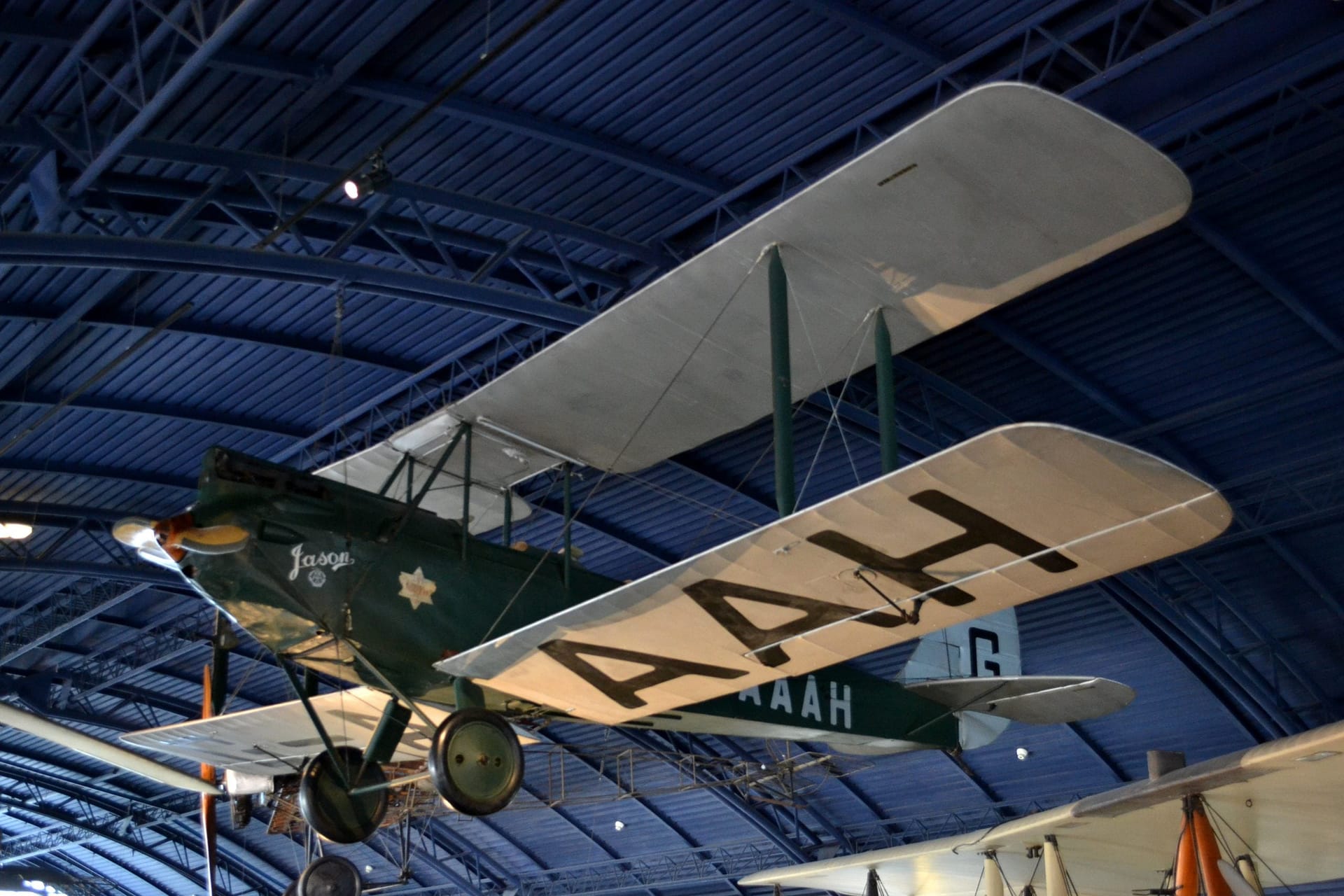
A modern retelling of Amy Johnson’s achievements and the golden age of the Gipsy Moth.
Sources: Science Museum, London; This Day in Aviation; Historic England; National Film and Sound Archive of Australia. This article touches on a fatal wartime accident and is presented as aviation history.
0 Commenti